



Decoding 'N' in Pump Calculations: Its Role and Significance
N is a crucial letter in pump. It’s the number that helps calculate the volume of a liquid in a container, and it can be used with any number of units. In this article, we’ll teach you how to use N to solve problems related to pumps, reservoirs, and fluid flow.
One of the most common questions that people have about pumps is what the “N” in “Pump N” stands for. The answer is nitrogen. Nitrogen is an essential part of a pump’s performance and helps to keep everything running smoothly. Nitrogen is also used in the manufacture of other components, such as valves, seals and bearings.
How does N in pump work?
N in pump is a new type of pump that uses a moving magnet to create a flow of liquid. This technology is useful for transferring liquids and gas between two containers without the use of a traditional pump.
The moving magnet creates a flow of liquid due to the Lorentz force. This force is responsible for the acceleration of charged particles in an electric field.
The moving magnet also creates a flow of liquid due to the principle of Bernoulli. This force is responsible for the increase in pressure and flow of fluid when a pipe is narrower than the speed of sound.
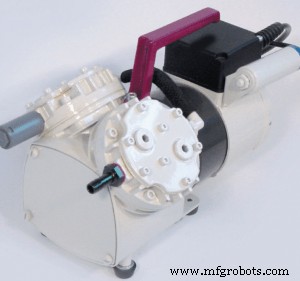
What is N in pump
Benefits of using N in pump
There are many benefits of using N in pump, including reducing wear and tear on pumps, extending pump life, and helping to prevent clogging. By using N in your pump, you can reduce the amount of work that needs to be done by the pump, which can lead to longer pump life. Additionally, using N can help to prevent clogging, as it forms a barrier against particles and debris that may be present in the system.
N can also be used in pumps to help improve the efficiency of the system. By increasing the flow rate of the pump, N can help to increase the amount of fluid that can be transported through the system in a given amount of time. This can lead to increased production and reduced costs, as well as greater overall system efficiency.
Finally, N can also be used in pumps to help improve the reliability of the system. By increasing the overall strength of the pump, N can help to ensure that the pump will continue to operate in even the most challenging conditions. This can lead to increased production and reduced costs, as well as greater overall system reliability.
Drawbacks of using N in pump
There are several drawbacks to using N in pump systems. First, N is not resistant to oxidation and can form harmful nitrosamines when subjected to contact with air and other chemicals. Second, N is not very soluble in water, so it can cause clogging and corrosion if it accumulates in the system. Finally, N has a low thermal conductivity, so it can heat up quickly and cause system failure.
All of these drawbacks can lead to system failures and should be considered when selecting a N-based pump system.
How does the N in pump use oxygen?
The N in pump uses oxygen to create energy. When the N in pump is turned on, it starts to break down the glucose molecules in the blood stream. This process creates energy which is used to pump blood throughout the body.
There are a few things that can go wrong with the N in pump. If the N in pump isn’t turned on or the oxygen supply is low, it won’t be able to create energy and the blood won’t be able to flow properly.
If the N in pump isn’t working properly, it can cause problems with the blood sugar levels.
What are the benefits of N in pump therapy?
N is an abbreviation for nitrogen, which is a common and essential element in all living cells. Nitrogen is involved in many biochemical processes, including protein synthesis and energy production. In pump therapy, nitrogen is used as an energy source to help the body regenerate tissues and muscles.
Some of the benefits of using nitrogen in pump therapy include:
* Increased muscle size and strength
* Improved joint health and mobility
* Increased endurance\/strength training capabilities
* Reduced fat storage
* Increased blood flow
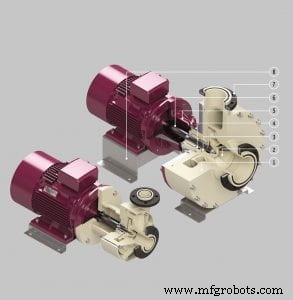
What is N in pump
How much does a N in pump cost?
A N in pump costs anywhere from $250 to $2,000. The price depends on the brand, type of pump, and features. The most basic pumps cost less, while more expensive models have features like Bluetooth technology that allow you to monitor your pump remotely.
N in pumps are a good option if you want to breastfeed but don’t want to invest in multiple pumps. They’re also a good choice if you’re planning to exclusively breastfeed. Some pumps can be used to pump milk for your baby as well.
Where can I find a N in pump?
If you’re looking for a N in pump, you’re in luck. There are a number of places you can find one, including online and in stores. You can also find N in pumps at a variety of locations, such as pharmacies and fitness centers.
Be sure to check the product label to make sure you’re getting a genuine N in pump. You may also want to ask a pharmacist for advice on where to find the best N in pumps.
If you can’t find a N in pump at your local store or pharmacy, you can order one online.
Conclusion
If you’re looking for a comfortable and effective pump, then make sure to check out N in pump. N in pump is designed with your comfort and health as its top priority, which is why it features silicone bands that are flexible yet strong. Plus, the pumps come in a variety of sizes so that they can be customized to fit any body type. Whether you’re looking for an everyday pumping solution or something more specialized, N in pump has you covered.
What is N in pump?
N is a crucial letter in pump. It’s the number that helps calculate the volume of a liquid in a container, and it can be used with any number of units. In this article, we’ll teach you how to use N to solve problems related to pumps, reservoirs, and fluid flow.
One of the most common questions that people have about pumps is what the “N” in “Pump N” stands for. The answer is nitrogen. Nitrogen is an essential part of a pump’s performance and helps to keep everything running smoothly. Nitrogen is also used in the manufacture of other components, such as valves, seals and bearings.
How does N in pump work?
N in pump is a new type of pump that uses a moving magnet to create a flow of liquid. This technology is useful for transferring liquids and gas between two containers without the use of a traditional pump.
The moving magnet creates a flow of liquid due to the Lorentz force. This force is responsible for the acceleration of charged particles in an electric field.
Benefits of using N in pump
There are many benefits of using N in pump, including reducing wear.
What is N in pump, please click topkitparts see more
Industrial equipment
- Understanding Jockey Pumps: Essential Pressure Maintenance for Fire Sprinkler Systems
- Turbine Pumps Explained: Design, Operation, and Applications
- Understanding Hand Pumps: How They Work and Their Uses
- Understanding Discharge Pressure: Key to Pump Performance
- Understanding the Water Pump Pulley: Function, Importance, and Replacement Tips
- Understanding Multistage Pumps: Function, Uses, and Benefits
- Understanding Submersible Pumps: How They Work and Their Key Benefits
- Understanding Radial Hydraulic Pumps: Design, Applications, and Benefits
- What Is a 3-Stage Pump? A Comprehensive Guide
- Understanding 1-Stage Pumps: Design, Function, and Industrial Applications