



Understanding Radial Hydraulic Pumps: Design, Applications, and Benefits
Radial hydraulic pumps are particularly well-suited for high-pressure applications where power, reliability, and compactness are essential. In this article, we’ll explore the different types of radial hydraulic pumps and their benefits.
Different types of radial pumps
A radial hydraulic pump is a type of pump that uses a rotating rotor to move fluid. This type of pump is used to move fluids in a circular or elliptical pattern. radial pumps are efficient because they use less energy than other types of pumps and they are quiet, which makes them good for use in sensitive applications.
A centrifugal pump is a type of pump that uses a spinning impeller to move fluid. This type of pump is used to move fluids in a radial or axial pattern. centrifugal pumps are more efficient than radial pumps but they are less efficient than rotary pumps.
How radial hydraulic pumps work
A radial hydraulic pump is a type of hydraulic pump that is based on the principle of radial flow. This means that the fluid flows along the central axis of the pump, rather than being forced through a circulatory system. This type of pump is often used in applications where high pressures are required, but where a relatively small amount of fluid can be transferred at any one time.
Radial hydraulic pumps work by using a cylinder filled with fluid. This cylinder is mounted on a rotating shaft, and is surrounded by a number of small pistons. When the pump is activated, these pistons will move backwards and forwards, forcing the fluid through the pump.
This type of pump is often suitable for applications where high pressures are required, but where a relatively small amount of fluid can be transferred at any one time. Additionally, radial hydraulic pumps are typically more efficient than other types of hydraulic pumps, thanks to their reliance on radial flow.
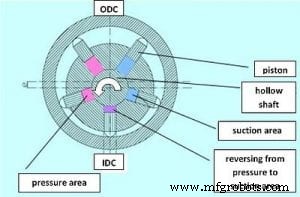
What is a radial hydraulic pump
A common problem with a radial hydraulic pump
Radial hydraulic pumps are among the most popular types of pumps because they are efficient and reliable. However, radial hydraulic pumps can be a problem if they are not properly maintained. Radial hydraulic pumps work by using a rotating shaft to generate pressure in a fluid stream. The pump is mounted on the shaft and uses a pair of pistons to move the fluid. When the pump is not working properly, it may not be able to create enough pressure to move the fluid. This can lead to problems with the system, such as leaks or failure of components.
If you notice that your radial hydraulic pump is not working correctly, there are several things that you can do to try and fix the problem. First, you should check to see if any fluids are leaking from the pump. If there is no leakage, then you may need to replace the pump assembly. If there is leakage, then you will need to fix the leak and then test the pump again. Additionally, you should check for worn or damaged parts on the pump assembly. If there are any worn or damaged parts, you will need to replace them before you can try to repair the pump. Finally, you should check for any mechanical problems with the pump assembly, such as
Radial hydraulic pump advantages and disadvantages
A radial hydraulic pump is a type of hydraulic pump that uses a rotating cylinder to generate motion. The advantage of a radial hydraulic pump is that it has a smaller size than other types of pumps, which makes it easier to install and maintain. Additionally, radial hydraulic pumps are less likely to fail than other types of pumps. However, radial hydraulic pumps are not as efficient as other types of pumps and may require more energy to operate.
Purpose of a Radial Hydraulic Pump
A radial hydraulic pump is a type of oil and gas well pump used to move fluids in horizontal or vertical wells. It is designed to be more efficient and faster than a standard plunger or rotary pump. Radial hydraulic pumps are also often used for water treatment, mining, and other industrial applications.
A radial hydraulic pump consists of a series of cylinders mounted on a rotating shaft. Each cylinder has a plunger that moves up and down in the liquid being pumped. This motion forces the liquid through the pump’s discharge pipe.
Radial hydraulic pumps are typically more efficient than standard plunger or rotary pumps because they can move more fluid per stroke. This makes them ideal for applications that require high amounts of fluid movement, such as water treatment or oil drilling. They are also faster than traditional pumps, which is beneficial in applications that need to move large volumes of fluid quickly.
Working of a Radial Hydraulic Pump
Radial hydraulic pumps are used in a variety of industries to move fluids and slurries. They work by using a piston to compress a fluid until the pressure inside the pump is too high for the fluid to escape. This excess pressure then drives a rotary paddlewheel that sucks up the fluid and delivers it to where it is needed.
There are a few things to keep in mind when using a radial hydraulic pump. First, make sure you have the correct size pump for the job. Second, be sure to keep an eye on the fluid level inside the pump. If it falls below a certain point, the pump will start to lose effectiveness and may even stop working altogether. Finally, be sure to clean the pump regularly to prevent build-up of debris or oil residue.
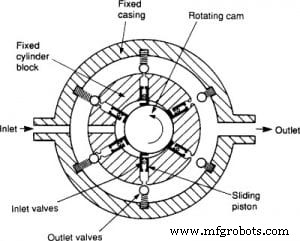
What is a radial hydraulic pump
Working of a Radial Hydraulic Pump Components and Features of a Radial Hydraulic Pump
A radial hydraulic pump is a type of hydraulic pump that uses a rotating cylinder to transfer hydraulic fluid from one reservoir to another. This type of pump is typically used in industrial settings to move large amounts of water, oil, or other fluid substances.
The basic components of a radial hydraulic pump are the rotating cylinder, the drive shaft, and the hydraulics. The rotating cylinder contains the pistons that move the fluid. The drive shaft connects the rotating cylinder to the hydraulic system. The hydraulics provide the power needed to move the fluid.
Radial hydraulic pumps are versatile tools that can be used in a variety of industrial settings. They are particularly well-suited for moving large quantities of fluid quickly and efficiently.
Conclusion
Radial hydraulic pumps are a type of pump used to move fluid or gas. They work by using a spiral casing and pumping action to move the fluid through the pump. radial hydraulic pumps are particularly useful for moving fluids in tight spaces, as they can generate less noise than other types of pumps.
What is a radial hydraulic pump, please clickhttps://topkitparts.com/ to learn more
Industrial equipment
- Understanding Cavitation in Hydraulic Pumps & Proven Prevention Techniques
- What Is a Case Drain in a Hydraulic Pump? Essential Function & Maintenance
- Understanding Two-Stage Hydraulic Pumps: Function and Applications
- Decoding 'N' in Pump Calculations: Its Role and Significance
- Rexorth A10CNO Hydraulic Pump: Design, Performance, and Industrial Applications
- Understanding Hydraulic Pump Cavitation: Causes and Prevention
- HS Code for Hydraulic Pump – Classification & Usage
- Understanding the Cost of Hydraulic Pumps: Key Factors & Price Breakdown
- Understanding Hydraulic Pump Whine: Causes & Solutions
- Understanding Hydraulic Gear Pumps: Definition, Principles, and Industrial Applications