



The Consequences of Running a Hydraulic Pump Dry: What You Need to Know
Hydraulic pumps are an essential part of any industrial or commercial setting, and for good reason. They can move a tremendous amount of fluid – whether it’s water, oil, gas, or anything else – at high speeds and with great accuracy. But what happens if you run a hydraulic pump dry?
What is a hydraulic pump?
A hydraulic pump is a machine that uses pressurized hydraulic fluid to move objects or perform work. The hydraulic fluid is usually water, but other fluids such as oil, natural gas, and propane are also used.
How does a hydraulic pump work?
When you press the pedal of a car’s gas pedal, the engine sends a signal to the transmission to send power to the drive shaft. The gearbox then sends power to the differential, which sends power to the axle. This power is then transmitted through the suspension and to the ground via the wheels. The same principle works in a hydraulic pump; when you press the pedal, water is forced into a pipe and drives an object or performs work.
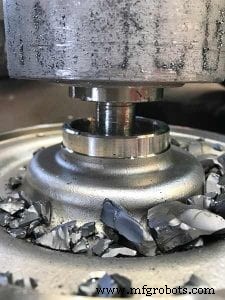
What happens if you run a hydraulic pump dry
How does a hydraulic pump work?
A hydraulic pump is a machine that uses the power of hydraulics to move fluids. A hydraulic pump consists of two parts: the motor and the pump. The motor turns the pump shaft, which in turn sucks fluid from a reservoir and pumps it into a pipe or other destination.
What Causes a Hydraulic Pump to Run Dry?
A hydraulic pump can run dry for a variety of reasons. The most common reason is a lack of lubrication. If the lubrication level falls below a certain point, the bearings can start to wear and the pump can stop working altogether. Other causes include obstruction in the hydraulic system or a clogged filter. If you notice that your hydraulic pump is not working as it should, don’t hesitate to call us at 888-606-9378 for help.
How Can I Prevent a Hydraulic Pump from Running Dry?
There is no one definitive answer to this question. However, ensuring that your hydraulic system is well-lubricated and free from obstructions is a good way to prevent your pump from running dry. Additionally, periodically checking the lubrication level and replacing any worn bearings could help keep your pump running smoothly. If you notice that your pump is not operating as it should, don’t hesitate to call us at 888-606-9378 for help.
How to Run a Hydraulic Pump Dry
If you run a hydraulic pump dry, you can damage the pump and the machine it’s powering. Here’s how to avoid this trouble:
1. Make sure the tubing is properly fitted to the pump.
2. Check the fluid level in the reservoir and add fresh fluid if necessary.
3. Turn off the power to the pump before draining any fluid.
4. Remove the hose from the pump and let it hang freely.
5. Place a weight on the end of the hose to force any remaining fluid out of the pump.
6. Try to start the pump by hand; if it starts, you’re good to go. If not, check all your connections and try again.
What can happen if you run a hydraulic pump dry?
Running a hydraulic pump dry can cause serious damage to the pump and system. If the pump is not properly cooled, the bearings can heat up to such an extent that they melt. This can create a serious safety hazard as the melted bearings could fall off the pump and cause major damage. Additionally, if water is not continuously flowing through the system to lubricate the bearings, they will start to wear out much faster.
If you are running a hydraulic pump dry, it is important to take steps to prevent damage. First, make sure the pump is properly cooled. Second, ensure that water is flowing through the system to keep the bearings lubricated. Finally, make sure you have a backup plan in case of emergencies.
Consequences of a Pump Running Dry
If you run a hydraulic pump dry, there are several potential consequences. First, the pump may fail and stop working. If this happens, you’ll need to replace the pump. Second, the pressure in the system may decrease, potentially causing breaks or leaks. Finally, if the system is not properly pressurized, it may cause damage to equipment or people.
If you notice that your pump is running dry, it’s important to address the situation as soon as possible. If the pump fails, it could lead to serious consequences.
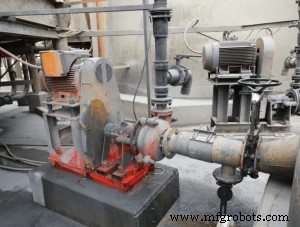
What happens if you run a hydraulic pump dry
How to prevent this from happening
If you have a hydraulic pump and it runs dry, you may be in for some problems. Not only will the pump not work, but also the machinery it’s connected to could be damaged. Here are some tips on how to prevent this from happening:
1. Make sure you have enough fluid in your pump. If you’re not sure, check the level using a gauge or an indicator. If the level is low, add fluid.
2. Don’t overfill your pump. Overfilling can cause the hydraulic pressure to become too high, which can damage your equipment. Try to fill the pump about three-quarters of the way full.
3.make sure your connections are tight. Loose connections can cause the hydraulic pressure to become too low, which can also damage your equipment. Check all of your connections for tightness and make any necessary repairs or adjustments.
How to prevent hydraulic pump failure
If your hydraulic pump runs dry, there are a few things you can do to prevent failure. First, make sure the pump is properly connected to the system. Second, make sure the system is operating at its rated pressures. Finally, keep an eye on the fluid levels and if they start to drop, stop the pump and check the connections.
Conclusion
If you’re running a hydraulic pump dry, there are potential safety hazards that you need to be aware of. By understanding what can happen if your hydraulic pump runs out of fluid, you can avoid any serious problems.
What happens if you run a hydraulic pump dry,please click topkitparts see more
Industrial equipment
- What Is a Case Drain in a Hydraulic Pump? Essential Function & Maintenance
- Understanding Radial Hydraulic Pumps: Design, Applications, and Benefits
- Running a Hydraulic Pump with an Electric Motor: How and Why It Works
- Understanding Two-Stage Hydraulic Pumps: Function and Applications
- How to Effectively Test a Hydraulic Pump for Optimal Performance
- Run a Hydraulic Pump Without Oil? Use a Water Pump for Safe, Emergency Operation
- Consequences of Purchasing Counterfeit Hydraulic Parts: Risks & Solutions
- Determining the Horsepower Needed to Run a Hydraulic Pump
- The Consequences of Running a Hydraulic Pump in Reverse: Risks and Prevention
- Understanding Hydraulic Gear Pumps: Definition, Principles, and Industrial Applications