



Why Low Hydraulic Oil Levels Compromise System Performance – What You Need to Know
Hydraulic oil is a fluid that helps keep hydraulic systems running smoothly. If it’s too low, the system can start to malfunction and may even stop working altogether. In this article, we’ll take a look at what happens when hydraulic oil is too low and how you can fix it.
What is hydraulic oil?
hydraulic oil is a type of oil that is used in hydraulic systems, such as pumps and valves. It is made up of a variety of different oils and solvents, and is used to lubricate the moving parts of the system. When hydraulic oil is low, it can cause problems with the system. If the oil is too low, it can cause the pumps to stop working or the valves to close too quickly. This can lead to damage to the system and can be dangerous if not corrected quickly.
Hydraulic oil is also a type of fuel. When the oil is used in a hydraulic system, it can create heat. If the oil temperature gets too high, it can cause damage to the system.
How does hydraulic oil work?
If hydraulic oil is too low, the engine will not be able to operate as efficiently. The oil will cause the pistons to move slowly and the engine will not be able to create the necessary power.
If hydraulic oil is too high, the engine will overheat and eventually fail. Too much oil can cause the pistons to move too quickly and create excessive heat. This can damage the engine, leading to a failure.
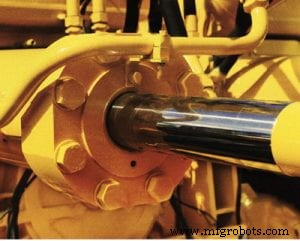
What happens if hydraulic oil is too low
What are the risks of low hydraulic oil levels?
If your hydraulic oil level is too low, there are a few things that can happen. First, your machine may not be able to move as much weight as it should, which could lead to poor results in the work you’re doing. Additionally, if the oil isn’t protecting your machine’s moving parts, they may start to wear down faster, which will ultimately lead to problems. Finally, if the oil gets too low and starts leaking, it can cause a lot of damage to both the machine and surrounding areas. So, make sure to regularly check your hydraulic oil level and adjust as needed if it falls below the recommended levels.
If you have any further questions about low hydraulic oil levels, please feel free to contact your local Massey Ferguson dealer.
How can you detect low hydraulic oil levels?
If you are experiencing a problem with your hydraulic oil, the first thing you should do is check the pressure gauge to see if it is indicating an abnormally low pressure. If so, there are a few things you can do to determine the cause and/or fix the issue.
The first step is to measure the oil level in the reservoir. This can be done by removing the cover and looking at the level of oil in the reservoir. Make sure that all of the nozzles are open and that there is enough oil flowing through them to reach the gauge.
Next, you should check your engine’s oil level. This can be done by removing the dipstick (if your vehicle has one) and looking for an “O” ring above where the oil enters the engine. The level should be indicated on a sticker or label on top of the engine. If it is low, you will need to add oil before continuing.
If neither of these methods work, then you may have a problem with your hydraulic system. In this case, you will need to take your vehicle into a mechanic for diagnosis.
How much hydraulic oil should be in the system?
In order to maintain optimal performance and safety of your hydraulic system, the proper amount of hydraulic oil should be present. Too little oil can result in a reduced operating pressure, decreased lifespan of parts, and decreased speed and efficiency. Conversely, too much oil can cause sludge buildup and wear on components.
To determine the correct amount of oil to use in your system, first make sure that the system has been properly serviced. Inspect all hoses, couplings, valves, and tubing for any signs of wear or damage. Next, measure the hydraulic system’s operating pressure using a pressure meter. The recommended operating pressure is 10-12 PSI (pounds per square inch). Anything below this range may require adding more oil to the system; anything above this range may not require adding oil at all. Finally, adjust the amount of oil in the system as needed by adding or removing fluid until the desired operating pressure is reached.
How can you tell if your hydraulic system needs replenishing?
If your hydraulic oil level is low, you may notice one or more of the following: reduced engine power; increased noise levels; decreased operating range; reduced operational time. It’s important to replenish your hydraulic system as soon as possible to avoid any negative effects.

What happens if hydraulic oil is too low
What actions should you take if you detect low hydraulic oil levels?
If you detect that the hydraulic oil level is low, your first step should be to check the oil level sender unit. If the oil level sender unit is showing a low oil level, then it is likely that the hydraulic oil supply has been compromised.
If the oil level sender unit is showing a low oil level, then you should also check to see if the hydraulic actuator is working properly by pressing and releasing the actuator rod. If the actuator rod moves freely, then it likely means that the hydraulic system is operational. However, if the actuator rod does not move freely or there are indications of damage to the actuator, then you may need to replace the hydraulic system.
Conclusion
If hydraulic oil is too low, it can cause damage to the pump and motor. This can lead to premature failure of the system, and may even necessitate repairs or replacements. If you are having problems with your hydraulic oil level, be sure to check it regularly and adjust as needed.
Hydraulic oil is a fluid that helps keep hydraulic systems running smoothly. If it’s too low, the system can start to malfunction and may even stop working altogether. In this article, we’ll take a look at what happens when hydraulic oil is too low and how you can fix it.
Hydraulic oil is also a type of fuel. When the oil is used in a hydraulic system, it can create heat. If the oil temperature gets too high, it can cause damage to the system.
If you have any further questions about low hydraulic oil levels, please feel free to contact your local Massey Ferguson dealer.
What happens if hydraulic oil is too low, please clickhttps://topkitparts.com/ to learn more
Industrial equipment
- Hydraulic Seals Explained: Types, Materials, and Their Role in Industrial Cylinders
- Key Factors Influencing Oil Performance in Hydraulic Systems
- Splash Lubrication Explained: How It Keeps Small Engines Running Smoothly
- Hydraulic Lime Explained: Uses, Benefits & Applications
- Hydraulic Hoists Explained: How They Lift Heavy Loads with Precision
- Road Oil Explained: Benefits, Uses, and Safe Application
- Understanding Oil Derricks: Key Features & Functions
- The Consequences of Running a Hydraulic Pump Dry: What You Need to Know
- Consequences of Purchasing Counterfeit Hydraulic Parts: Risks & Solutions
- The Consequences of Running a Hydraulic Pump in Reverse: Risks and Prevention