



Understanding Oil Derricks: Key Features & Functions
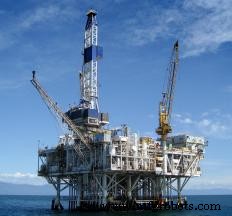
An oil derrick is a drilling rig designed for use in oil and natural gas production. The basic version has an upright stationary section which is potentially capable of supporting hundreds of tons of weight, combined with a movable boom which is used to raise and lower equipment. Derricks of various designs have been in use for centuries to extract valuable resources from under the Earth, and continue to be widely used today.
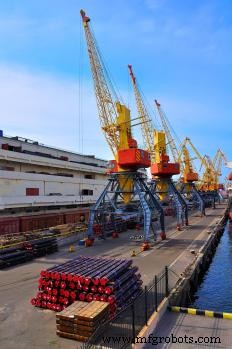
The term derrick comes from Thomas Derrick, a hangman who invented a type of gallows using a movable beam and pulley system during the Elizabethan era. During his lifetime, Derrick executed over 3,000 people, many of them with his modified gallows device, and the supporting framework for his gallows came to be known as a derrick. The term was adopted to describe cranes and other lifting devices which used a similar support mechanism.
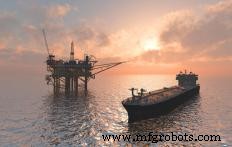
Early derricks consisted of a framework which was designed to hold a large pole used for percussive drilling, which is accomplished by repeatedly beating the earth to make a hole. A modern oil derrick typically uses a drill bit which is capable of biting through the substrate, and cooled with a constant slurry of mud to prevent it from getting too hot. Typically, as the drill bit sinks in, the hole is lined to prevent a cave in. Once the drill reaches the oil, it is withdrawn so that pumps and pipes can be inserted into the hole to extract it.
In an area rich in oil, an oil derrick is designed to be a permanent structure, and will continue to operate for many years. Portable oil derricks are also used in less resource rich areas, or to make preliminary explorations in areas of potential interest. In general, a portable derrick is not capable of handling as much weight as a permanent one, which can be anchored to the ground and built with heavy weight equipment since it does not have to be moved.
The basic oil derrick design is familiar to residents of areas rich in oil, and is also used on offshore oil drilling platforms which extract water from under the ocean. A large derrick requires an extensive crew to run properly, and is often located in a field of similar derricks, all of which operate on a constant basis. The oil derrick crew typically includes geologists, engineers, mechanics, and safety inspectors to ensure that the workplace is well maintained.
Industrial equipment
- Understanding the Oxygen (O2) Sensor: Role, Placement, and Failure Signs
- Why Metal Shavings in Engine Oil Occur – Causes, Symptoms, and Prevention
- Key Factors Influencing Oil Performance in Hydraulic Systems
- Derrick Cranes Explained: How They Work & Where They're Used
- Splash Lubrication Explained: How It Keeps Small Engines Running Smoothly
- Road Oil Explained: Benefits, Uses, and Safe Application
- Understanding Oil Derricks: Key Features & Functions
- Understanding Oil Country Lathes: Design, Function, and Industrial Use
- Why Low Hydraulic Oil Levels Compromise System Performance – What You Need to Know
- Decoding 'N' in Pump Calculations: Its Role and Significance