



What Is a Punch Tool? A Woodworker’s Essential Guide
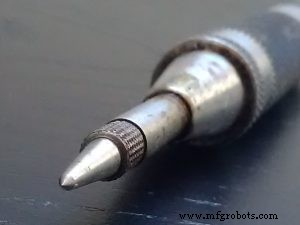
Punch tools are a fundamental component of many woodworking tasks. Unlike the larger punch presses used in metalworking, a punch tool is a small, precision metal rod employed to cut, shape, or prepare wood for further work. They are often paired with hammers, mallets, or chisels to create clean cuts, remove material, or set accurate drill points.
Punch Tools Explained
A typical punch tool consists of a narrow metal rod with a sharp, beveled tip on one end and a blunt, rounded end on the other. The worker positions the sharp tip against the workpiece and then strikes the blunt end with a hammer or mallet. The impact forces the sharp tip into the wood, producing a clean, precise cut or indentation. This basic principle underlies all punch tool varieties.
Hollow vs. Solid Punch Tools
Punch tools are classified as either hollow or solid based on their internal construction. Hollow punches feature a cavity and are ideal for creating starter holes or perforations. Solid punches, being fully dense, are better suited for removing material, driving pins or rivets, and setting accurate centers for drilling.
Center Punch Tools and Their Role in Drilling
A center punch is a specialized punch that produces a shallow, V‑shaped indentation. This mark guides a drill bit, preventing it from wandering and ensuring the hole is drilled straight. Without a center punch, a drill bit can slip, especially on smooth surfaces.
There is also a variant known as the prick punch, which features a sharper, narrower tip that creates a deeper, more pronounced indentation. Both types are essential for preparing precise drill points on a wide range of materials.
Applications Across Woodworking Projects
From framing and cabinetmaking to fine joinery, punch tools play a critical role. They allow craftsmen to quickly and accurately set drill points, shape edges, and remove material with minimal effort. Their versatility and reliability make them a staple in any well-equipped workshop.
Choosing the Right Punch Tool
When selecting a punch tool, consider the material and the task. For softwoods and light drilling, a hollow punch with a moderate tip angle works well. For harder woods or heavier tasks, a solid punch with a thicker tip provides the necessary strength and durability. Always pair the punch with an appropriate hammer or mallet for optimal performance.
Conclusion
Mastering punch tools—whether hollow, solid, or center—enhances precision and efficiency in woodworking. By understanding their design and applications, craftsmen can achieve cleaner cuts, better drill alignment, and ultimately higher-quality finished products.
Industrial equipment
- Notching in Metalworking: Precision Cutting with Punch Presses
- Understanding Tool Posts: Types, Functions, and Applications on Lathes
- Pneumatic Hammers: Powerful Air-Driven Tools for Concrete, Asphalt, and Tile Work
- Understanding Allen Wrenches: Types, Uses, and How to Choose the Right One
- Crowbars Explained: Design, Uses, and History
- CNC Punching Explained: How Computer‑Controlled Machines Shape Sheet Metal
- Proven Strategies to Extend Tool Punch Life and Minimize Downtime
- Preventing J‑Hook Punch Deformity: Causes, Symptoms, and Solutions
- Lathes Explained: From Ancient Egypt to Modern Manufacturing
- Punch Sets Demystified: A Comprehensive Guide