



Friction Drilling Explained: Heat‑Generated Cutting for Faster, Cleaner Holes
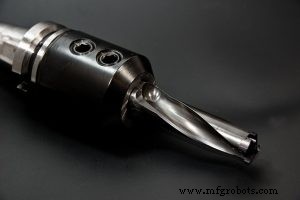
Traditional drilling relies on cutting tools that rotate and physically shear material out of a workpiece. Friction drilling, by contrast, leverages heat generated from friction to soften and remove material, resulting in a cleaner, faster process.
What Is Friction Drilling?
Friction drilling, often called thermal friction drilling, uses a specially designed conical bit made of heat‑tolerant cemented carbide. As the bit rotates under axial pressure, the friction between the bit and the material produces localized heat, melting the substrate and allowing the bit to advance with minimal resistance.
How It Works
The process begins by aligning the conical bit with the intended hole. When the tool starts rotating, the generated heat softens the material in the bit’s path. The axial force drives the bit deeper, and the softened material is expelled through the flutes of the bit, leaving a clean hole with little to no swarf.
Historical Roots
Friction drilling was first conceived in the early 1920s by French engineer Jean‑Claude de Valière. His pioneering research into friction‑based cutting laid the groundwork for the modern tools we use today, even though his initial prototypes were not yet efficient.
Key Advantages
- Minimal Swarf – Heat melts the material, reducing debris and simplifying cleanup.
- Speed – Typical drilling times are only 3–4 seconds for many materials.
- Surface Finish – The process often yields a smoother hole rim with reduced burrs.
- Tool Life – The conical carbide bit experiences less wear compared to conventional cutters.
Because friction drilling produces less heat‑related distortion and can operate on a variety of metals, it is increasingly favored in aerospace, automotive, and precision manufacturing.
Industrial equipment
- Friction Drilling Explained: Heat‑Generated Cutting for Faster, Cleaner Holes
- Understanding the Oxygen (O2) Sensor: Role, Placement, and Failure Signs
- Understanding Drilling Machines: Definition, Components & Types
- Friction Welding Explained: Process, Benefits, and Applications
- Mastering Railroad Friction: Key Strategies for Optimal Vehicle Performance
- Sintered Friction Material: Definition, Benefits, and Industrial Applications
- Brake Shoes Explained: Their Role in Industrial Safety
- Precision CNC Drilling: Techniques & Tools for Accurate Hole Making
- Auger Drilling Explained: Techniques, Applications, and Benefits
- Decoding 'N' in Pump Calculations: Its Role and Significance