



Precision CNC Drilling: Techniques & Tools for Accurate Hole Making
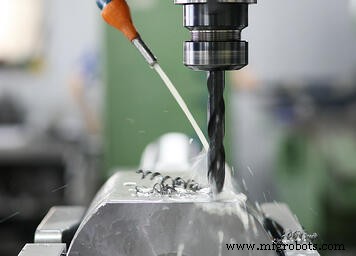
Drilling is one of the most common techniques used in manufacturing to create holes. In contrast to other hole-making methods like boring, reaming and tapping, drilling is most often used to create holes in unbroken surfaces. In precision CNC machining, drilling can range in scope from simple, rough hole drilling to complex, multi-feature hole drilling.
Tools used for drilling
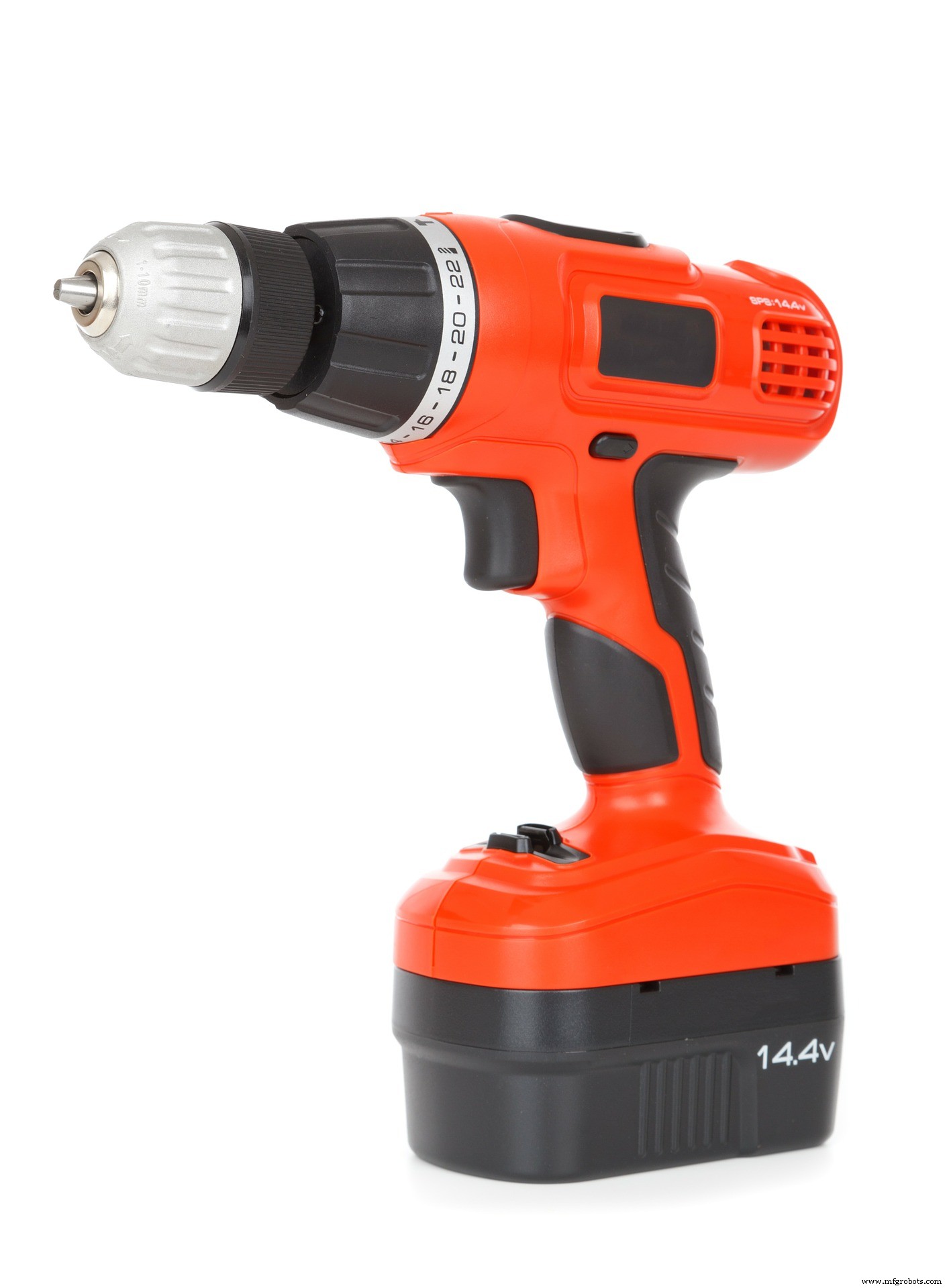 Many households have a common hand drill, used to make holes in walls or wooden surfaces. While this tool is easy to use and highly portable, it's not ideal for making accurate, repeatable holes in metal surfaces. A step in the right direction is the drill press. Also a common feature of woodshops, the drill press features a table that holds the workpiece steady, and a head that raises or lowers and holds a spinning drill bit.
CNC drilling machines can add various levels of complexity to the basic configuration of a drill press, but most function under the same principles. The following components make up nearly every CNC drilling machine:
- Head: responsible for holding the spindle and tool, and raising and lowering as the drill bit forms the hole.
- Spindle: the spinning shaft connecting the chuck and the head.
- Chuck: the component that grips the drill bit as it spins.
- Platform: while sometimes replaced with another component–in horizontal drilling machines, for example–the platform is responsible for holding the workpiece steady as the drill creates holes.
- Drill bit: finally, the actual tool doing the cutting is the drill bit. This component can come in a wide variety of shapes according to the size, texture and other characteristics of the hole being drilled.
The actual drill bit can make a big difference in the complexity of holes drilled. For example, stepped holes, or holes with multiple diameters, can be made in two ways. Using simple drill bits, an operator can start with a larger drill bit and drill to the desired depth for that diameter, then use a smaller drill bit and drill a smaller-diameter hole deeper into the workpiece. Another way to drill a stepped hole is to use a stepped drill bit, with built-in cutting surfaces corresponding to multiple diameters. Similarly complex drill bits can also be used to create a chamfer, or an angled surface, at the top of the hole.
When Drilling is Used in CNC Machining
CNC machining facilities have a number of choices when it comes to making holes in workpieces, including boring, counter sinking, tapping and reaming. Drilling is used in specific situations: when it is either the best process for the job, or the most economical. Because simpler, less expensive tools can be used for drilling, the process is often employed during roughing stages. That is, an initial hole is created through drilling, and that hole will be adjusted to closer tolerances later with a different process.
Drilling is also ideal for deep holes. According to Eric Fazakerley, Process Engineer at Eagle CNC, deep holes are becoming more common as customers require these characteristics to support advanced mechanical operations. "When I first started, everything with drilling was just 3-5 times the diameter of the hole deep," says Fazakerley. "We didn't carry anything longer. Now we regularly drill holes up to 30 times their diameters in depth."
CNC Drilling Processes
The process of drilling doesn't always involve a spinning drill bit and a machine head that moves up and down along the hole's axis. For certain types of materials and certain dimensions of holes, the basic drilling process must be modified.
- Spot drilling: drilling shallow holes to hold longer drilling or boring tools in place during future drilling operations.
- Peck drilling: repeatedly plunging a drill bit into a hole and removing it along with metal ribbons, called swarf, created during the drilling process. Often used in relatively deep holes, where accumulation of swarf is more challenging.
- Orbital drilling: some drill bits are designed for orbital drilling, where the hole created is larger in diameter than the bit. To create a hole using this method, the drill bit "orbits" around the center of the hole. This process is similar to boring.
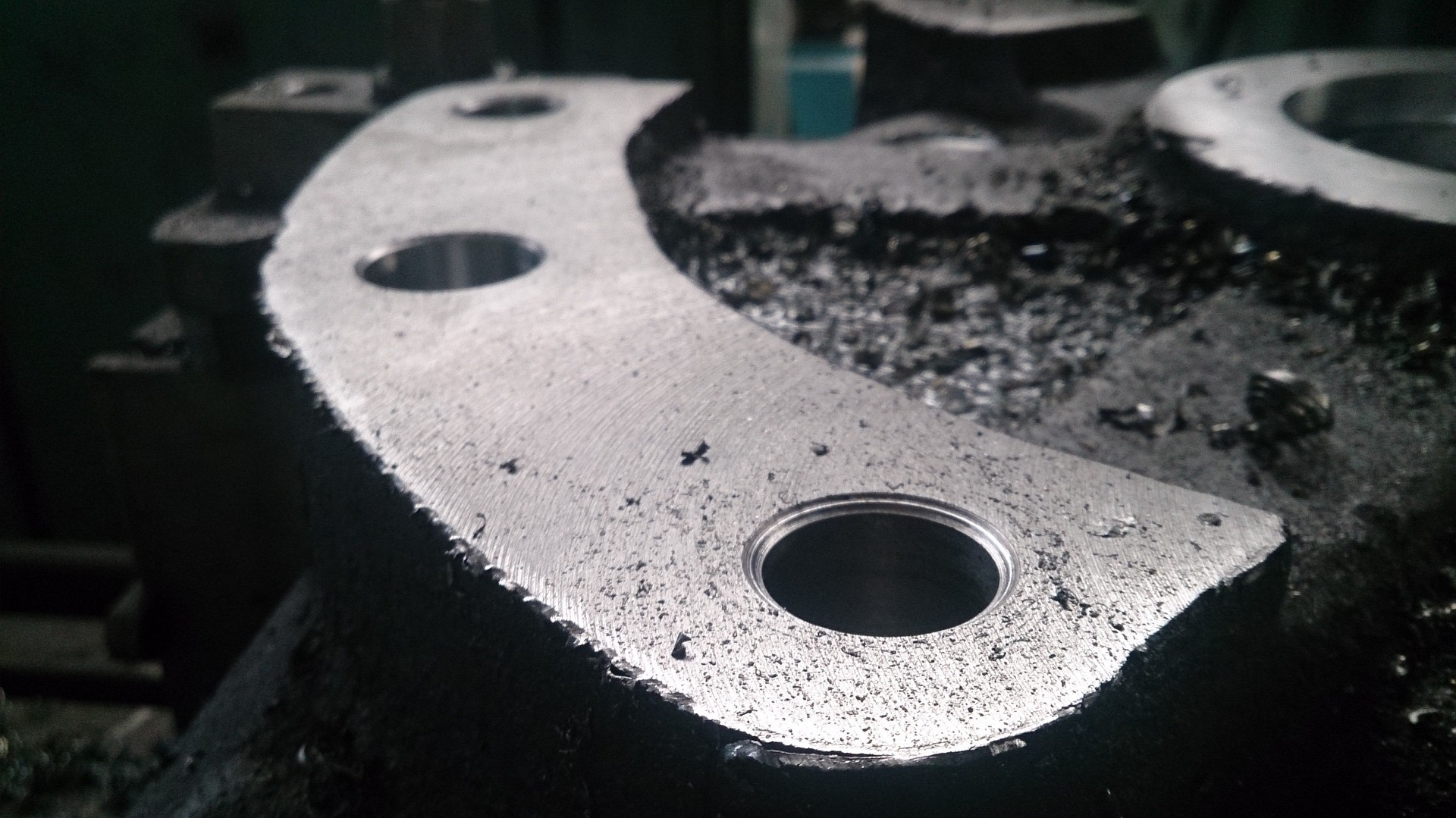
The image below shows a stepped hole. As described above, this hole has been drilled to feature varying diameters.
More from our series "What Precision Machine Shops Do"
- Introduction
- Milling
- Turning
- Boring
- Drilling
- Sawing
- Broaching
Learn more about CNC equipment and techniques from our free ebook, the CNC Machining Process Guide
Manufacturing process
- Precision Machine Shops: Mastering Grinding for Superior Metal Finishing
- Precision Broaching Services: Enhancing Accuracy in Machine Shops
- Precision Machine Shop Sawing: Advanced Cutting Techniques for Quality Results
- Milling Mastery: How Precision Machine Shops Craft Complex Parts
- Turning: The Core Process of Precision Machine Shops
- Precision Machine Shops: Mastering the Art of Broaching
- Precision Machine Shops: Expert Sawing for Modern Materials
- Precision Boring: Delivering Accurate, Repeatable Hole Finishing
- Precision Machine Shops: Expert Drilling for High-Quality Manufacturing
- Milling: How Precision Machine Shops Transform Metal into Complex Parts