



Milling Mastery: How Precision Machine Shops Craft Complex Parts
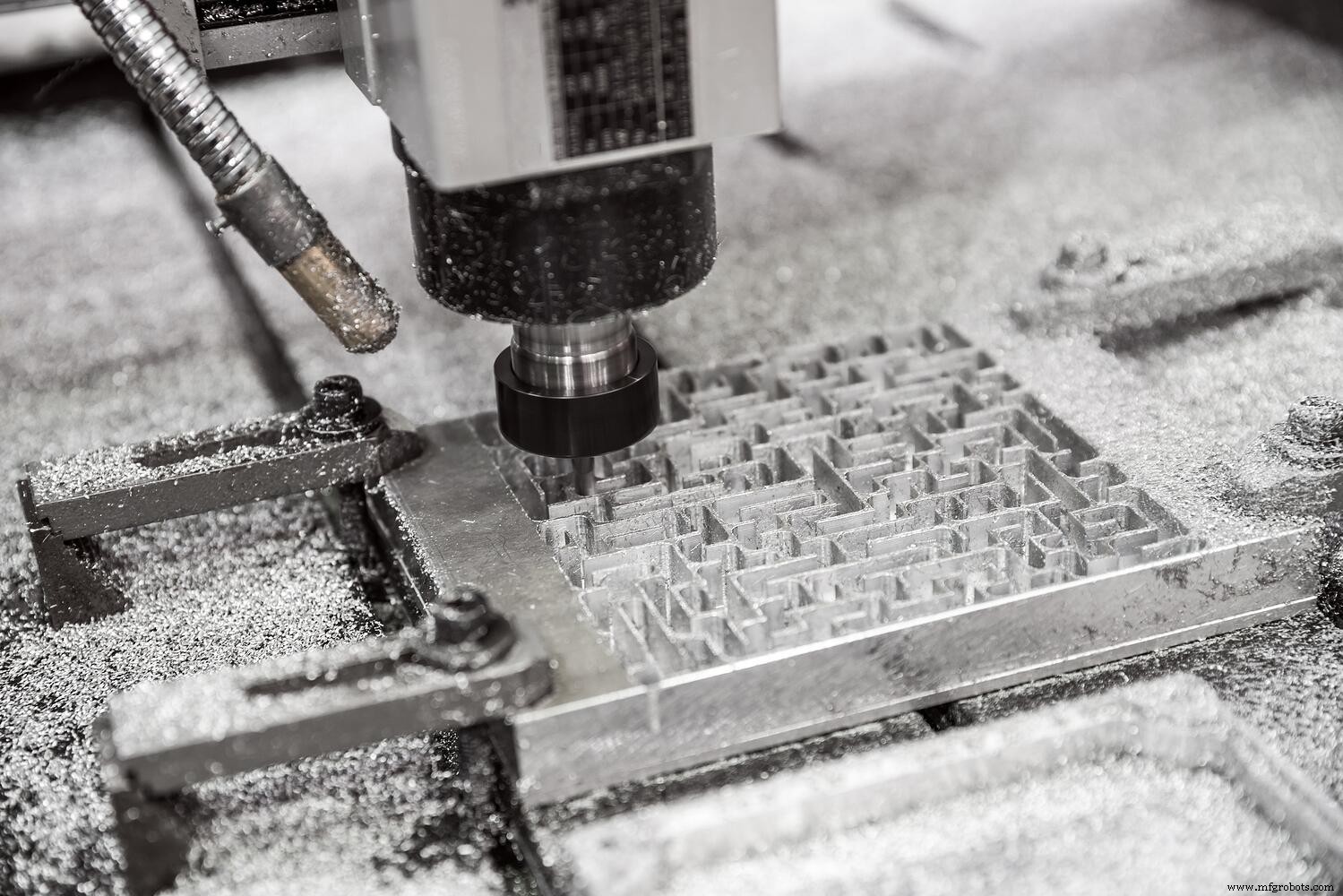
Milling is one of the most common processes in CNC machining, most likely because it is so versatile. Using a single tool, machine shops can create nearly limitless shapes on the surface of a workpiece. Milling can completely transform a piece of metal stock into a finished part of nearly any complexity.
The milling process in CNC machining consists of removing material with a rotating cutting tool. Unlike turning, the workpiece does not need to rotate in milling operations. In some cases, the workpiece will move linearly against a cutting tool; in other cases, the workpiece will remain stationary while the cutting tool moves.
Different Types of Milling
CNC Milling can be divided into several subtypes, based on the characteristic being milled, the specific tool being used, and the motion of the cutting tool along the surface of the workpiece. Milling subtypes include:
- Face Milling
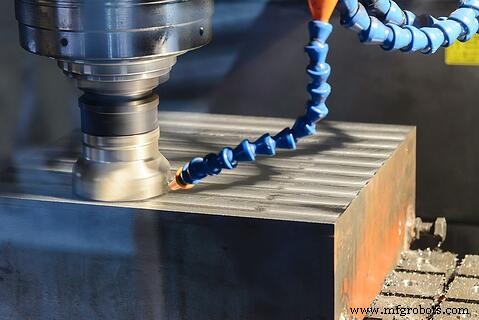
One of the most common milling operations, face milling involves a cutting tool with a rotational axis perpendicular to the surface of the workpiece. Face milling is often performed to create a precisely flat surface, or precisely shaped, shallow grooves. - Shoulder milling
In shoulder milling, a spinning cutting tool travels along the edge of a workpiece, leaving an L-shaped "shoulder" of specific width. Often, shoulder milling is carried out to achieve a 90-degree angle between two outward-facing surfaces. - Profile milling
When a spinning cutting tool cuts a path along a vertical or slanted surface, the process is called profile milling. Profile milling can be performed in a variety of ways, using a cutting tool that spins around an axis either perpendicular or parallel to the workpiece surface. Profile milling often involves movement around adjacent, non-planar surfaces. - Slot milling
Slot milling forms a channel in the workpiece, often through the use of a disc-shaped cutting tool. However, slot milling can also be performed with a cutting tool that rotates along an axis perpendicular to the workpiece. - Chamfer milling
Chamfer milling is performed with a certain cutting tool called a chamfer, in which the parts of the tool that engage the workpiece are positioned at an angle. The result is an angled surface, often replacing a 90-degree edge or surrounding a hole. - Thread milling
One way to machine threads into a hole, or onto the outside of a surface, is thread milling. An alternative to tapping, thread milling uses a cutting tool that spins and moves along the surface being threaded. As opposed to tapping, thread milling can create threads on surfaces with a variety of diameters.
What tools are used for milling?
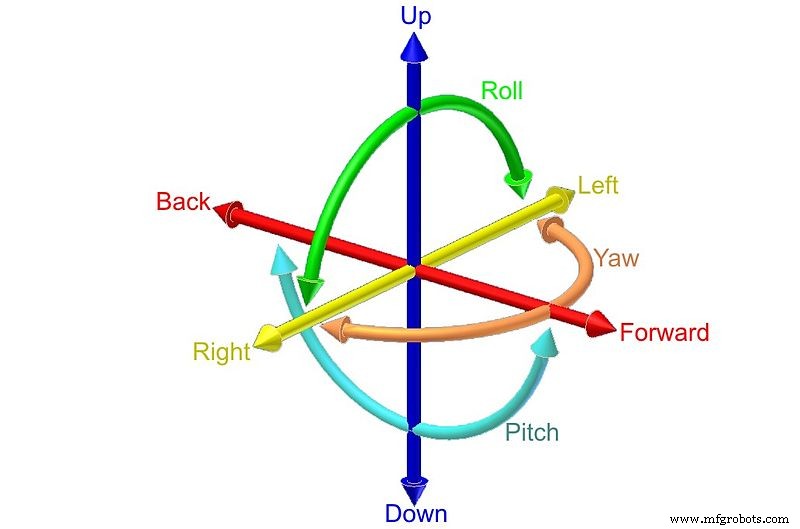 The milling machine, often referred to simply as a "mill," is the most basic tool used for milling. Milling machines vary widely, however, and many are combined into machining centers. In milling machines or in machining centers, the shape of the product is determined by the motion of either the workpiece or the cutting tool, along three linear dimensions (X,Y,Z) and up to three rotational dimensions (pitch, yaw and roll).
In the past, machine shops manually moved workpieces between lathes, mills, saws and drills to form a completed part. Today, versatile equipment that can perform multiple processes on the same workpiece offers greater efficiency. Mill/turn centers, for example, combine milling capabilities with turning and boring. Many also include motorized turrets with live tooling, allowing the machine to combine rotary cutting with linear motion. CNC technology and 3D software help engineers choose the best strategy to produce precise, accurate machined products as efficiently as possible.
Whether milling takes place on a traditional milling machine or a 6-axis machining center, the process is the same: a rotating cutting tool is brought into contact with a workpiece to chip away material. The resulting form depends on the speed of rotation, the shape of the cutting tool, and the motion of the cutting tool along the surface of the workpiece.
More from our series "What Precision Machine Shops Do"
- Introduction
- Milling
- Turning
- Boring
- Drilling
- Sawing
- Broaching
Learn more about CNC equipment and techniques from our free ebook, the CNC Machining Process Guide
Manufacturing process
- Precision Machine Shops: Mastering Grinding for Superior Metal Finishing
- Precision Broaching Services: Enhancing Accuracy in Machine Shops
- Precision Machine Shop Sawing: Advanced Cutting Techniques for Quality Results
- Precision CNC Drilling: Techniques & Tools for Accurate Hole Making
- Turning: The Core Process of Precision Machine Shops
- Precision Machine Shops: Mastering the Art of Broaching
- Precision Machine Shops: Expert Sawing for Modern Materials
- Precision Boring: Delivering Accurate, Repeatable Hole Finishing
- Milling: How Precision Machine Shops Transform Metal into Complex Parts
- Understanding Precision Milling Machines: Definition and Key Features