



Understanding the Oxygen (O2) Sensor: Role, Placement, and Failure Signs
The exhaust system is crucial for safely expelling a vehicle’s combustion by‑products and regulating emissions. At its heart lies the oxygen sensor—commonly called the O₂ sensor—an essential component that keeps the engine’s fuel‑air mix balanced for optimal performance and efficiency.
By accurately measuring the amount of unburned oxygen in the exhaust, the O₂ sensor feeds real‑time data to the engine control unit (ECU). The ECU uses this information to adjust fuel injection, ensuring the engine runs at the ideal air‑to‑fuel ratio. An improperly balanced mixture—too lean (excess oxygen) or too rich (excess fuel)—can lead to reduced power, higher emissions, and poorer fuel economy.
O₂ sensors have been mandatory on vehicles since 1981, with newer models (post‑1996) required to carry multiple sensors. The upstream sensor monitors the raw exhaust, while downstream sensors gauge how well the catalytic converter is reducing harmful gases.
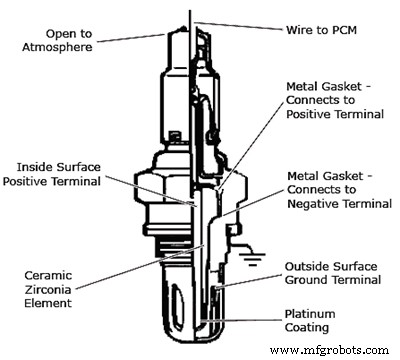
Where Is the O₂ Sensor Located?
The sensor is mounted in the exhaust manifold, directly after the engine’s cylinder head. From there, it can read the exhaust gases flowing from the combustion chamber, making it the first line of data for the ECU.
Warning Signs of a Failing O₂ Sensor
Unlike filters, O₂ sensors don’t need routine replacement, but age and heat can degrade them. When a sensor starts to fail, the ECU can no longer maintain the correct mixture, and a variety of symptoms may appear:
- Reduced fuel economy: A faulty sensor can trigger excess fuel injection, leading to noticeable drops in mileage.
- Engine misfires and rough idle: The engine may sputter or misfire, often accompanied by a check‑engine light.
- Loss of power: Inadequate air‑fuel regulation can cause sluggish acceleration or an overall drop in horsepower.
- Sulfuric “rotten egg” odor: Over‑fueling can produce a sulfur smell, a common symptom of O₂ sensor wear.
If any of these signs appear, it’s advisable to have a qualified technician diagnose and, if necessary, replace the sensor to protect engine health and maintain emissions compliance.
Advance Your Career with UTI’s Exhaust System Training
UTI’s Automotive Technology program offers hands‑on labs and expert instruction that cover the entire exhaust system, including O₂ sensor diagnostics and repair. These skills are in high demand, with auto‑technician jobs projected to exceed 705,000 by 2030. 1 47 Explore the curriculum and take the first step toward a rewarding automotive career by requesting more information here.
Industrial equipment
- Diamond Turning: Precision Machining for Advanced Optics and Beyond
- Ultrasonic Machining Explained: Process, Benefits, and Limitations
- Infrared (IR) Sensors: How They Work & Practical Circuit Diagrams
- Understanding Low‑Power Wireless Sensor Networks: Driving Efficient IoT Solutions
- Understanding AS9100: The Aerospace Quality Management Standard
- What Is A2 Steel? A Versatile, Cost‑Effective Tool‑Steel Grade for Industrial and Woodworking Applications
- Understanding Metal Casting: Process, Benefits, and Applications
- Demystifying 3D Printing: A Clear Guide for Innovators
- Understanding Piezoresistive Sensors: Converting Pressure into Precise Electronic Readings
- Decoding 'N' in Pump Calculations: Its Role and Significance