



How to Become an Automotive Electrician: Training, Duties, and Career Outlook
Automotive electricians are specialists who install, troubleshoot, and maintain the complex electrical systems that keep modern vehicles running. From lighting and infotainment to safety‑critical systems like airbags and ABS, these technicians ensure every wire and sensor performs flawlessly.
What Does an Automotive Electrician Do?
Automotive electricians possess deep knowledge of vehicle electrical circuits and wiring. Their expertise spans a wide array of systems, including:
- Ignition systems
- Gauges and instrument clusters
- Air conditioning and heating units
- Alarms and anti‑theft electronics
- Electronic fuel pumps
- Sound and entertainment systems
- Cameras and sensors
- Lighting assemblies
- Brake and ABS electronics
- SRS and airbag modules
- Fuel injector controls
Typical day‑to‑day tasks include:
- Installing new wiring harnesses
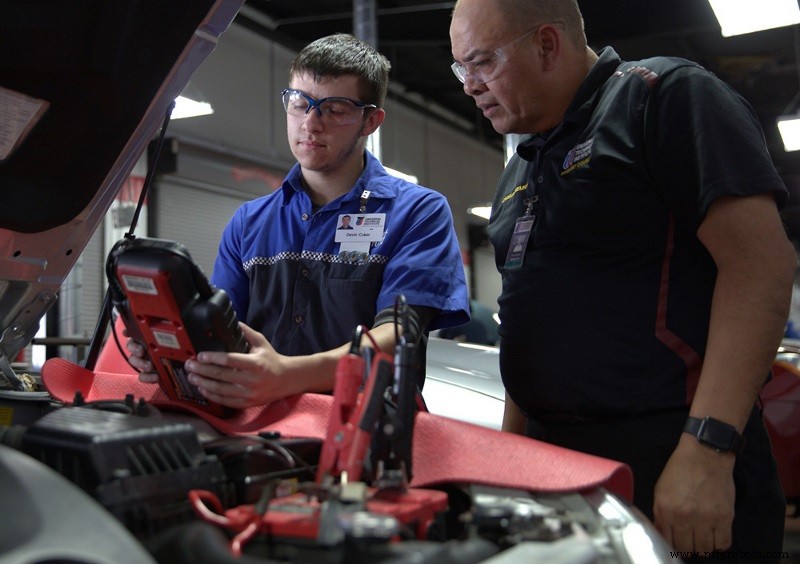
- Using diagnostic instruments to inspect electrical systems
- Repairing components with specialized welding tools
- Diagnosing faults in electronic assemblies
- Operating voltage and current meters
- Testing headlight alignment and electrical performance
- Documenting repair work and generating reports
- Communicating with customers about issues and repair timelines
These responsibilities evolve as vehicles incorporate increasingly sophisticated electronics.
Salary and Job Outlook
For those entering the field, the U.S. Bureau of Labor Statistics reports a median annual salary of $44,050 for automotive service technicians and mechanics (May 2020). Pay varies with experience, employer, demand, and geographic cost of living.
Demand for skilled electrical technicians remains strong, with an estimated 68,000 automotive positions opening annually across the country.
How to Train to Become an Automotive Electrician
Success in this specialty begins with a solid foundation in automotive fundamentals. A high‑school diploma or GED is essential, and most aspiring electricians pursue a trade‑school program that blends classroom theory with hands‑on labs.
For example, Universal Technical Institute’s Automotive Technology program offers in‑depth instruction on both domestic and foreign vehicle systems. Students learn to use oscilloscopes, multimeters, and other diagnostic tools to read and troubleshoot electrical circuits.
Graduates typically complete the program in under a year and are ready to enter entry‑level positions. From there, focused experience and on‑the‑job training allow technicians to specialize in electrical systems.
Get Started with UTI’s Automotive Technology Program
If the prospect of working with cutting‑edge vehicle electronics excites you, consider enrolling in UTI’s Automotive Technology program. The curriculum provides the skills and confidence needed to launch a rewarding career as an automotive electrician.
Students can graduate in less than a year and begin applying for entry‑level roles immediately. Contact UTI today to learn more about enrollment and career pathways.
Industrial equipment
- Mastering Cloud Computing: A Proven Path to Becoming an Expert
- How to Become an AWS Expert: A Practical Guide to Mastering Cloud Services
- Path to Becoming a Cloud Security Engineer: Skills, Responsibilities, and Certifications
- How Car Suspension Systems Work—and Why They’re Critical for Safety
- How Car Braking Systems Operate: Disc vs. Drum, Parts, Wear Signs, and Technician Careers
- How SCADA Systems Operate: Monitoring and Controlling Industrial Processes
- Master CNC Operator Training: Proven Strategies for Rapid Skill Development
- Enhancing CNC Lathe Performance with Auto Deviation Calibration Systems
- Compressed Air: The Hidden Engine Behind Modern Automotive Production
- Preventing Wear & Tear on Conveyor Systems: Expert Maintenance Tips