



Overcoming Challenges in Automotive Camera Link Technologies
Camera systems and the underlying camera‑link technologies are increasingly integral to modern vehicles, providing drivers with advanced safety features and enriched experiences. While the classic rear‑view camera (RVC) relied on a single lens, today’s vehicles often employ surround‑view systems (SVS) that combine four or more cameras to deliver a seamless 360° perspective.
Beyond basic RVCs, the automotive ecosystem now hosts a spectrum of camera‑driven functions: blind‑spot monitoring, night‑vision enhancement, road‑sign recognition, lane‑departure alerts, adaptive cruise control, emergency braking, and low‑speed collision avoidance. Emerging applications—such as driver vital‑sign monitoring, occupant detection, and gesture‑based HMI—are pushing cameras into new realms. Even the classic wing mirrors are being replaced by camera‑enabled e‑mirrors, reshaping vehicle aesthetics.
click for larger image
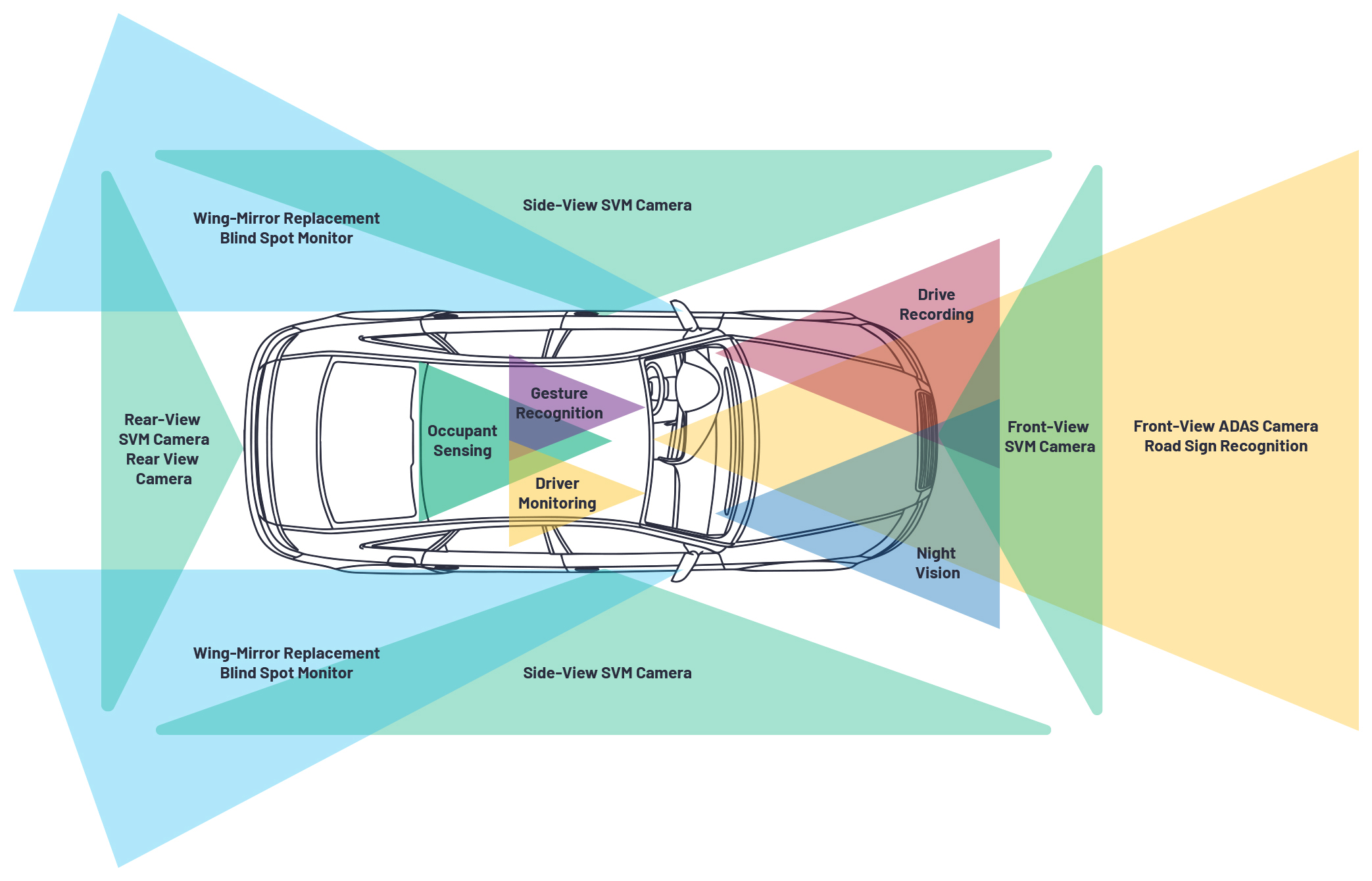
Figure 1. Proliferation of cameras in modern vehicles. (Source: Analog Devices)
Many of these advanced features trace their lineage to the standard‑definition (SD) RVCs that have been standard in vehicles for more than a decade. SD video offered a low‑risk, proven solution with modest bandwidth demands, enabling cost‑effective cables and connectors while ensuring compliant emissions and robust handling of unstable inputs. As legislation and consumer expectations broadened the camera count, SD systems spread from premium models to the broader vehicle portfolio.
Today’s trend toward ultrahigh‑definition (UHD) infotainment displays has made SD resolution appear dated, especially on larger screens where pixel detail and chroma fidelity are noticeable. The resulting push for higher bandwidth has forced OEMs to revisit the entire camera architecture, starting with the choice of camera‑link technology that transports image data from the sensor to the ECU or display.
The first criterion in selecting a camera‑link is the required bandwidth. SD‑RVCs typically operate at ~6 MHz, while SVS at low speeds can run at 30 Hz, keeping bandwidth modest. Wing‑mirror replacements that cover the full speed range use 60 Hz or higher to reduce latency, demanding more bandwidth. Autonomous‑driving front cameras, on the other hand, may deliver 18 + MP resolutions, pushing bandwidth into the gigabit range. The spectrum of available camera‑link standards reflects these varied demands, influencing the vehicle’s cost, weight, and electromagnetic compatibility (EMC).
Image QualityHigh‑fidelity image transmission is paramount; insufficient bandwidth can blur or erase critical visual cues. Image degradation can be quantified by assessing sharpness, dynamic range, and color fidelity.
Cable AttributesThe vehicle wiring harness—often exceeding a kilometer in length—constitutes one of the most complex, heavy, and installation‑intensive subsystems. High‑bandwidth applications, such as autonomous‑driving front cameras, necessitate robust, low‑loss cables that may weigh several kilograms. Emerging electrification goals emphasize weight reduction, making cable mass a key cost driver. Routing constraints, bend radius tolerance, and durability across hinge cycles (e.g., doors, trunks) further shape cable selection. Harsh‑environment exposure may also require water‑resistant or armored cabling.
In SD‑RVC deployments, lightweight unshielded twisted pair (UTP) cables, similar to those used for low‑speed control buses, are common due to the modest bandwidth. In contrast, high‑definition and digital links often rely on shielded or higher‑grade twisted pair, increasing cost and weight.
ConnectorsConnectors bridge harness segments and interface with ECUs, sensors, and cameras. Inline connectors simplify installation and enable quick camera replacement without disturbing the entire harness. High‑bandwidth links demand connectors that support greater data rates, usually at a premium. Additional considerations include footprint, sealing requirements, and keying or color coding to prevent mis‑insertion.
While SD links can share multipin connectors with control signals, digital links often require dedicated connectors, imposing stricter PCB and packaging constraints.
Vehicle ArchitectureLong cable runs—up to several meters in passenger cars and even longer in SUVs or commercial vehicles—introduce signal degradation and may necessitate repeaters or retransmitters. Architecture features such as trailer reverse assistance further increase maximum cable length. Automotive manufacturers evaluate each architecture’s impact on cable requirements during system design.
EMCIn a vehicle brimming with electronics, a camera cable can inadvertently act as an antenna, causing interference. Consequently, link technologies must meet stringent emission and immunity standards to coexist safely with other systems—whether electric motors, infotainment, or safety‑critical modules. System‑level EMC testing, followed by vehicle‑level radiated immunity verification, ensures that cameras remain resilient in real‑world electromagnetic environments.
Other RequirementsAdditional criteria such as control channel availability, pixel‑accurate data, and functional safety (ASIL) ratings also influence the selection of a camera‑link technology.
Selection of a Camera Link TechnologyChoosing the right camera‑link is a multidimensional decision that impacts cost, weight, manufacturability, and future‑proofing. SD‑RVCs, while inexpensive and reliable, struggle to meet the visual expectations of large UHD displays. Digital links support the highest resolutions and pixel‑accurate data but at higher cable and connector costs. High‑definition analog links—exemplified by Analog Devices’ Car Camera Bus (C²B)—offer a balanced compromise: they deliver HD video over existing UTP cabling and unshielded connectors, preserving cost and weight advantages while meeting EMC compliance.
High Definition Analog Camera Link TechnologyC²B was engineered specifically for automotive use, enabling HD video transmission (up to 2 MP or 1920 × 1080) over standard UTP cables up to 30 m without repeaters. Its signal design incorporates EMC‑optimizing features such as echo cancellation, common‑mode rejection, and spectrum shaping. A dedicated control channel handles I²C at 400 kHz, four GPIOs, and interrupt lines, supporting both local and remote camera configuration. CRC checks and automatic retransmission safeguard data integrity.
click for larger image
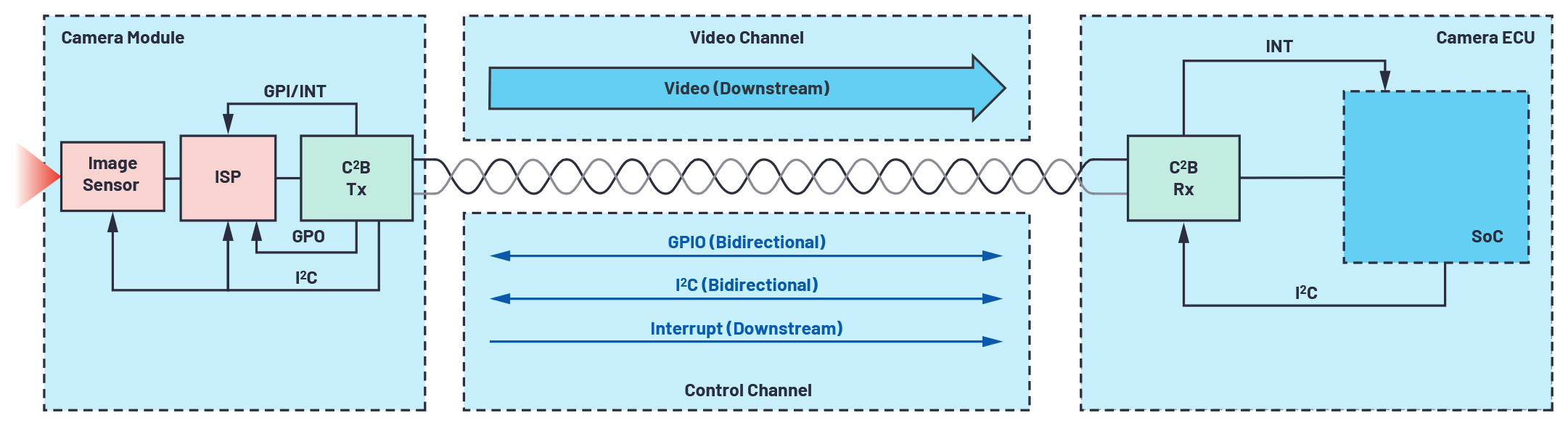
Figure 2. C²B architecture overview. (Source: Analog Devices)
C²B also provides advanced diagnostics: cable health monitoring for short‑to‑battery or short‑to‑ground events, and frame‑count telemetry for data integrity assessment. Compliance with ISO 11452‑2/4/9, ISO 7637‑3, ISO 10605, and CISPR 25 class 5 guarantees robust performance in automotive environments.
Manufacturers seeking a low‑risk upgrade from SD cameras to HD, or those looking to replace costly digital links with a more economical analog alternative, find C²B an attractive choice. Ideal application domains include rear‑view cameras, SVS, e‑mirrors, and occupant‑monitoring systems, where visually lossless performance is essential.
click for larger image
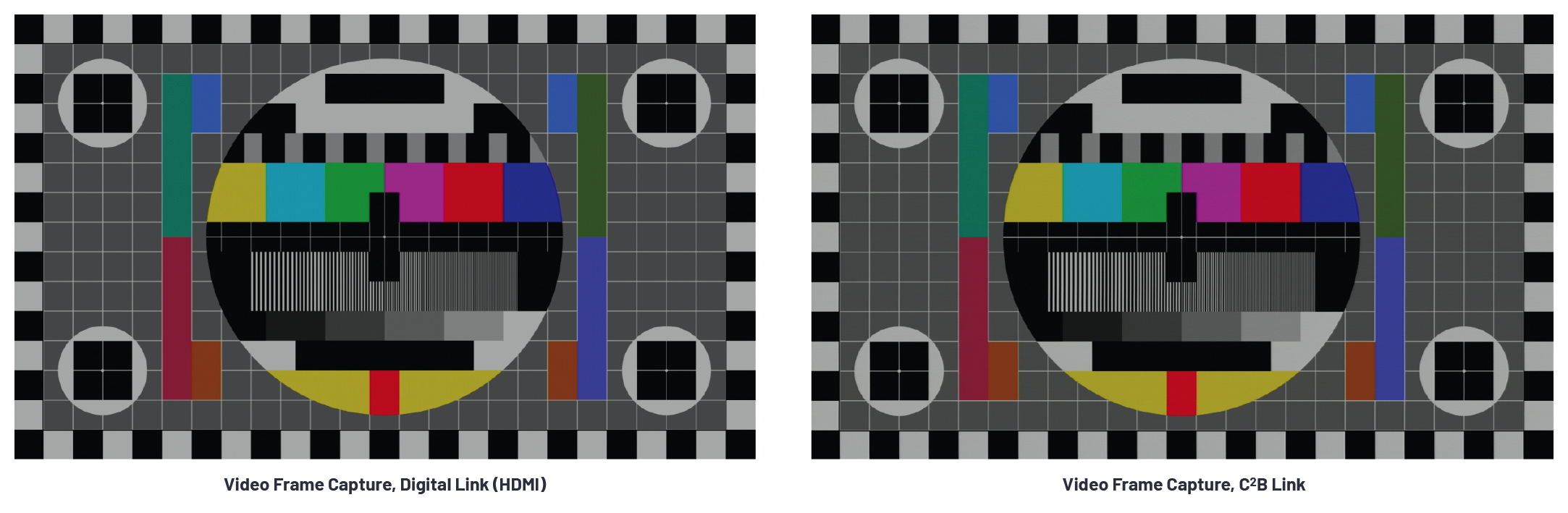
Figure 3. Comparison of video frame captures for a digital link vs. a C²B link. (Source: Analog Devices)
click for larger image
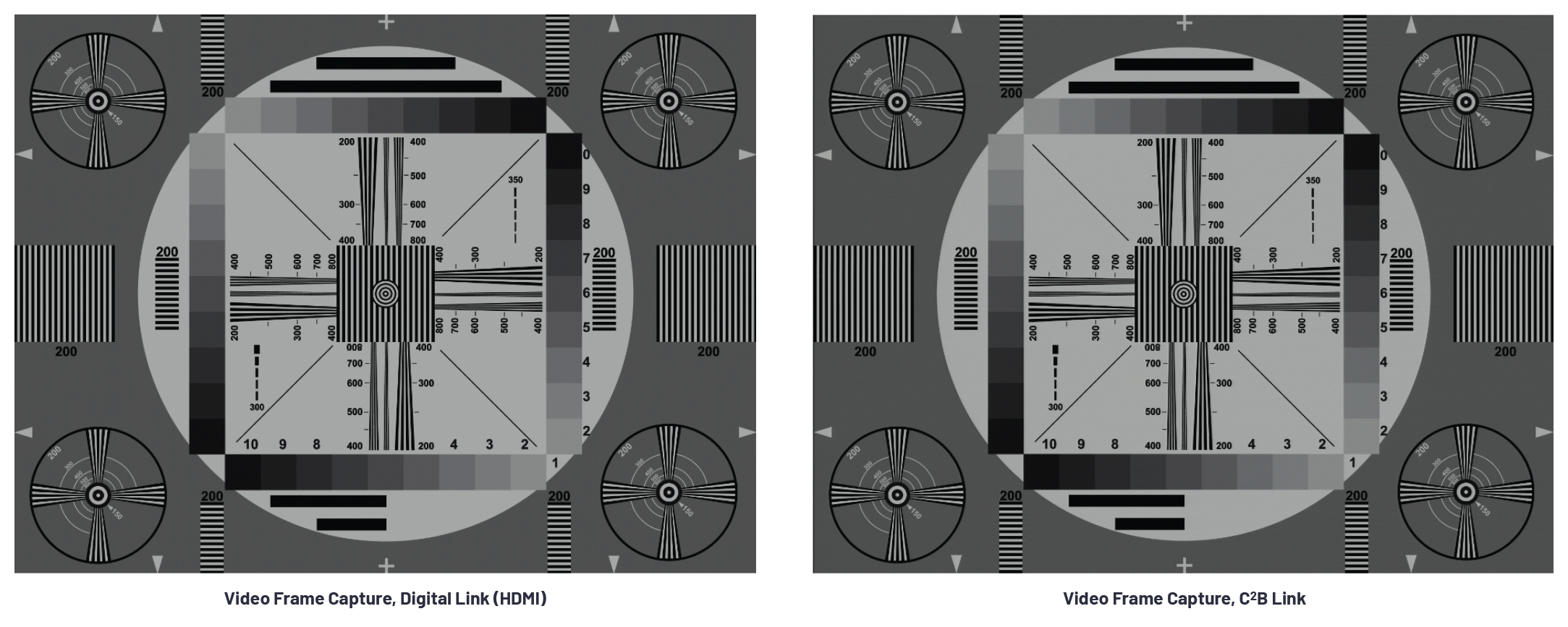
Figure 4. Comparison of video frame captures for a digital link vs. C²B link. (Source: Analog Devices)
C²B empowers OEMs to transition existing SD cameras to HD or migrate from digital links, achieving substantial cost savings without compromising image quality. Evaluation boards—ADV7992 (transmitter) and ADV7382/ADV7383 (receiver)—are available from Analog Devices, allowing rapid prototyping and validation of C²B‑based camera systems.
Embedded
- Cybersecurity in the Cloud: Overcoming Key Threats in a Multi‑Cloud Era
- How to Become an Automotive Electrician: Training, Duties, and Career Outlook
- Strengthening Security in Automotive Systems: Safeguarding the Future of Connected Vehicles
- Xilinx & Motovis Launch Integrated Forward‑Camera Solution for Automotive Perception
- Melexis Launches ASIL‑Ready Hall‑Effect Sensor for Safety‑Critical Automotive Systems
- Meeting Emerging Requirements for Reliable Data Logging in Automotive Systems: Embracing F‑RAM
- Eliminating Chip Defects: Strategies for Automotive Product Development
- Mastering IoT Development: Solving Key Challenges for Seamless Connectivity and Security
- Revolutionizing Automotive Production: Overcoming Manufacturing Challenges with IoT Solutions
- Top Challenges in Process Sampling Systems: How to Overcome Them