



Carburetor Explained: How It Works, Its History, and Why It’s Been Replaced by Fuel Injection
The vehicle’s fuel system is a finely tuned ensemble that delivers the precise mix of gasoline and air required for combustion. In the past, a carburetor performed this critical blending, but modern engines now rely on electronically controlled fuel‑injection systems.
Read on to understand the mechanics of carburetors, their role in automotive history, how they compare to today’s fuel injection, and how to recognize when a carburetor is failing.
How Does a Carburetor Work?
A carburetor sits above the engine’s cylinders, linking both an air intake and a fuel line. It uses the engine’s vacuum to pull air and fuel into the combustion chamber.
Air entering the carburetor travels through a narrow throat called the venturi. As the air speeds up, pressure drops, creating a suction that draws fuel from the float chamber through a tiny opening known as the jet.
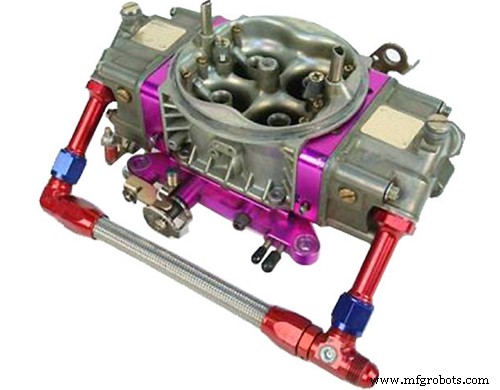
Two valves above and below the venturi fine‑tune the air‑fuel mixture:
- The choke at the top regulates the amount of air entering, especially during cold starts.
- The throttle beneath the venturi opens or closes to adjust airflow and, consequently, fuel delivery.
When the throttle opens wider, more air and fuel flow, enabling the engine to produce greater power.
Carburetor vs. Fuel Injection
Invented in 1888 by Karl Benz, the carburetor was a milestone in automotive engineering. It dominated engine design until the late 1980s, when electronic fuel injection (EFI) began to take over.
EFI replaces the mechanical blending of a carburetor with a computer‑controlled system that uses fuel injectors, oxygen sensors, and pressure regulators to deliver an exact air‑fuel ratio. While EFI offers precise control, many racing vehicles—including NASCAR—retained carburetors until 2012.
Key components of a modern EFI system include:
- Electronic Control Unit (ECU): Calculates the precise amount of fuel needed based on airflow and desired air/fuel ratio.
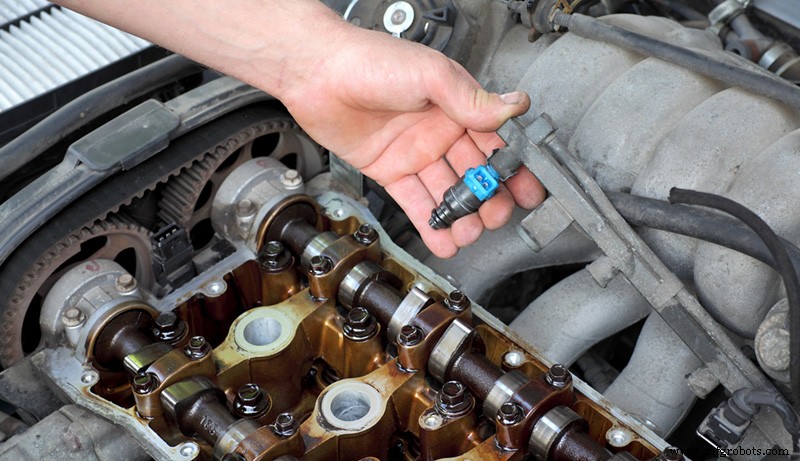
- Fuel injectors: Spray fuel directly into the intake manifold or combustion chamber.
- Oxygen sensors: Monitor exhaust gases to fine‑tune fuel delivery.
- Pressure regulators: Maintain optimal fuel pressure for consistent injection.
Signs of a Failing Carburetor
Although new cars no longer use carburetors, many older models still run on them. Over time, wear can compromise performance. Look for the following symptoms:
- Reduced engine performance: A worn carburetor can upset the air‑fuel mix, leading to sluggish acceleration.
- Backfiring or overheating: A fuel‑poor mixture may cause backfires or excess heat, risking engine damage.
- Black exhaust: Persistent black smoke indicates a fuel‑rich condition, often due to a malfunctioning carburetor.
- Difficulty starting: Hard starts or misfires are common when the carburetor can’t deliver the right mix.
If you notice any of these issues, schedule a diagnostic check with a qualified technician. Ignoring them can lead to more extensive engine damage.
Learn More About Fuel Injection at UTI
Interested in hands‑on experience with modern fuel‑injection systems? The Automotive Technology program at Universal Technical Institute (UTI) offers immersive labs combined with classroom instruction.
You can graduate in less than a year7 and acquire the skills demanded by today’s automotive industry. Plus, you’ll gain the knowledge to perform reliable repairs on your own vehicle.
Request more information today!
Industrial equipment
- Understanding the Oxygen (O2) Sensor: Role, Placement, and Failure Signs
- Understanding Direct Injection Engines: How GDI Drives Fuel Efficiency and Power
- Understanding AS9100: The Aerospace Quality Management Standard
- What Is A2 Steel? A Versatile, Cost‑Effective Tool‑Steel Grade for Industrial and Woodworking Applications
- Understanding Metal Casting: Process, Benefits, and Applications
- Demystifying 3D Printing: A Clear Guide for Innovators
- Fuel Injection vs. Carburetor: Key Differences Explained
- Zenith Carburetor: History, Features, and Impact on Fuel Management Systems
- A Comprehensive Guide to the Solex Downdraught Carburetor
- Decoding 'N' in Pump Calculations: Its Role and Significance