



Chrome Plating Explained: Process, Steps, and Applications
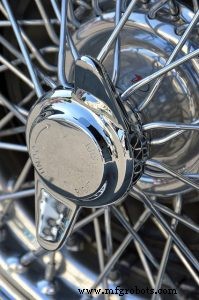
Chromium plating—commonly called chrome plating—is a precision electroplating technique that deposits a thin layer of chromium onto a metal surface. From automotive wheels to surgical instruments, this finish offers both corrosion resistance and a high‑gloss appearance.
The Fundamentals of Chrome Plating
At its core, chrome plating is an electrochemical process. A workpiece is submerged in a bath containing a chromium‑based solution—typically a chromium anhydride mixture—while an electrical current is applied. The current drives chromium ions to the workpiece’s surface, where they reduce and form a uniform metallic coating.
Step‑by‑Step Process
1. Preparation: The part is meticulously cleaned and degreased to remove oils, oxides, and contaminants that could compromise adhesion.
2. Bath Immersion: After cleaning, the part is placed in the chromium anhydride bath. The bath’s chemistry is carefully controlled to ensure a consistent deposit.
3. Electroplating: An electrical charge is applied, initiating the reduction of chromium ions and their deposition onto the surface.
4. Post‑Treatment (optional): Many manufacturers finish the plated part with buffing or polishing to achieve the desired luster and smoothness.
Decorative vs. Hard Chrome: Choosing the Right Finish
Chrome plating is often categorized by the thickness of the deposited layer:
- Decorative Chrome – Typically 0.05 to 0.5 µm thick. Ideal for aesthetic enhancements on aluminum, steel alloys, plastics, and copper.
- Hard Chrome – Much thicker, ranging from 5 to 25 µm. Known as industrial chrome, this finish delivers superior wear resistance, hardness, and long‑term corrosion protection.
Both types share the same electroplating principles, but hard chrome’s greater thickness offers enhanced durability for high‑stress applications such as valves, gear shafts, and machine tool components.
In summary, chrome plating is a reliable, industry‑proven method for protecting metal parts and improving their visual appeal. By selecting the appropriate chrome type—decorative or hard—manufacturers can tailor the finish to meet performance and aesthetic requirements.
Industrial equipment
- Chrome Plating Explained: Process, Steps, and Applications
- Understanding the Oxygen (O2) Sensor: Role, Placement, and Failure Signs
- Understanding AS9100: The Aerospace Quality Management Standard
- Metal Plating Explained: Types, Benefits, and Applications
- Understanding Black Chrome Plating: Benefits, Process, and Applications
- Hard Chrome vs Electroless Nickel Plating: Choosing the Right Finish
- Zinc, Cadmium, Chrome & Nickel Plating: Key Differences Explained
- Metal Plating Explained: Types, Benefits & Applications
- Safely Strip Chrome Plating from Metal: Expert Techniques & Tips
- Decoding 'N' in Pump Calculations: Its Role and Significance