



Thread‑Locking Fluid: The Ultimate Solution to Fastener Looseness
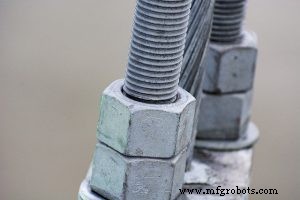
Do you know the frustration of a bolt or screw that gradually unwinds under vibration? Even if it seems secure at first, prolonged mechanical stress can cause fasteners to loosen, jeopardizing safety and reliability. The answer lies in thread‑locking fluid—an adhesive designed specifically to “lock” fasteners in place.
What Is Thread‑Locking Fluid?
Thread‑locking fluid, also called a thread‑locker, is a specialty adhesive that cures around the threading of a bolt or screw. Once hardened, it forms a bond that resists loosening, even in high‑vibration environments. The product was pioneered by American engineer Vernon K. Krieble in the mid‑1950s and later commercialized by his company Loctite. Today, numerous manufacturers offer a range of thread‑locking fluids tailored to different applications.
How It Works
Unlike conventional adhesives, thread‑locking fluid is formulated with methacrylate monomers. This chemistry gives it two key advantages:
- Anaerobic curing – The fluid cures without oxygen, allowing it to harden in tight, deep threads where air cannot penetrate.
- Thixotropic viscosity – Its viscosity increases over time, ensuring a stable bond that remains tacky during application but solidifies once the fastener is seated.
When a screw or bolt is tightened, the fluid is compressed into the thread profile. As it cures, it bonds the fastener to the mating surface, creating a mechanical lock that prevents rotation and back‑driving caused by vibrations or torque variations.
Choosing the Right Thread‑Locking Fluid
Thread‑locking fluids come in a spectrum of strengths, from low‑strength for fine, delicate assemblies to high‑strength for heavy‑load applications. Consider the following factors when selecting a product:
- Load type and magnitude
- Vibration frequency and amplitude
- Temperature range of the operating environment
- Compatibility with the materials of the fastener and mating parts
- Ease of removal if future disassembly is required
By matching the fluid’s strength to your application’s demands, you can achieve optimal performance and durability.
Conclusion
Thread‑locking fluid is a proven, reliable solution for preventing fastener loosening in vibration‑intensive settings. Its anaerobic, thixotropic properties allow it to cure in difficult conditions, while its long‑term bond integrity ensures that bolts and screws remain secure. Whether you’re designing a new machine, maintaining existing equipment, or simply want peace of mind, applying the right thread‑locking fluid is an essential step toward long‑term reliability.
Industrial equipment
- Understanding the Oxygen (O2) Sensor: Role, Placement, and Failure Signs
- What Is Power Steering Fluid? A Comprehensive Guide
- Differential Fluid Explained: Purpose, Types, and Maintenance
- Brake Fluid Explained: How It Keeps Your Car Safe
- Transmission Fluid Explained: Purpose, Importance, and Maintenance Guide
- Understanding AS9100: The Aerospace Quality Management Standard
- What Is A2 Steel? A Versatile, Cost‑Effective Tool‑Steel Grade for Industrial and Woodworking Applications
- Understanding Metal Casting: Process, Benefits, and Applications
- Understanding Milky Hydraulic Fluid: Causes and Significance
- Decoding 'N' in Pump Calculations: Its Role and Significance