



How Machining Vibrations Impact Equipment Life and Product Quality
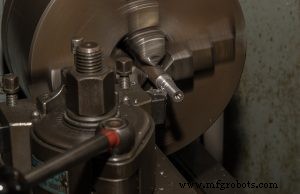
In modern manufacturing, heavy machines such as lathes and milling machines routinely generate vibrations during operation. These dynamic disturbances—commonly called chatter—can erode tool life, compromise surface finish, and ultimately accelerate machine wear.
What Is Machining Vibration?
Machining vibration refers to the rapid, uncontrolled oscillations that arise at the interface between a cutting tool and the workpiece. When the tool contacts the material, any imbalance in the system or insufficient damping can trigger these oscillations, producing a self‑sustaining “chatter” cycle.
Surface Defects: The Visible Evidence
One of the most immediate signs of chatter is the appearance of chatter marks—tiny ridges or scalloped lines that form where the cutting edge repeatedly strikes the workpiece. These superficial imperfections degrade product aesthetics and can compromise functional tolerances.
Mechanical Degradation and Early Failure
Beyond surface quality, chronic vibrations place continuous stress on the machine’s components. Bearings, spindles, and tool holders can loosen, crack, or develop fatigue over time, leading to premature downtime or catastrophic failure if left unchecked.
Effective Vibration Mitigation Strategies
- Secure Fitment – Ensure both the workpiece and cutting tool are firmly clamped. Even a slight play can amplify vibration.
- Tool Selection – Choose tools engineered for low vibration, considering material, geometry, and surface treatment. High‑speed steel or carbide inserts with optimized flute design often perform better.
- Dynamic Damping – Many machines now incorporate vibration‑absorbing mounts, elastomeric pads, or active damping systems that significantly dampen chatter.
- Process Optimization – Adjust feed rates, spindle speeds, and depth of cut to stay below the machine’s critical chatter threshold. Manufacturers’ guidelines and simulation tools can aid in selecting optimal parameters.
By combining proper tooling, secure setup, and advanced damping, manufacturers can keep chatter at bay, extend equipment life, and deliver parts that meet the highest standards of precision.
For more detailed guidance, see Vibration Management Best Practices.
Industrial equipment
- Seven Core Machining Operations Executed by Modern Lathes
- 3D Printing: Transforming, but Not Replacing, the Machining Industry
- How AI Is Revolutionizing Manufacturing & Machining: Insights from Matt Danford
- Mastering 5-Axis Machining Centers: A Comprehensive Guide
- How Industry 4.0 Revolutionizes Manufacturing: Benefits & Opportunities
- How COVID-19 Is Reshaping Global Manufacturing: Challenges & Opportunities
- Top 3 Benefits of Vertical Machining Centers for Modern Manufacturing
- Understanding CNC Machining Costs: Key Factors and How to Optimize
- CNC Machining: Transforming Manufacturing for Speed, Precision, and Sustainability
- Shaping Tomorrow: Innovations Driving CNC Machining's Future