



Brake Fluid Explained: How It Keeps Your Car Safe
Brake fluid, the unsung hero of every vehicle’s safety system, transfers the force from your foot to the wheels. If it’s neglected, your car’s ability to stop can be compromised.
Although oil changes and tire rotations are routine, many drivers overlook brake fluid maintenance. Regular checks and timely changes are just as vital to keep the braking system reliable.
Why Brake Fluid Matters
Brake fluid is the hydraulic medium that powers the entire braking system. When you press the pedal, the master cylinder turns the force into pressure that travels through the brake lines to the wheel cylinders or calipers. Because the fluid cannot be compressed, it transmits that pressure efficiently even under high temperatures and extreme pressure.
Without sufficient fluid, the system cannot build the necessary pressure, leading to a soft pedal, delayed stopping, or, in the worst case, brake failure.
When to Replace Brake Fluid
Inspect the reservoir under the hood every time you perform an oil change. The cap usually has a minimum and maximum line; keep the fluid between them. If the level falls below the minimum, add the correct type of fluid and check for leaks.
Most manufacturers recommend changing brake fluid every 2–3 years or 20,000–30,000 miles, whichever comes first. Always consult your owner’s manual for the specific interval for your make and model.
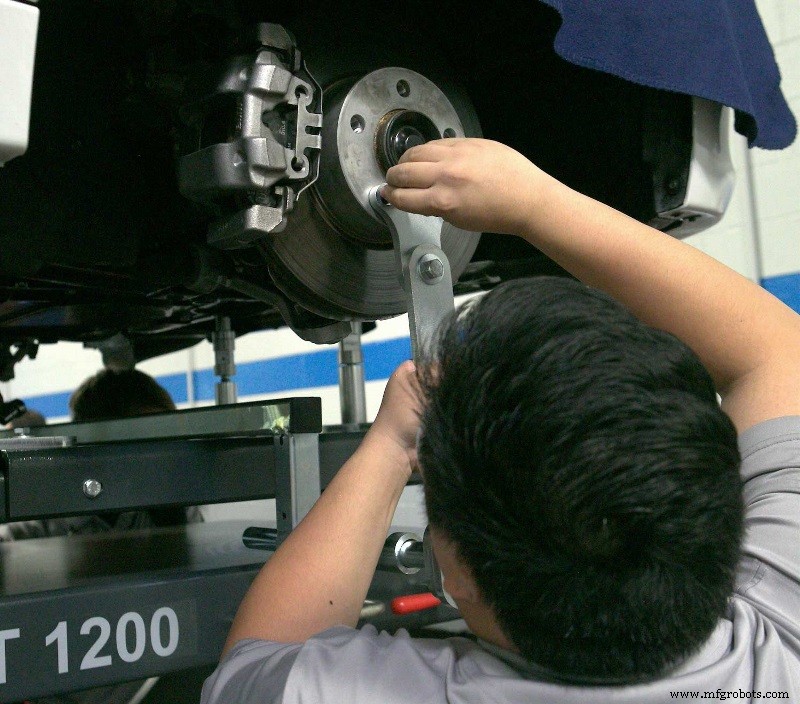
Signs Your Brake Fluid Is Low or Contaminated
- Brake warning light: Modern ABS systems illuminate the light if fluid is low or if the system detects a fault.
- Soft or spongy pedal: A diminished hydraulic force makes the pedal feel mushy.
- Unusual noises: Squealing, grinding, or scraping can indicate that the fluid is dirty or evaporated.
- Burning odor: Overheated brakes often emit a strong, acrid smell.
- Visible changes in color: Fresh fluid is clear to pale yellow. Darkening to brown or black signals that it’s time for a change.
Ignoring these symptoms can reduce braking performance and jeopardize safety.
Types of Brake Fluid (DOT Designations)
Brake fluid is categorized by the U.S. Department of Transportation (DOT) based on boiling point and composition:
- DOT 3: Glycol‑based, lower boiling point, absorbs moisture over time. Suitable for most passenger cars.
- DOT 4: Similar to DOT 3 but with a higher boiling point, offering better performance in demanding conditions.
- DOT 5: Silicone‑based, non‑water‑absorbing, highest boiling point, rarely used on road vehicles but common in racing or marine applications.
What Brake Fluid Should Look Like
In good condition, the fluid is clear or lightly yellow. Over time, it will darken as contaminants accumulate. Dark brown or black fluid is a clear indicator that replacement is necessary.
Keeping Your Brakes in Top Shape
Replacing brake fluid can be a DIY task if you follow the vehicle‑specific procedure, but many choose to have it done at a trusted shop. For those interested in a deeper understanding or a career in automotive repair, the Automotive Technology program at Universal Technical Institute (UTI) offers comprehensive training, including a dedicated course on Vehicle Brake Systems.
Contact an Admissions Representative or call 1‑800‑834‑7308 to learn more about how UTI can help you master the intricacies of brake systems and other automotive technologies.
1
Industrial equipment
- Thread‑Locking Fluid: The Ultimate Solution to Fastener Looseness
- Understanding the Oxygen (O2) Sensor: Role, Placement, and Failure Signs
- What Is Power Steering Fluid? A Comprehensive Guide
- Differential Fluid Explained: Purpose, Types, and Maintenance
- Transmission Fluid Explained: Purpose, Importance, and Maintenance Guide
- What Materials Make Up Industrial Brake Pads?
- How to Choose a Reliable Used Press Brake: Expert Guidance
- Understanding Press Brakes: How Metal Fabricators Bend Thick Sheets with Hydraulic Precision
- Understanding Hydraulic Press Brakes: Functions & Benefits for Sheet Metal Work
- Understanding Milky Hydraulic Fluid: Causes and Significance