



Die Casting: Advantages, Challenges, and Key Insights for Manufacturers
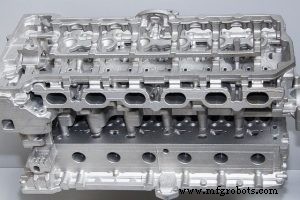
From cylinder heads and engine blocks to garden furniture and bicycle frames, die casting is the go‑to method for producing complex, high‑precision parts across a wide range of industries. The process starts with a carefully engineered mold. Molten metal—typically zinc, aluminum, magnesium, copper, lead, or tin—is heated until it reaches a fluid state, then injected into the mold cavity under high pressure. Once the metal cools and solidifies, the finished part is ejected and, in many cases, ready for shipment without further machining.
Die Casting Advantages
1. Versatile material palette. Zinc’s high ductility and strength make it a popular, cost‑effective choice for large‑volume production, but die casting also accommodates lightweight aluminum, high‑strength magnesium, and robust copper alloys.
2. Superior surface finish. The pressurised flow ensures the mold cavity is completely filled, producing smooth, dimensionally accurate surfaces that often eliminate the need for secondary polishing or machining.
3. Reduced downstream processing. Because parts come out of the mold with near‑perfect geometry, manufacturers can skip or shorten secondary operations, cutting cycle time and labor costs.
Die Casting Challenges
1. Capital intensity. The specialised machines required for high‑pressure die casting are expensive to acquire and maintain, which can be a barrier for smaller operations.
2. Strict weight tolerances. A typical die‑cast component must fall within a specified weight range—often between 1 ounce and 15 pounds—to avoid defects such as cold shuts or internal voids.
3. Material limits. Not all alloys are suitable for die casting; materials with high melting points or excessive shrinkage may be better served by alternative processes.
Bottom Line
Die casting remains a powerful, high‑volume manufacturing technique that delivers intricate geometry, excellent surface quality, and reduced post‑processing. Its suitability depends on the part’s weight, material choice, and the organization’s willingness to invest in specialised equipment. By weighing these factors, manufacturers can decide whether die casting aligns with their production goals.
Industrial equipment
- Investment Casting: Benefits, Drawbacks, and Key Considerations
- Lost‑Foam Casting: Benefits, Drawbacks, and When to Use It
- Carbon Fiber Rings: Advantages, Disadvantages, and Why They’re a Smart Choice for Modern Jewelry
- Biodegradable Plastics: Benefits, Challenges, and the Path Forward
- Ladder Logic 102: Benefits, Drawbacks, and When to Use It
- Choosing the Best Sealant: Polyurethane, Silicone, or Rubber? A Clear Guide
- Die Casting: Benefits, Drawbacks, and Comparative Insights
- Should You Coat Your Pump? Weighing the Benefits and Drawbacks
- Technology in Manufacturing: Benefits, Challenges, and Future Outlook
- Tower Cranes: Key Advantages, Limitations, and Best Practices