



Magnetic Pulse Welding: Heat‑Free, Corrosion‑Free Joining for High‑Volume Manufacturing
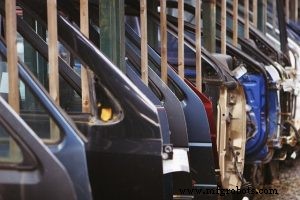
Welding typically relies on heat to fuse metal parts. Magnetic pulse welding (MPW), however, harnesses powerful electromagnetic pulses to bring components together at speeds exceeding 1,100 mph, without generating heat.
How Magnetic Pulse Welding Works
First developed in the 1970s, MPW is a solid‑state process that employs a specialized rig with capacitors to create short, high‑energy electromagnetic pulses. The resulting magnetic field forces the workpieces to collide violently, creating a metallurgical bond at the interface.
Benefits of Magnetic Pulse Welding
• No heat‑affected zones – MPW avoids the brittleness and weakness that arise when metal is heated. • Corrosion‑free joins – because the process produces no residual moisture or chemical contaminants, the welded parts resist corrosion. • No filler material required – the electromagnetic impact alone produces a strong bond, eliminating the need for additional filler alloys. • High‑volume capability – capable of up to 5 million welds per year, MPW is well suited to mass production lines (source: Wikipedia). • Safe and non‑toxic – no fumes or gases are emitted, making it a green process that protects worker health.
MPW’s combination of speed, precision, and environmental friendliness makes it an attractive choice for industries ranging from automotive to aerospace, where reliability and longevity are paramount.
Industrial equipment
- How Short‑Run Manufacturing Drives Innovation and Efficiency
- Why Custom-Molded Parts Are Essential for High-Performance Machinery
- Why Non‑Ferrous Metals Matter: Key Advantages for Industry
- Living Hinges: The Rust‑Proof, Silent, and Customizable Advantage Over Metal
- Five Key Fusion Welding Techniques Explained
- Top 5 Benefits of Induction Welding: Energy Efficiency, Precision, and More
- Why Vulcanized Seals Deliver Superior Performance
- Discover the Distinct Advantages of Laser Cutting for Modern Manufacturing
- Why Motoman Spot Welding Robots Boost Efficiency and Safety
- Discover the Advantages of TOP‑TIG Welding: Cutting‑Edge Energy & Precision