



Mechanical Joints Explained: Types, Uses, and Common Failure Points
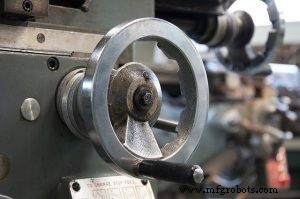
Joints are fundamental to every machine, product, and workpiece. When two or more surfaces are bonded together, a joint is formed. Among the many joint varieties, mechanical joints are specifically designed to connect moving parts. Some are temporary, others permanent, but all are integral to industrial equipment. But what exactly defines a mechanical joint, and how does it differ from other joint types?
What a Mechanical Joint Is
A mechanical joint is, as the name implies, a connection that joins one or more mechanical surfaces. High‑speed lathes, milling machines, and countless other tools contain hundreds—and sometimes thousands—of moving components. Wherever these parts interface, a mechanical joint is typically employed. The key trait of a mechanical joint is that it is engineered solely for connecting mechanical elements.
These joints provide a controlled range of motion. Mechanical parts are designed to move; if they were bound by a rigid, fixed joint, they would seize or lock up. A mechanical joint keeps the parts securely attached while allowing the intended movement, thereby preserving functionality and preventing mechanical failure.
Common Types of Mechanical Joints
While all mechanical joints share the purpose of linking mechanical parts, they come in many shapes. A knuckle joint—often used to connect rods—consists of an eye, a fork, and a knuckle pin. These elements work together to create a robust, secure connection.
A turnbuckle is another popular design. It is employed where high tensile stresses are present. A turnbuckle features a nut and a tie rod, allowing the tension in the connected components to be adjusted precisely.
Why Mechanical Joints Fail
Even though mechanical joints are generally stronger than other joint types, they are not invulnerable. One common failure mode occurs when the pin in a knuckle joint or similar assembly fractures under pressure. Because the pin is often small and slender, it is vulnerable to overload.
Improper installation can also compromise a mechanical joint. Precise clearances are critical to ensure smooth relative motion. If the clearance is off, excessive vibration can arise, ultimately damaging the joint or the components it connects.
Industrial equipment
- Mechanical Extension Springs Explained: How They Work and Why They’re Essential
- Ball Joints Explained: How They Work, When to Replace, and Repair Tips
- Understanding Tee Joints: Types, Applications, and Construction
- Understanding Mechanical Assembly: Processes & Benefits
- Understanding Pin Joints in Mechanical Engineering
- Mechanical Linkage Explained: How Hard Rods Drive Devices
- Understanding Housing Joints: A Strong, Simple Woodworking Connection
- Understanding Screw Joints: Definition, Uses, and Advantages
- Understanding Joint Tape: How It Smooths Drywall Joints for a Seamless Finish
- Mechanical Presses Explained: Function, Types, and Industrial Applications