



Mechanical Extension Springs Explained: How They Work and Why They’re Essential
Mechanical Extension Springs Explained
Mechanical extension springs—commonly known as extension springs—are ubiquitous in both industrial machinery and everyday consumer products. From conveyor systems and door closers to hydraulic cylinders and electronic enclosures, these springs provide reliable tension and energy storage in a compact, robust form.
What Is a Mechanical Extension Spring?
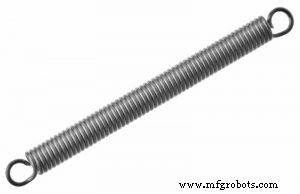
At its core, a mechanical extension spring is a coiled metal strip with hooks on each end. When two attached points are pulled apart, the spring stretches, storing mechanical energy as tension. The same principle that makes a rubber band hold a load is amplified in these metal springs, which can handle significant forces while maintaining durability.
How They Operate
When a pulling force is applied, the spring’s coils lengthen, converting mechanical work into elastic potential energy. The amount of energy stored depends on the spring’s wire diameter, coil count, and material. Once the load is released, the spring contracts, returning the stored energy to the system. This simple, repeatable cycle makes extension springs ideal for continuous operation.
Key Advantages
- Longevity: Made from stainless steel, alloy steel, or brass, extension springs resist corrosion and fatigue, often lasting decades with minimal maintenance.
- Ease of Installation: Hook‑to‑hook connections eliminate the need for complex fasteners, reducing setup time and cost.
- Vibration Dampening: Their elastic nature absorbs shocks and vibrations, protecting machinery from wear and extending component life.
- Load Capacity: Depending on specifications, they can support forces ranging from a few newtons to thousands, making them suitable for both light and heavy applications.
- Versatility: Adaptable to curved or angled paths, they can be incorporated into a wide range of designs—from simple door stops to intricate robotic arms.
Common Industrial Applications
• Conveyor belt tensioning and alignment • Hydraulic cylinder support and sealing • Door closers and safety interlocks • Seismic and vibration isolation systems • Automotive suspension components • Textile machinery tension control
In each scenario, the extension spring’s ability to maintain tension while allowing movement makes it an indispensable component for safety, performance, and reliability.
Whether you’re an engineer designing a new machine or a technician maintaining existing equipment, understanding the principles and benefits of mechanical extension springs can help you select the right spring for any load condition.
Industrial equipment
- What Are Music Wire Springs? Strength, Durability, and Modern Applications
- Mechanical Joints Explained: Types, Uses, and Common Failure Points
- Extension vs Compression Springs: Key Differences and Practical Applications
- Helical Springs Explained: How They Store Energy, Absorb Shock, and Restrain Forces
- Understanding Mechanical Assembly: Processes & Benefits
- Mechanical Linkage Explained: How Hard Rods Drive Devices
- Understanding Extension Bars: Function, Benefits, and Usage
- Understanding Extension Jambs: Purpose, Uses, and Installation Tips
- Mechanical Room Explained: Purpose, Equipment, and Safety
- Mechanical Presses Explained: Function, Types, and Industrial Applications