



What Are Music Wire Springs? Strength, Durability, and Modern Applications
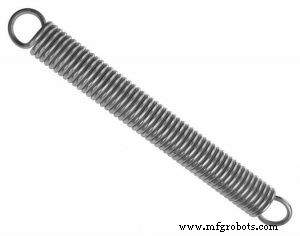
Music wire springs are specialized devices that store mechanical energy using a high‑strength steel alloy. While they come in various sizes, their distinctive construction sets them apart from standard springs.
What Is a Music Wire Spring?
Music wire springs are fabricated from music wire—a tempered, high‑carbon spring steel traditionally used for piano strings. First introduced in the 1830s, music wire replaced iron‑based wire in pianos, offering superior tensile strength and resilience. Over time, this material has been adopted for springs that demand exceptional performance.
How They Work
Like conventional extension springs, music wire springs store energy by extending under load and returning to their original shape when the load is removed. However, the high‑carbon composition allows them to endure higher stresses and provide more consistent force over time.
Key Benefits
- Exceptional Strength – High‑carbon steel outperforms stainless steel, giving music wire springs a higher load capacity.
- Durability – Their robust alloy resists deformation, making them ideal for long‑term applications.
- Corrosion Protection – Many springs are coated with zinc or similar anti‑corrosion treatments, mitigating rust risk even in harsh environments.
- Cost‑Effective Reliability – Although they cost slightly more upfront, the longevity and performance of music wire springs reduce replacement frequency.
Applications
Beyond musical instruments, music wire springs are used in automotive suspension, robotics, and industrial machinery where high strength and repeatability are critical.
Investing in a music wire spring can provide peace of mind for engineers and technicians who need a dependable, high‑performance solution.
Industrial equipment
- What Are Garter Springs? Design, Function, and Sealing Applications
- Cut vs Wire Nails: Understanding the Key Differences for Construction
- Mechanical Extension Springs Explained: How They Work and Why They’re Essential
- Helical Springs Explained: How They Store Energy, Absorb Shock, and Restrain Forces
- Electrical Pliers: Functions, Features, and Safety Tips
- Understanding Resistance Wire: Composition, Applications, and Benefits
- Wire Nails Explained: Types, Uses, and Installation Tips
- Cold Drawing: A Precise Metal Forming Process Explained
- Understanding Live (Hot) Wires: Safety, Risks, and Precautions
- Understanding EDM Manufacturing: Precision & Power in Material Removal