



What Are Detent Position Hinges? A Practical Guide
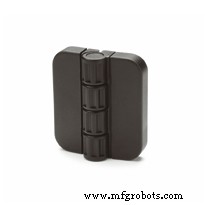
Hinges are ubiquitous in doors, cabinets, and furniture. A typical hinge consists of two leaves, a knuckle, and a pin, allowing a limited rotation when installed. While all hinges serve this fundamental purpose, detent position hinges add a valuable feature: they can hold the connected object in a predetermined position.
What Is a Detent Position Hinge?
A detent position hinge is engineered to lock a door, cabinet, or similar item in place after it is opened or closed. Unlike conventional hinges that permit continuous rotation within a fixed range, detent hinges incorporate a spring‑loaded mechanism that provides a tactile “catch” at a specific angle.
How They Work
The core of a detent hinge is an embedded spring that pushes against a detent pin or notched plate. When the hinge rotates, the spring gradually compresses, and once the pin reaches the notch, the spring force locks the hinge in that position. This design ensures the door or cabinet stays in place without external support.
Key Advantages
- Convenience: No need to keep the door closed manually—once opened, it stays open.
- Safety: The spring lock prevents accidental opening or closing, which is useful in high‑traffic areas.
- Versatility: Detent angles vary (typically 80°, 120°, or 150°), allowing you to choose the most suitable setting for your application.
- Ease of Installation: Installation follows the same steps as a standard hinge, making it a straightforward upgrade.
When to Choose a Detent Hinge
Detent hinges are ideal for:
- Cabinet doors that should stay open for easy access.
- Doorways where a soft‑closing effect is desired.
- Furniture pieces that require a stable, semi‑open position.
Because they combine the familiar hinge structure with a simple spring mechanism, detent position hinges deliver reliable performance for a wide range of applications.
Industrial equipment
- What Are Bi‑Fold Hinges? Features, Benefits, and Applications
- Deck Screws Explained: Types, Benefits, and How They Compare to Wood Screws
- What Are Split Washers? A Deep Dive Into Vibrational Locking Fasteners
- Set Screws Explained: Design, Differences, and Applications
- Spring‑Energized Seals: Design, Function, and Industrial Benefits
- Vulcanized Seals: Definition, Production, and Industrial Advantages
- Pull Handles Explained: Types, Features, and Applications
- Weld‑On Hinges: Installation, Benefits, and Material Choices
- Loose Joint Hinges: Design, Function, and Advantages
- Hydraulic Seals Explained: Types, Materials, and Their Role in Industrial Cylinders