



Vulcanized Seals: Definition, Production, and Industrial Advantages
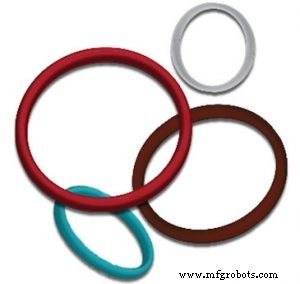
Seals play a critical role across a wide range of equipment—from automotive engines and plumbing to HVAC systems and industrial furnaces. Their primary function is to keep fluids—oil, gas, coolant—contained within designated pathways, preventing costly leaks and ensuring operational safety.
The Basics of Vulcanized Seals
Vulcanized seals are distinguished by the manufacturing technique they undergo: vulcanization. This process involves curing rubber with heat and cross‑linking agents such as sulfur, resulting in a hardened, durable material. Common seal forms—O‑rings, gaskets, and other mating components—are often produced via this method to achieve superior performance.
How Vulcanized Seals Are Made
The most prevalent production route starts with two raw rubber halves that are pressed together. Heat is applied while a curing agent bonds the layers, forming a single, uniform seal. This combination of thermal energy and adhesive chemistry produces a material that resists deformation and maintains its integrity under pressure.
Benefits of Vulcanized Seals
Vulcanized seals excel in resilience. They can deform under pressure yet recover their original shape when the load is released, ensuring a continuous, leak‑proof seal even in dynamic environments. When exposed to hot fluids, the seal expands slightly, enhancing its sealing capability; as temperatures drop, it contracts back to its baseline configuration.
Another key advantage is corrosion resistance. Because the rubber is cross‑linked during vulcanization, the resulting material is impervious to oxidation, rust, and many chemical attacks. This durability is essential for components that operate in moist or chemically aggressive conditions.
Longevity is a hallmark of vulcanized seals. They often outlast alternative seal materials, maintaining performance over many years of thermal cycling and mechanical stress. This extended service life translates into lower maintenance costs and higher equipment uptime.
In Conclusion
In summary, vulcanized seals are engineered from rubber that has undergone a controlled curing process. The resulting material combines toughness, flexibility, and chemical resistance—making it an ideal choice for sealing critical components in demanding industrial and commercial applications.
Industrial equipment
- What Are Bi‑Fold Hinges? Features, Benefits, and Applications
- Deck Screws Explained: Types, Benefits, and How They Compare to Wood Screws
- What Are Split Washers? A Deep Dive Into Vibrational Locking Fasteners
- Set Screws Explained: Design, Differences, and Applications
- Spring‑Energized Seals: Design, Function, and Industrial Benefits
- Pull Handles Explained: Types, Features, and Applications
- Weld‑On Hinges: Installation, Benefits, and Material Choices
- Hydraulic Seals Explained: Types, Materials, and Their Role in Industrial Cylinders
- What Is Vulcanized Rubber? A Professional Guide
- Vulcanized Seals: Composition, Manufacturing, and Key Advantages