



Vulcanized Seals: Composition, Manufacturing, and Key Advantages
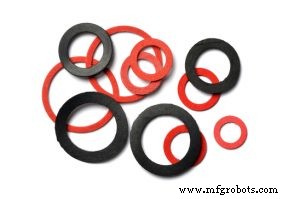
In modern manufacturing, reliable sealing is critical to prevent leaks and maintain product quality. While many industrial machines use various gasket materials, vulcanized seals—crafted exclusively from vulcanized rubber—stand out for their superior performance and durability.
What Exactly Is a Vulcanized Seal?
A vulcanized seal is a gasket made from rubber that has undergone the vulcanization process. This treatment cross‑links polymer chains, creating a material that is markedly tougher and more resistant to environmental stresses than natural or unvulcanized rubber. These seals are typically installed around the junction where two pipe sections, hoses, or other conduits meet, forming a tight, leak‑proof barrier.
How Are Vulcanized Seals Manufactured?
The production of a vulcanized seal involves several key steps:
- Mixing: Raw rubber is blended with sulfur, accelerators, and fillers to prepare the base compound.
- Vulcanization: The mixture is subjected to controlled heat and pressure, allowing sulfur atoms to form cross‑links between polymer chains. This hardening reaction dramatically increases tensile strength and resilience.
- Shaping and Bonding: The hardened rubber is then cut into the seal’s characteristic two‑end design. The ends are chemically bonded—often through a secondary vulcanization or adhesive cure—ensuring a seamless, load‑bearing interface.
- Quality Assurance: Finished seals undergo pressure tests and dimensional inspections to guarantee performance under operational conditions.
Benefits of Vulcanized Seals
Because of their material properties and manufacturing precision, vulcanized seals offer several compelling advantages:
- Exceptional Strength: Studies indicate vulcanized rubber can be up to ten times stronger than natural rubber, providing reliable sealing under high pressure.
- Oxidation Resistance: The cross‑linked structure resists oxidation, preventing degradation over time and maintaining seal integrity in harsh environments.
- Solvent Compatibility: Vulcanized seals resist a wide range of solvents and chemicals, reducing the risk of seal failure when exposed to oils, fuels, or industrial solvents.
- Long Service Life: Their durability translates into lower maintenance costs and fewer replacement cycles for industrial equipment.
In summary, vulcanized seals are engineered for reliability, offering manufacturers a robust solution for preventing leaks in pipelines, hydraulic systems, and other critical applications.
Industrial equipment
- Understanding O‑Ring Face Seals: Design, Function, and Applications
- Spring‑Energized Seals: Design, Function, and Industrial Benefits
- Vulcanized Seals: Definition, Production, and Industrial Advantages
- Hydraulic Seals Explained: Types, Materials, and Their Role in Industrial Cylinders
- What Is Vulcanized Rubber? A Professional Guide
- Understanding Shaft Seals: Design, Function, and Applications
- Why Vulcanized Seals Deliver Superior Performance
- Understanding the Oxygen (O2) Sensor: Role, Placement, and Failure Signs
- Understanding Seal Welds: Purpose, Applications, and Types
- What Is a Trap Seal? Protecting Your Home’s Plumbing