



Choosing the Perfect Fiber Optic Cable: A Practical Guide
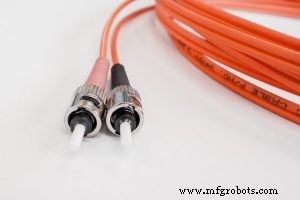
When selecting fiber optic cables for a new network or upgrade, the right choice can mean the difference between seamless data flow and costly downtime. Fiber optics—also known as optical fiber cables—offer higher bandwidth, longer reach, and immunity to electromagnetic interference compared to traditional copper cabling. Below is a step‑by‑step approach to help you choose the cable that best fits your application.
Individual vs. Bundled Fibers
All fiber optic cables consist of many thin strands of glass or plastic that transmit light signals. Some cables expose each fiber individually, while others bundle the strands into a ribbon. Bundled fibers provide a smoother, more flexible cable that resists damage from bending, making them ideal for installations that require frequent twisting or routing through tight spaces. Individual fibers are often used in specialty applications where a single fiber must be routed separately.
Jacket Material Matters
The outer jacket protects the fibers from physical damage, moisture, and environmental hazards. Choosing the correct jacket material can also influence the cable’s compliance with safety regulations such as low‑smoke zero‑halogen (LSZH) standards. Common jacket options include:
- Polyvinyl chloride (PVC)
- Low‑smoke zero‑halogen (LSZH)
- Polyethylene
- Polyurethane
- Polyamide
For commercial or high‑temperature environments, LSZH or polyethylene jackets are often preferred to reduce fire risk.
Loose‑Tube Construction for Flexibility
Loose‑tube cables feature fibers wound helically inside a protective sleeve. This design allows the cable to expand and contract with temperature changes or mechanical stress without damaging the fibers. It’s especially useful in outdoor or heavily trafficked areas where the cable may be subject to movement.
Connector Types and Compatibility
Every fiber optic cable ends with a connector that mates with network equipment. Common connector styles include:
- LC (small form factor, high density)
- SC (square connector, standard in many telecom installations)
- ST (straight tip, historically common in legacy systems)
- FC (fiber connector, used for high‑stability applications)
Match the connector type to the device’s port to ensure a secure, low‑loss connection.
Choosing the Correct Length
Length selection is straightforward but critical: a cable that is too short will not reach its destination, while an excessively long cable can introduce unnecessary attenuation and cost. Measure the distance between devices, add a small margin for splicing or future expansion, and order cables accordingly. If you’re unsure, many manufacturers offer flexible length options or can recommend the optimal length for your layout.
By considering fiber type, jacket material, construction, connectors, and length, you can confidently select a fiber optic cable that delivers reliable performance and meets industry best practices.
Industrial equipment
- How to Choose the Right Instrument Knobs for Your Equipment
- Expert Guide to Selecting Durable Marine Lighting
- How to Pick the Perfect Lock Rod – Expert Buying Guide
- Choosing Magnetic Hooks: Expert Tips for Homes and Businesses
- Fiber Optic Cables: 5 Essential Facts You Need to Know
- How to Choose the Right Strap Hinge for Your Project
- What Is Fiber Optic Cable? A Complete Guide to High‑Speed Data Transmission
- How to Select the Optimal Conveyor Structure for Your Industry
- Choosing the Right Hydraulic Pump: Key Factors & Expert Tips
- Choosing the Right Pump for Your Irrigation System: A Practical Guide