



Choosing the Right Hand Truck: A Practical Guide for Safe, Efficient Heavy‑Load Transport
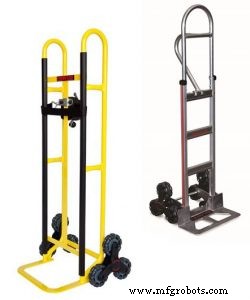
When moving bulky items in a warehouse, office, or during a move, a hand truck (also called a box cart) is the most efficient tool available. It’s a lightweight L‑shaped frame with a flat base and wheels, designed to lift and roll heavy loads with minimal effort. Although all hand trucks share this basic design, key differences can dramatically affect performance and safety. Below are the five essential factors to evaluate before making your purchase.
Nose Size: Determine What You Can Carry
The "nose"—the flat, wheeled base where boxes sit—directly limits the size of the items you can transport. A smaller nose supports only narrow, shallow loads, while a wider nose accommodates broader, deeper containers. Measure the largest item you intend to move and choose a nose width that exceeds that dimension by at least 2 inches to ensure a secure fit.
Frame Height: Keep Your Load Stable
Stacking items on a hand truck can be tempting, but the frame’s height is a critical safety boundary. The maximum stack height should never exceed the vertical clearance of the frame; exceeding this limit risks tipping or crushing the load. Many commercial models cap stack height at 20–24 inches, while heavy‑duty trucks may allow up to 30 inches.
Load Capacity: Match the Weight of Your Job
Load capacity is the most straightforward metric: it’s the maximum weight the truck can support safely. Hand trucks range from 500 lb to 1,000 lb or more. Always select a model that exceeds the total weight of the items you’ll lift, plus an additional 10–15 % safety margin. For example, a 700 lb load should be moved with a truck rated for at least 850 lb.
Standard vs. Stair‑Climbing Models
Standard hand trucks are ideal for flat surfaces, but if your job involves stairs, consider a stair‑climbing model. These trucks feature a second set of wheels or a specialized steering mechanism that allows them to ascend and descend steps smoothly, reducing the risk of accidents.
Material Matters: Balance Weight and Durability
Most hand trucks are constructed from metal frames. Aluminum frames are the lightest, making them easier to maneuver, but they typically offer lower load capacities. Stainless steel and carbon steel provide greater strength and a higher weight rating, ideal for industrial settings. Choose the material that aligns with your weight requirements and environmental conditions.
By evaluating these factors—nose size, frame height, load capacity, model type, and construction material—you can select a hand truck that delivers both performance and safety for any job.
Industrial equipment
- Choosing the Ideal Leveling Feet for Furniture and Machinery
- Choosing the Right Drawer Slides: A Comprehensive Guide
- Choosing the Right Toggle Clamp: A Practical Guide
- Choosing the Right Compactor: A Comprehensive Guide to Efficient Waste Management
- Expert Guide: Selecting the Ideal Cartoning Machine for Your Production Line
- Choosing the Perfect Smart Meter: Expert Tips for Smart Home Owners
- Choosing the Ideal Waterjet Cutting Machine for Your Machine Shop
- Choosing the Ideal Tube Bender for Your Fabrication Needs
- Choosing the Right Gearhead: Expert Tips for Optimal Torque and Efficiency
- Choosing the Perfect Conveyor Backstop: A Safety Guide