



Top 5 Must‑Have Features for Industrial Padlocks: Boost Security & Durability
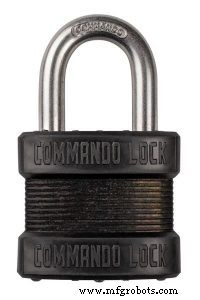
Industrial padlocks are the frontline defense against theft and vandalism in commercial and industrial settings. While every padlock shares the basic shackle‑and‑body design, the level of protection can vary dramatically based on specific construction details. Below, we outline five critical features that distinguish a high‑performance padlock from an average one.
#1) High Number of Security Pins
Security pins—small, precision‑cut components that align with the key’s pin tumbler—are the gatekeepers of a lock’s integrity. The more pins a padlock incorporates, the more difficult it becomes for an attacker to manipulate the lock without the correct key. Industry surveys show that padlocks with 16 or more pins can resist lock‑picking attempts up to 70% longer than those with fewer pins.
#2) Laminated Construction
A laminated design means the lock body is built from multiple bonded layers rather than a single monolithic piece. This multi‑layer approach distributes applied force across the structure, dramatically reducing the risk of crushing or tampering. In laboratory tests, laminated padlocks exhibited a 30% increase in tensile strength compared to their non‑laminated counterparts.
#3) Heavy‑Duty Shackle
The shackle is often the weakest point in a lock. A heavy‑duty shackle—typically forged from boron‑alloy steel—offers superior resistance to cutting, sawing, and bolt‑tapping. These shackles can withstand forces up to 10,000 lbf, far exceeding the 4,000 lbf rating of standard steel shackles.
#4) Corrosion Resistance
Most industrial padlocks contain iron or steel alloys that are prone to rust when exposed to moisture or corrosive environments. High‑quality padlocks are treated with protective coatings such as zinc or nickel plating, which act as sacrificial layers that prevent oxidation and extend the lock’s service life by 15‑20 years.
#5) Bump‑Resistance
Bumping—using a specially crafted key to force pins into the correct position—is a common bypass technique. Advanced bump‑resistant pads incorporate pinned or tamper‑evident shims, as well as hardened keyways, to thwart this attack. Locks certified to the Bypass Resistant Standard (BRS) provide proven resistance against standard bumping methods.
Industrial equipment
- 5G for Industrial IoT: Transforming Connectivity and Automation
- How to Choose the Right Industrial Rolling Cart for Heavy‑Duty Transport
- Motor vs. Actuator: How to Pick the Best for Industrial Systems
- Top 5 Industrial Brands for Unmatched Quality and Reliability
- 6 Essential Tips to Maximize Industrial Crane Performance and Longevity
- Top Industrial Manufacturing Trends of 2020: Embracing Industry 4.0
- How to Choose the Right Industrial Parts: A Procurement Guide
- How to Choose the Right Industrial Compressor: Expert Tips
- How to Choose the Right Machinery Broker for Maximum Value
- Top Must-Have Features in Equipment Tracking Software for Reliable Asset Management