



Choosing the Right Toggle Clamp: A Practical Guide
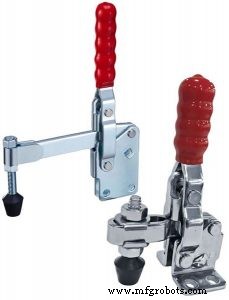
Toggle clamps are essential for keeping workpieces stable during fabrication. By pulling a lever, they generate a powerful clamping force that locks the material in place. With many variants on the market, selecting the correct type requires a clear understanding of key specifications.
Vertical vs. Horizontal Orientation
Toggle clamps are primarily categorized by the direction of their handle: vertical clamps have a handle that moves up and down, while horizontal clamps feature a handle that swings side‑to‑side. The orientation influences how the clamp fits into a workbench or jig, but both styles deliver the same core function—secure, adjustable clamping.
Handle Shape
Handle design varies from a simple straight lever to a T‑shaped grip. A straight handle offers a direct pull, whereas a T‑shaped handle adds a horizontal extension that can improve leverage and ergonomics, especially when working in tight spaces.
Clamping Force
Clamping force refers to the pressure the clamp applies to the workpiece once the handle is engaged. Manufacturers typically list this value in newtons (N) or pounds (lb). Choose a clamp with a clamping force that matches the material thickness and the load it will support.
Holding Force
The holding force is the maximum load the clamp can sustain without slipping after the handle has been fully engaged. This figure is critical for tasks that involve heavy weights or prolonged use; it should exceed the expected operating load by at least 20% to ensure safety.
Hand Force (Operating Force)
Hand force—or operating force—indicates how much effort a user must apply to actuate the clamp. Lower hand force makes the clamp easier to use, particularly for repetitive tasks or for operators with limited strength. Manufacturers often provide hand force ratings in newtons (N) or pound‑force (lbf).
When evaluating toggle clamps, review all these parameters: orientation, handle shape, clamping force, holding force, and hand force. By matching the clamp’s specifications to your project requirements, you’ll achieve secure, reliable clamping and a safer work environment.
Industrial equipment
- Choosing the Ideal Leveling Feet for Furniture and Machinery
- Choosing the Right Drawer Slides: A Comprehensive Guide
- Choosing the Right Hand Truck: A Practical Guide for Safe, Efficient Heavy‑Load Transport
- Choosing the Right Compactor: A Comprehensive Guide to Efficient Waste Management
- Expert Guide: Selecting the Ideal Cartoning Machine for Your Production Line
- Choosing the Perfect Smart Meter: Expert Tips for Smart Home Owners
- Choosing the Ideal Waterjet Cutting Machine for Your Machine Shop
- Choosing the Ideal Tube Bender for Your Fabrication Needs
- Choosing the Right Gearhead: Expert Tips for Optimal Torque and Efficiency
- Choosing the Perfect Conveyor Backstop: A Safety Guide