



Understanding Shaft Seals: Design, Function, and Applications
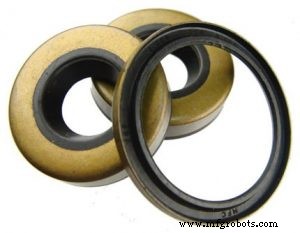
In industrial machinery, a shaft seal—often referred to as a lip seal—is the unsung hero that keeps lubricants and coolants from escaping around rotating shafts. Whether you’re operating a hydraulic pump, a conveyor system, or a precision lathe, a well‑designed shaft seal preserves both performance and longevity.
What Is a Shaft Seal?
A shaft seal is a mechanical device that forms a tight, leak‑proof barrier around a rotating shaft. The seal typically comprises a rigid outer case and a compliant lip (made of elastomer or thermoplastic). When mounted on a shaft, the lip presses against the rotating surface, creating a seal that resists oil, grease, or other fluids from leaking out of the enclosure.
Why They Matter
Rotating shafts rely on lubrication to reduce friction and dissipate heat. If the lubricant leaks, the machine can suffer increased wear, overheating, and costly downtime. Shaft seals prevent these losses by maintaining a continuous barrier, even under high pressure or temperature variations.
How They Work
The seal’s lip conforms to the shaft’s profile and expands under pressure, tightening the seal. The outer case anchors the assembly to the housing, while the lip’s material properties ensure flexibility and durability. In many designs, the seal can also accommodate shaft misalignment, which is common in high‑speed equipment.
Selecting the Right Seal Size
Choosing the correct size is critical. A seal that is too large will fail to make full contact, allowing leaks. A seal that is too small may not slide onto the shaft or could be damaged during installation. Always refer to the manufacturer’s sizing charts or consult with a seal specialist to match the seal to the shaft diameter, speed, and operating environment.
For detailed specifications and installation guidelines, see our shaft seal catalog.
Industrial equipment
- Understanding O‑Ring Face Seals: Design, Function, and Applications
- Spring‑Energized Seals: Design, Function, and Industrial Benefits
- Vulcanized Seals: Definition, Production, and Industrial Advantages
- Hydraulic Seals Explained: Types, Materials, and Their Role in Industrial Cylinders
- Vulcanized Seals: Composition, Manufacturing, and Key Advantages
- Understanding Gear Shafts: Role, Function, and Importance in Gear Systems
- Understanding Seal Welds: Purpose, Applications, and Types
- Understanding Shaft Bearings: Types, Functions, and Industrial Applications
- What Is a Trap Seal? Protecting Your Home’s Plumbing
- Understanding Glory Holes: Definition, Types, and Mining Applications