



Galvanized Steel Explained: Composition, Galvanization Process, and Corrosion‑Resistance Benefits
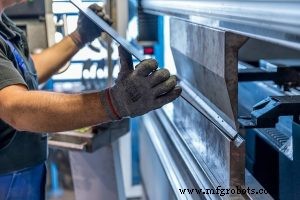
Steel permeates everyday life—from precision cutting tools and industrial die sets to towering bridges, skyscrapers, and furniture. In the United States alone, steel production exceeds 80 million tons each year. All steel is an iron‑carbon alloy, yet its properties vary widely. One widely used variant is galvanized steel.
What Is Galvanized Steel?
Galvanized steel retains the core composition of conventional steel—an iron‑carbon matrix with more than 99 % iron and under 1 % carbon. What sets it apart is a deliberate coating of zinc applied to the surface. This microscopic zinc layer, though often invisible, shields the underlying metal. Any steel bearing this zinc protection is classified as galvanized.
How Steel Is Galvanized
The most common galvanization technique is hot‑dip galvanizing. In this process, the raw steel is submerged in a bath of molten zinc. Zinc melts at 419.5 °C; once the steel is immersed, the liquid zinc bonds chemically to the surface. After withdrawal, the metal cools, allowing the zinc to solidify into a uniform, protective coating.
The Benefits of Galvanized Steel
Galvanization primarily combats corrosion—a chemical reaction that attacks iron when exposed to oxygen, whether in air or water. The zinc barrier prevents oxygen from reaching the steel, effectively rendering the metal rust‑free as long as the coating remains intact. Despite the added zinc, galvanized steel retains substantial strength, outperforming many non‑steel materials and remaining competitive with stainless and carbon steels in many applications.
Industrial equipment
- Titanium Alloy Springs vs. Steel Springs: Performance, Advantages, and Applications
- Titanium Alloys 101: Strength, Grades, and Key Benefits for Engineers
- Austenitic Stainless Steel: Structure, Advantages, and Applications
- Stainless Steel Explained: Composition, Production, and Global Impact
- Understanding Tool Steel Grades: Types, Properties, and Applications
- Understanding Steel Pipes: From Manufacturing to Infrastructure
- Alloy Steel Explained: Composition, Types, and Applications
- Galvanized Steel Explained: Why It Stands Out Against Rust
- What Is Galvanized Steel Pipe? | Benefits, Uses, and History
- Understanding Galvanized Steel Coils: Properties, Uses, and Benefits