



Pull Handles Explained: Types, Features, and Applications
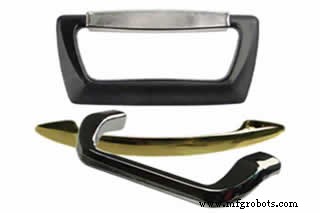
Handles are essential tools that enable manual movement of objects or workpieces. Designed with ergonomics in mind, they must comfortably fit a user’s hand, ensuring safe and efficient operation. Among the many types of handles, pull handles stand out for their specific purpose and design.
What Is a Pull Handle?
A pull handle is a hand‑grip specifically engineered for pulling motions. Whether you use one hand or both, gripping a pull handle allows you to move the attached object horizontally or vertically toward you. The most familiar example is the handle on a drawer; pulling it opens the drawer, while pushing it closes it.
Key Features of Pull Handles
- Load‑rated models: Built to support defined weight limits, making them ideal for industrial and material‑handling applications.
- Antimicrobial finishes: Incorporate agents that inhibit bacteria, viruses, and mold, which is especially valuable in healthcare and food‑service environments.
- Durable finishes: Available in stainless steel, chrome, powder‑coated or brushed aluminum to match the aesthetic and functional requirements of any setting.
- Installation options: Through‑hole pull handles are screwed into the surface, while weld‑on variants are fused directly with heat for a seamless look.
Installation Methods
Choosing the right installation technique depends on the application and material. Through‑hole handles are common in cabinets and shelving, offering a quick, tool‑free installation. Weld‑on handles, on the other hand, provide a flush finish and are preferred for structural frames where a clean look is critical.
Pull Handles vs. Twisting Handles
Unlike pull handles, twisting handles—often seen on modern doors—require a downward push rather than a pull. They operate by rotating a lever around a vertical axis, opening the door when pushed down. This distinction is crucial when selecting hardware for accessibility, safety, or design aesthetics.
By understanding the design, features, and installation methods of pull handles, designers, contractors, and users can make informed decisions that enhance usability and safety.
Industrial equipment
- What Are Bi‑Fold Hinges? Features, Benefits, and Applications
- Deck Screws Explained: Types, Benefits, and How They Compare to Wood Screws
- Recessed Pull Handles: Design, Benefits, and Installation Guide
- What Are Split Washers? A Deep Dive Into Vibrational Locking Fasteners
- Weld-On vs Through-Pull Handles: Which Is Best for Your Applications?
- Set Screws Explained: Design, Differences, and Applications
- Spring‑Energized Seals: Design, Function, and Industrial Benefits
- Vulcanized Seals: Definition, Production, and Industrial Advantages
- Pull Handles 101: Understanding the ‘On‑Center’ Measurement
- Weld‑On Hinges: Installation, Benefits, and Material Choices