



Recessed Pull Handles: Design, Benefits, and Installation Guide
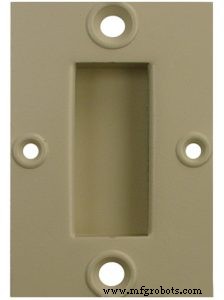
Pull handles are ubiquitous on cabinets, drawers, vehicles, and appliances, enabling effortless access. Among them, recessed pull handles stand out due to their concealed design, offering a sleek, flat surface while still delivering reliable grip.
What Is a Recessed Pull Handle?
A recessed pull handle is a handle that is integrated into a housing that sits flush with the surface of the product. Unlike exposed levers or bars, the handle sinks into the material, creating a smooth exterior. The typical configuration is a rectangular or square housing with multiple gripping surfaces inside, allowing users to slide their hand in and pull without protrusion.
Key Advantages
- Space‑saving – The handle’s recessed profile consumes minimal depth, making it ideal for narrow cabinets, compact workstations, or tight automotive panels.
- Ease of use – Multiple internal grips provide a secure hold, and the flush design reduces the risk of snagging on clothing or tools.
- Safety – Because the handle is not exposed, accidental activation is virtually eliminated, which is especially valuable in environments where accidental pulls could cause damage or injury.
- Aesthetic appeal – A flush surface lends a clean, modern look that enhances the overall finish of furniture or equipment.
Potential Drawbacks
- Installation complexity – Installing a recessed handle requires cutting a cavity into the product and often using multiple fasteners. It is not a simple bolt‑on solution.
- Compatibility constraints – Not all products can accommodate the necessary cavity. For some cabinets or vehicle panels, a standard pull handle may be the only viable option.
- Repair considerations – If the handle or its housing is damaged, re‑installing may require significant machining or replacement of the entire panel.
When to Choose a Recessed Pull Handle
Consider recessed pull handles when you need a clean profile, tighter workspace, or enhanced safety. They are especially popular in kitchen cabinetry, bathroom vanities, and high‑traffic commercial spaces where a flat surface is preferred.
Installing a Recessed Pull Handle
While the process demands more effort than attaching a standard handle, the steps are straightforward for a skilled installer:
- Measure and mark the desired location on the product’s surface.
- Cut the cavity to match the handle’s housing dimensions, using a router or panel saw.
- Position the handle and secure it with the manufacturer’s recommended screws or bolts.
- Finish the edges with a trim or a flush plate if needed to maintain a smooth exterior.
For best results, consult the handle manufacturer’s installation guide or hire a professional.
Conclusion
Recessed pull handles combine functionality with a streamlined aesthetic, making them a smart choice for modern interiors and specialized equipment. While they require a more involved installation and may not fit every product, their benefits in space conservation, safety, and visual appeal often outweigh these considerations.
Industrial equipment
- Choosing the Right Adjustable Handle: Teardrop, Ball, and Button‑Head Options Explained
- Choosing the Right Pull Handles: 5 Key Factors to Consider
- Recessed Pull Handles: Design, Benefits, and Installation Guide
- Choosing Recessed Pull Handles: Expert Guidance for Doors, Drawers & Cabinets
- Weld-On vs Through-Pull Handles: Which Is Best for Your Applications?
- Pull Handles 101: Understanding the ‘On‑Center’ Measurement
- Pull Handles Explained: Types, Features, and Applications
- Crank Handles: Versatile Tools for Precision & Everyday Tasks
- Understanding the Oxygen (O2) Sensor: Role, Placement, and Failure Signs
- Decoding 'N' in Pump Calculations: Its Role and Significance