



Choosing the Right Adjustable Handle: Teardrop, Ball, and Button‑Head Options Explained
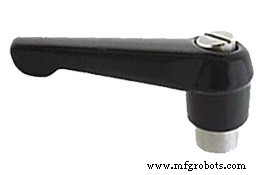
Adjustable handles are essential tools for tightening, loosening, and fine‑tuning mechanical assemblies. They provide a single, ergonomic lever that allows operators to make precise adjustments quickly and safely. While the basic concept is the same, the shape of the handle tip determines how it feels in hand and what tasks it is best suited for. The three most common styles are teardrop, ball, and button‑head.
Teardrop Adjustable Handles
Teardrop handles are named for the distinctive teardrop‑shaped tip. The long shaft ends in a pointed, slightly rounded section that grips easily against the machine part. Because the tip tapers, it gives a firm, one‑handed grip that’s ideal for high‑precision adjustments in tight spaces. Engineers often choose teardrop handles when accuracy and repeatability are paramount.
Ball‑Tip Adjustable Handles
Ball‑tip handles feature a spherical end that provides a natural, comfortable grip. The round ball is easy to turn with the thumb or fingers, reducing hand fatigue on prolonged use. These handles are versatile, performing well in both light‑handed adjustments and heavier-duty applications where a relaxed grip is needed.
Button‑Head Adjustable Handles
Button‑head handles combine a traditional lever with a recessed button on the base. Pressing the button releases a quick‑release pin or latch, making them perfect for fast, repeated connections and disconnections. This design is commonly found on hydraulic fittings, valves, and other components where speed and convenience are critical.
Choosing the right handle depends on your application: use teardrop for precision, ball for ergonomics, and button‑head for quick‑release scenarios. Consider material, size, and the force required when making your selection to ensure both durability and operator comfort.
Industrial equipment
- Recessed Pull Handles: Design, Benefits, and Installation Guide
- Understanding the Four Most Common Types of Plungers
- Pull Handles 101: Understanding the ‘On‑Center’ Measurement
- Pull Handles Explained: Types, Features, and Applications
- What Is a Ball Mill? A Comprehensive Guide to Definition, Function, and Differences from Traditional Milling Machines
- Understanding Ball Plungers: Design, Function, and Applications
- Crank Handles: Versatile Tools for Precision & Everyday Tasks
- Ball Joints Explained: How They Work, When to Replace, and Repair Tips
- Understanding the Ballcock Valve: Function, Placement, and Replacement
- Top 5 Factors to Evaluate Before Selecting a Crank Handle