



Understanding Ball Bearing Races: Structure, Function, and Types
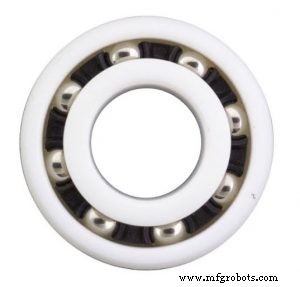
When you delve into the mechanics of ball bearings, you’ll encounter the term “race.” A race is not just a passive component; it is the engineered track that keeps the rolling elements moving smoothly with minimal friction. Whether the balls are glass, stainless steel, or another material, the presence of a well‑designed race is essential for reliable performance.
What Is a Ball Bearing Race?
A race is a precisely machined groove that guides the balls in a ball bearing. The groove provides a fixed path so the balls can roll in a controlled, low‑friction manner. When you disassemble a bearing, you’ll notice the inner and outer races each have a horizontal track that matches the size of the balls they carry.
Inner and Outer Races Explained
All standard ball bearings contain two races: an inner race that sits inside the rolling balls and an outer race that surrounds them. The two races form a sealed chamber, holding the balls in place while still allowing them to roll. Without both components, the balls would lose their containment and the bearing would fail.
Additional Components of a Ball Bearing
Beyond the inner and outer races, most ball bearings also feature a cage (or retainer). The cage is the central element that keeps the balls evenly spaced and prevents them from colliding. While some bearing designs omit a cage, the majority—especially in high‑performance applications—use one to maintain optimal operation.
Other variations include the type of balls used—glass, stainless steel, ceramic, or polymer—which influence durability, speed, and load capacity. Each material choice is matched to the race design to ensure maximum efficiency.
Industrial equipment
- The Three Core Components of a Ball Bearing
- Spring vs. Ball Plungers: Key Differences & When to Use Each
- Ball Joints Explained: How They Work, When to Replace, and Repair Tips
- Discover the Advantages of Waterjet Cutting for Precision Fabrication
- Types of Actuators: How to Pick the Right One for Your Industrial Machinery
- Top Frictionless Bearings in 2024: Expert Picks for Peak Performance
- Essential Guide to Solenoid Wiring: Best Practices & Tips
- Exploring Bearing Types: Ball, Roller, and Precision Options
- Exploring the Two Primary Types of Pumps
- Hydraulic Pump Classifications: Positive vs Negative Displacement Explained