



Ball Joints Explained: How They Work, When to Replace, and Repair Tips
The suspension system is critical to a vehicle’s handling and safety, comprising shock absorbers, control arms, and various links. Among these, ball joints play a pivotal role by linking the control arms to the steering knuckles, allowing wheels to move smoothly while keeping the suspension firmly attached to the chassis.
A ball joint is made up of a metal housing, a rotating stud, and a lubricated socket. As you drive, the stud continuously pivots inside the socket, which can lead to wear over time.
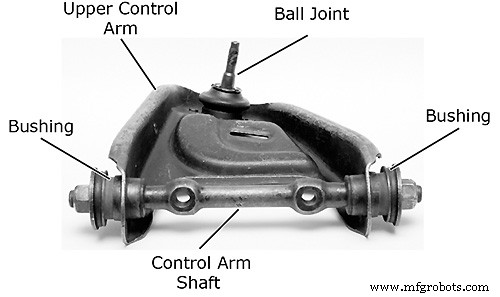
Upper and Lower Ball Joints
Vehicles typically use two types of ball joints: upper and lower. Upper ball joints, often referred to as “followers,” are non‑load‑bearing and primarily guide wheel motion. Lower ball joints, on the other hand, bear the vehicle’s weight and are crucial for maintaining tire contact with the road.
When to Replace Ball Joints
Because ball joints endure constant motion and stress, they will inevitably wear out. As the stud loosens, the clearance between the stud and socket grows, compromising steering precision and safety. In severe cases, the stud can detach, leading to partial wheel disconnection.
Manufacturers specify acceptable clearances; familiarizing yourself with these limits helps you gauge when replacement is necessary. Key warning signs include:
- Excessive vibration: A rattling or shaking feel in the steering wheel or suspension indicates worn ball joints.
- Rattling or clunking noises: Loose joints can produce knocking, clunking, or banging sounds when traversing bumps or turning.
- Irregular tire wear: Uneven wear on the inside or outside of tires often signals misaligned or damaged ball joints.
- Vehicle pulling to one side: While alignment issues can cause drifting, worn ball joints are a common culprit as well.
Having a certified technician inspect and replace ball joints ensures that your suspension performs safely and efficiently.
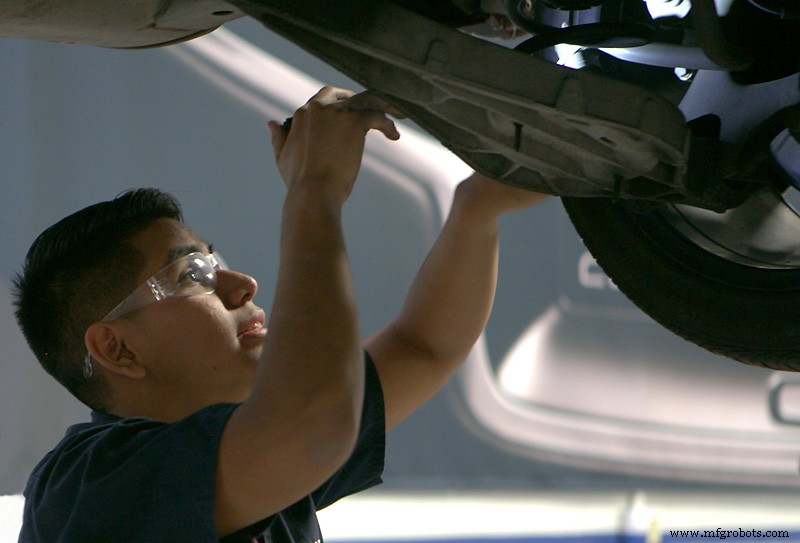
Learn How to Repair Worn Ball Joints as an Automotive Technician
The Automotive Technology program at Universal Technical Institute (UTI) equips students with the skills needed to diagnose and repair ball joints, along with other steering and suspension components. This hands‑on education can also launch a rewarding career; the U.S. labor market estimates more than 68,000 automotive technician positions annually.1,2
UTI’s curriculum blends classroom theory with practical labs, giving you a solid foundation for entry‑level roles in the automotive industry.
Interested in pursuing a career in automotive repair? Request information today to speak with an Admissions Representative.
Industrial equipment
- What Are Bi‑Fold Hinges? Features, Benefits, and Applications
- Understanding Ball Bearing Races: Structure, Function, and Types
- Deck Screws Explained: Types, Benefits, and How They Compare to Wood Screws
- What Are Split Washers? A Deep Dive Into Vibrational Locking Fasteners
- Set Screws Explained: Design, Differences, and Applications
- Spring‑Energized Seals: Design, Function, and Industrial Benefits
- Vulcanized Seals: Definition, Production, and Industrial Advantages
- Pull Handles Explained: Types, Features, and Applications
- What Is a Ball Mill? A Comprehensive Guide to Definition, Function, and Differences from Traditional Milling Machines
- Exploring Bearing Types: Ball, Roller, and Precision Options