



Turbochargers Explained: How They Boost Engine Performance
Internal combustion engines depend on precise airflow and fuel mixture for optimal combustion. Natural aspiration relies on pressure differentials created by intake valve operation, allowing air to flow into the combustion chamber.
As automotive engineering has evolved, manufacturers seek ways to increase power without enlarging engine displacement. Turbocharging is a key technology that harnesses exhaust energy to boost performance.
How a Turbocharger Works
A turbocharger is a centrifugal‑type power add‑on that converts exhaust gas pressure, volume, and temperature into rotational energy for a turbine. The main components include the turbine, turbine housing, center‑bearing support, compressor, and compressor housing.
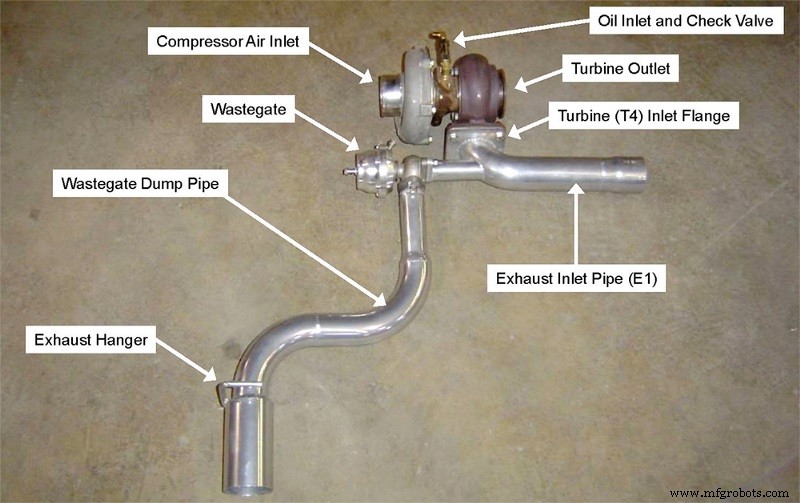
The turbine is connected via a shaft to the compressor wheel. When the engine operates, pistons and valve action create pressure differences; the exhaust valve opens, allowing high‑pressure, high‑temperature exhaust gases to exit the combustion chamber and drive the turbine.
As exhaust gases pass through the turbine housing, they spin the turbine, which in turn turns the compressor wheel. The compressor vanes draw in ambient air, compress it through centrifugal force, and force it into the compressor housing.
Compressed air in the housing is pressurized by the combined effect of increased volume and centrifugal force. When the compressed air volume exceeds the engine’s displacement, a positive pressure builds in the intake manifold, creating boost.
With more air available, the engine can burn more fuel, raising combustion pressures. Higher pressures push pistons harder and faster, delivering increased power output.
Two common methods control turbo boost:
- Wastegate: A valve on the exhaust side that diverts exhaust gases from the turbine to prevent over‑boost. It can be external or cast into the turbine housing.
- Blow‑off valve (BOV): Located in the intake stream, it releases excess pressure when the throttle closes, preventing surge.
Turbochargers enhance engine performance without directly adding mechanical load to the engine, since they use exhaust gases. However, any rotating component still requires engine power to operate.
What a Turbo Looks Like
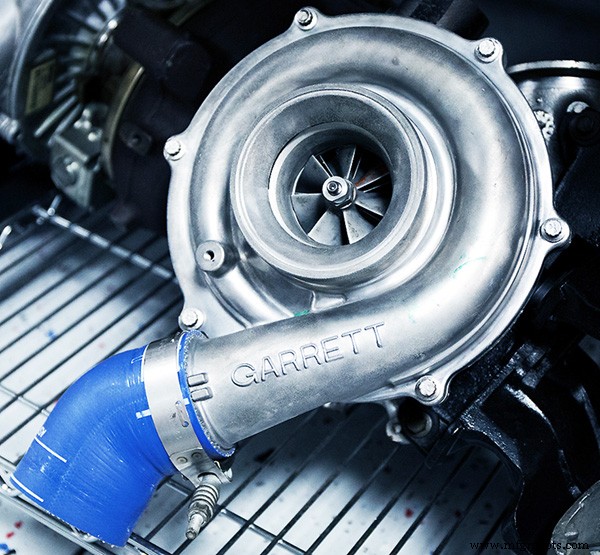
Visually, a turbocharger resembles a pair of snail‑shaped fans:
Key Considerations Before Installing a Turbocharger
Adding a turbocharger can be straightforward, but several factors must be addressed to ensure reliability and performance:
Base Engine Components
Standard OEM engines often use cast‑aluminum pistons, powdered steel connecting rods, and cast‑iron crankshafts—suitable for naturally aspirated setups but potentially vulnerable under boost. Depending on the build, forged‑aluminum pistons and connecting rods, along with aftermarket steel crankshafts, may be recommended for added strength.
Intercooler
Compression raises air temperature, reducing oxygen density and risking knock or detonation. An intercooler lowers intake air temperature, preserving density and protecting the engine.
Fuel Supply
Boosted air requires proportionally more fuel. High‑volume fuel pumps, larger fuel lines, and adjustable fuel‑pressure regulators can ensure adequate fuel delivery across all load conditions.
Computer Tuning
Modern vehicles use engine management systems that must be recalibrated to accommodate increased airflow. Aftermarket flash tunes and programmers help maintain optimal fuel‑air ratios and ignition timing.
Regulations
Legal requirements vary by jurisdiction. For example, California mandates specific parts and emissions compliance for turbo‑charged vehicles. Verify local regulations before installation.
Learn Engine Performance Tuning at UTI
Students in Universal Technical Institute’s (UTI) Automotive Technology program gain hands‑on experience with engines, including turbochargers and superchargers.
The Emission Legal Performance Tuning course teaches the use of tuning software to calculate the appropriate turbocharger for a given engine, enabling modifications and parameter adjustments within the engine computer.
You can graduate in under a year7 with skills that open doors to in‑demand industry careers1. Take the first step—request more information today!
Industrial equipment
- Electrical Grounding Explained: Safeguarding Systems from Arcing and Fires
- Engine Braking Explained: How It Works and Why It Matters
- How a Car Radiator Works: Inside the Cooling System
- How Air Dryers Work: Keeping Compressed Air Clean & Efficient
- How Air-Over-Hydraulic Brakes Work: A Clear Guide
- Understanding Engine Clutches: How They Work and 3 Key Facts
- Understanding Overrunning Clutches: How They Operate and Why They Matter
- How a 3D Pen Works: From Filament to Finished Model
- How Forced Air Heaters Operate: Mechanics, Uses, and Pros & Cons
- How a Two-Stage Pump Delivers Reliable Water Pressure