



Electrical Grounding Explained: Safeguarding Systems from Arcing and Fires
In modern electrical installations—from automotive wiring to commercial power grids—grounding is a non‑negotiable safety feature. By providing a dedicated path for stray currents, it prevents dangerous arcing, reduces fire risk, and protects personnel and equipment.
What Is Electrical Grounding?
Electrical grounding, also known as earthing, is the intentional connection of a system to the Earth or a neutral reference point. This connection allows excess or fault current to flow safely to a low‑impedance path, preventing voltage build‑up that could otherwise ignite a fire or cause injury.
How Grounding Works
Grounding takes advantage of the Earth’s negative potential. When a fault occurs—such as insulation failure or a short circuit—electricity seeks the path of least resistance. The grounding conductor, bonded to the chassis of vehicles or to a ground rod in buildings, shunts the excess charge directly into the ground, neutralizing the positive charge that could create an arc.
In automotive and aviation applications, the grounding wire is bonded to the metal frame or airframe, creating a continuous return path for stray currents. In residential and commercial buildings, the National Electrical Code (NEC) requires a grounding electrode system—typically a buried copper rod—to ensure that fault currents can safely dissipate.
Choosing a Grounding Kit
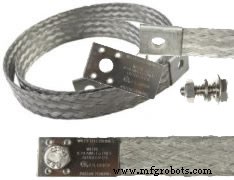
For DIY installations or repair work, a grounding kit provides everything needed to establish a reliable connection. A typical kit includes:
- A braided copper grounding conductor, rated for the expected fault current.
- Pre‑cut wire lengths and appropriate connectors.
- Fastening hardware and a mounting bracket for secure attachment to chassis or metal framing.
- Clear installation instructions that comply with industry standards.
By selecting a kit that matches the specific application—whether automotive, aviation, or building wiring—you ensure both compliance and optimal safety.
Key Takeaways
Grounding is the cornerstone of electrical safety. It directs unwanted current to the Earth, preventing arcing, fires, and equipment damage. Whether you’re wiring a new vehicle, upgrading a home’s electrical system, or maintaining industrial equipment, a properly installed grounding conductor is essential for protecting people and property.
Industrial equipment
- How Electromagnets Work: Principles, Operation, and Practical Advantages
- How Water‑Jet Cutting Works: A Heat‑Free, Precision‑Cutting Technology
- How Does a Lathe Work? A Complete Guide to Turning Machines
- Turbochargers Explained: How They Boost Engine Performance
- How a Car Radiator Works: Inside the Cooling System
- Understanding Overrunning Clutches: How They Operate and Why They Matter
- How a 3D Pen Works: From Filament to Finished Model
- Understanding Electrical Grounding: Purpose, Function, and Proper Installation
- Electrical Discharge Machining (EDM): How It Works & Its Industrial Applications
- How a Two-Stage Pump Delivers Reliable Water Pressure