



Shocks vs. Struts: How They Keep Your Vehicle Stable
The suspension system is the cornerstone of vehicle handling, maximizing tire‑road friction to deliver precise steering and a comfortable ride.
It comprises multiple components, each contributing to vehicle control and ride quality. Among them, shocks and struts are essential for maintaining optimal suspension performance.
Read on to discover the distinct functions of struts and shocks, how they differ, and the signs that indicate replacement is needed.
What Are Struts?
Struts serve as a structural backbone of the suspension, most commonly found on front‑wheel‑drive vehicles but also present in some rear‑wheel‑drive models.
Essentially, a strut is a single assembly that integrates a shock absorber and a coil spring. The strut body attaches to the steering knuckle via a lower control arm and ball joint, effectively substituting for the upper control arm.
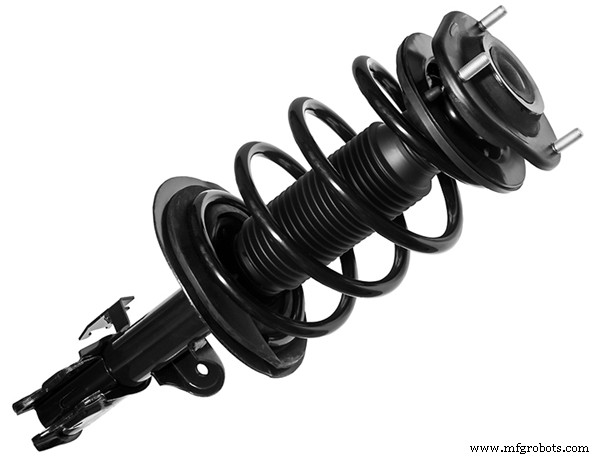
By damping coil spring motion, struts support the vehicle’s weight and maintain handling over uneven terrain. They also enhance overall vehicle stability.
What Are Shocks?
Shock absorbers—or shocks—manage the rebound and impact of the suspension, keeping tires firmly planted on the road surface.
They convert kinetic energy into heat via hydraulic fluid, using a piston, coil, and fluid to dampen suspension motion.
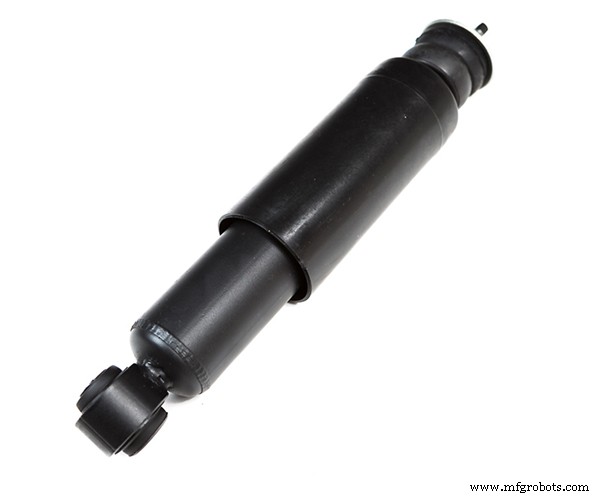
During suspension movement, hydraulic fluid is forced through tiny orifices in the piston, restricting flow and slowing the piston’s motion, which in turn moderates spring activity.
The quicker the suspension moves, the greater the shock’s resistance, resulting in less road bounce, reduced sway, and minimized brake dive.
Struts vs. Shocks
Although both dampen vehicle motion to enhance control, struts and shocks are distinct components and cannot be swapped.
Struts act as structural members of the suspension, whereas shocks are purely damping devices. Consequently, many vehicles pair struts on one axle with shocks on the other, depending on the suspension design. Some models forego struts entirely, using separate springs and shocks instead.
To determine whether your vehicle uses struts or shocks, consult the owner’s manual, inspect the suspension, or ask a certified technician—who can also advise on replacement timing. Below are common wear indicators.
When to Replace Shocks and Struts
Typically, shocks or struts should be replaced between 50,000 and 100,000 miles, though mileage depends on driving conditions such as road quality and load.
Because wear is gradual, early signs may be subtle. Watch for the following symptoms:
- Increased bumpiness: If the ride feels noticeably rougher or shakier, it may indicate worn shocks or struts.
- Brake issues: Excessive brake dive or a forward lurch when braking can signal compromised struts or shocks.
- Tire wear: Uneven or scalloped tread patterns may reveal suspension problems requiring new shocks or struts.
- Fluid leaks: External leakage indicates loss of hydraulic fluid, impairing the damping function.
Having a certified technician diagnose and replace worn components ensures optimal performance and safety.
Work on Suspension Systems at UTI
Aspiring automotive technicians can build hands‑on expertise through UTI’s Automotive Technology program. In just 51 weeks, students master practical skills in interactive labs, ready for entry‑level roles.
The curriculum includes “Vehicle Steering and Suspension Service and Repair,” covering suspension components, assembly/disassembly techniques, and alignment tooling.
Beyond career advancement, graduates acquire the know‑how to service their own vehicles. Complete the program in just 51 weeks—contact us for more information.
Learn more about our Automotive Technology Program today.
1
Industrial equipment
- Plate Clamps: Design, Function, and Benefits for Heavy‑Duty Lifting
- Thrust Bearings Explained: Types, Functionality, and Selection Guide
- Technopolymers: Definition, Properties, and Industrial Applications
- Flat Springs Explained: Design, Function, and Selection Guide
- Adjustable Glides: What They Are, How They Work, and Their Benefits
- Locking Washers Explained: Types, Functions, and Why They Matter
- Understanding Jigs and Fixtures: Key Tools for Precision Manufacturing
- Bucket Elevators: Key Benefits & Industrial Applications
- Understanding Drum Brakes: Function, Features, and Maintenance Tips
- Jigs vs. Fixtures: How They Enhance Production Quality