



Locking Washers Explained: Types, Functions, and Why They Matter
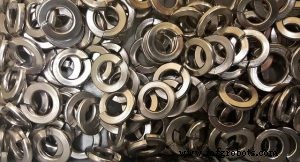
Washers are a fundamental component in fastening systems, used alongside bolts and nuts to spread load and reduce stress on the joined parts. While standard washers perform this load‑distribution role, locking washers add an extra layer of security by preventing the fastener from loosening under vibration or thermal cycling.
What Is a Locking Washer?
A locking washer is engineered to keep a bolt firmly seated in its threaded hole. In addition to load distribution, it creates a mechanical lock that resists axial movement. When a machine vibrates or experiences torque, a conventional washer can slide or the bolt can back‑out; a locking washer counters this by maintaining tension on the nut.
Common varieties include:
- Split washers – split the washer into two halves, producing a concave surface that grips the nut.
- Spring (or tension) washers – feature a flattened spring that expands when tightened, clamping the nut.
- Wedge washers – shaped like a wedge, they generate shear force that resists bolt rotation.
How Do Locking Washers Keep Fasteners Secure?
Each type relies on a combination of geometry and material elasticity to generate downward tension against the nut. When the nut is tightened, the washer’s unique shape or spring‑like core compresses, increasing friction between the bolt head, washer, and nut. This friction raises the torque required to loosen the assembly, effectively “locking” the bolt in place.
Because the washer maintains tension even after the initial torque has been applied, it remains effective under sustained vibration, thermal expansion, or repeated loading cycles.
When to Use Locking Washers
Locking washers are indispensable in:
- Automotive and aerospace components where vibration is constant.
- Industrial machinery and conveyor systems.
- Structural applications that must meet safety‑critical standards.
Choosing the correct washer type depends on load direction, available space, and material compatibility.
Conclusion
Locking washers play a critical role in ensuring long‑term fastening integrity. By adding a simple, inexpensive component, engineers can dramatically reduce the risk of bolt failure in demanding environments.
See Monroe’s Locking Washers
Industrial equipment
- Plate Clamps: Design, Function, and Benefits for Heavy‑Duty Lifting
- Thrust Bearings Explained: Types, Functionality, and Selection Guide
- Cup Magnets: Design, Function, and Selection Guide
- Flat Springs Explained: Design, Function, and Selection Guide
- Adjustable Glides: What They Are, How They Work, and Their Benefits
- Backup O‑Rings: What They Are and Why They’re Essential for Leak Prevention
- CNC Machines Explained: How They Operate and Drive Modern Manufacturing
- I/O Cards Explained: How They Work and Why They Matter
- Understanding Drum Brakes: Function, Features, and Maintenance Tips
- Port Cranes Explained: How They Operate and Drive Global Shipping Efficiency