



How Rubber Bumpers Protect Industrial Machinery and Floors
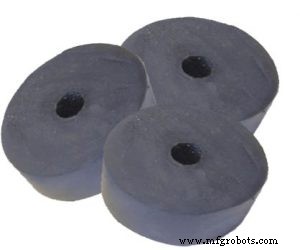
Despite their compact form, rubber bumpers deliver substantial protection for industrial equipment. From lathes and milling machines to grinding machines and planers, heavy‑vibration tools can quickly degrade components and floors. A properly installed rubber bumper mitigates shock, absorbs vibration, and extends equipment life.
The Basics of Rubber Bumpers
Commonly called grommet bumpers, these small rubber discs are engineered to cushion impact and prevent scratches. Most feature a circular profile, sometimes with a central perforation that allows the material to flex under pressure. A subset comes with a self‑adhesive backing, making installation quick and tool‑free.
When to Use Rubber Bumpers
If your facility houses high‑speed or heavy‑load machinery, consider rubber bumpers as a preventative measure. They:
- Absorb vibrations that otherwise accelerate wear on bearings, gears, and structural joints.
- Act as a barrier between equipment and the floor, preventing gouges, scuffs, and paint damage.
- Reduce noise levels in noisy production areas.
For equipment that sits directly on the floor, placing a bumper set beneath the machine creates a stable, shock‑absorbing platform that protects both the machinery and the flooring.
Choosing the Right Rubber Bumper
Size matters. Pick a bumper diameter that matches or slightly exceeds the footprint of the equipment you’re protecting. The material choice should reflect the operating environment:
- Silicone Rubber – Highly elastic, moisture‑resistant, and long‑lasting, ideal for general‑purpose use.
- Nitrile Rubber – Excellent resistance to oil, grease, and many chemicals, making it suitable for workbenches and areas with lubricant exposure.
In addition, consider the bumper’s load rating and the expected frequency of vibration. For high‑torque machines, a thicker, reinforced design can offer superior durability.
Industrial equipment
- What Are Bi‑Fold Hinges? Features, Benefits, and Applications
- Gasket Materials Explained: Common Types & Their Applications
- Deck Screws Explained: Types, Benefits, and How They Compare to Wood Screws
- What Are Split Washers? A Deep Dive Into Vibrational Locking Fasteners
- Set Screws Explained: Design, Differences, and Applications
- Spring‑Energized Seals: Design, Function, and Industrial Benefits
- Vulcanized Seals: Definition, Production, and Industrial Advantages
- Pull Handles Explained: Types, Features, and Applications
- Weld‑On Hinges: Installation, Benefits, and Material Choices
- What Is Vulcanized Rubber? A Professional Guide