



Wood Screws Explained: Types, Features, and Selection Tips
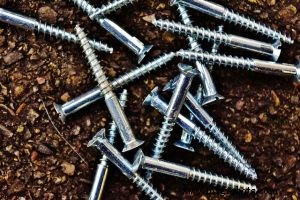
Choosing the right fastener can make or break a woodworking project. Wood screws are specifically engineered for bonding wooden components, offering reliable holding power and minimal damage to the material.
What Are Wood Screws?
Wood screws are threaded fasteners designed to join wooden parts. Unlike general-purpose screws, they feature a sharp point and a head shape that allows them to sit flush or slightly recessed into wood, preventing split and providing a clean finish. The shank may be partially threaded or fully threaded, and many have a tapered head that blends seamlessly with the workpiece.
Key Features to Look For
- Length and Diameter: Choose a screw that is long enough to penetrate the second piece by at least 1.5 × the diameter for solid wood, or 2–3 × for softwood, but avoid over‑penetration.
- Material: Most wood screws are made from carbon steel. For outdoor or high‑humidity projects, stainless steel, chrome‑plated, or high‑carbon steel options are available. Titanium, brass, and aluminum screws are used where corrosion resistance or weight are critical.
- Thread Pitch: Fine threads are ideal for hardwoods; coarse threads are better for softwoods and plywood.
- Drive Recess: Common types include Phillips, Pozidriv, Slotted, and Torx. Choose a drive that matches the tools you have on hand and offers good torque without cam‑out.
- Head Style: Flat, pan, oval, or button heads keep the screw head flush or slightly recessed, protecting the surface and enabling a smooth finish.
Practical Tips for Selecting the Right Wood Screw
When shopping, start by determining the wood type, joint depth, and load requirement. For example:
- Solid hardwood joints: 1‑inch to 2‑inch screws, 1/4‑ to 5/16‑inch diameter, coarse thread.
- Softwood framing: 2‑inch to 3‑inch screws, 5/16‑ to 3/8‑inch diameter, fine thread.
- Exterior decks: Stainless steel or galvanized screws, 2‑inch length, 5/16‑inch diameter.
Always pre‑drill a pilot hole slightly smaller than the screw’s core diameter to prevent splitting and to allow the screw to seat properly.
Industrial equipment
- What Are Bi‑Fold Hinges? Features, Benefits, and Applications
- Structural Screws: The Heavy‑Duty Fasteners Every Builder Trusts
- Hex Lag Screws Explained: Design, Uses, and Benefits for Construction & Woodworking
- Deck Screws Explained: Types, Benefits, and How They Compare to Wood Screws
- Set Screws Explained: Design, Differences, and Applications
- Understanding Pressed Wood: Composition, Uses, and Benefits
- Pear Wood: Properties, Uses, and Benefits
- Understanding Fiberboard: Composition, Uses, and Advantages
- What Is Timber? A Comprehensive Guide to Wood and Lumber
- Understanding Wood Beams: Definition, Uses, and Advantages