



Hex Lag Screws Explained: Design, Uses, and Benefits for Construction & Woodworking
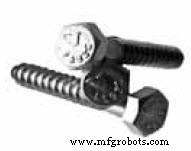
When selecting fasteners for a project, you’ll often encounter hex lag screws. These robust, coarsely‑threaded bolts are engineered specifically for heavy‑duty construction and precision woodworking.
What Sets Hex Lag Screws Apart?
Hex lag screws distinguish themselves with two key features:
- Hexagonal head – Unlike most screws that have recessed heads (flat‑head or Phillips), the hex head allows for direct socket wrench engagement, providing greater torque and faster installation.
- Coarse threading – Fewer threads per inch give the screw a stronger bite in wood, reducing the risk of stripping and improving load capacity.
These design choices make hex lag screws ideal for anchoring beams, framing, and any application that demands a secure, long‑lasting hold.
Installation Made Simple
Because the head is hexagonal, a standard 1/4" or 3/8" socket wrench can be used to drive the screw. The snug fit of the socket prevents slippage and ensures that the maximum torque is transmitted directly to the fastener, resulting in a tighter, more reliable connection.
Why Hex Lag Screws Perform Better
The combination of a large head, a sharp tip, and coarse threads gives hex lag screws a superior grip in wood. The threads bite deep into the material, creating a secure anchor that resists pull‑out forces. In construction, this reliability translates to safer, more durable structures.
Material Options: Strength vs. Corrosion Resistance
Hex lag screws are manufactured from a few common alloys:
- Carbon Steel – Offers exceptional strength and durability, making it the go‑to choice for load‑bearing applications.
- Stainless Steel – While slightly less strong than carbon steel, stainless variants provide superior resistance to rust and corrosion, ideal for outdoor or high‑humidity environments.
Choosing the right material depends on your project’s exposure to moisture and the mechanical loads it will bear.
When to Use Hex Lag Screws
- Framing and structural lumber connections
- Securing hardwood panels and furniture frames
- Outdoor decking and porch construction
- Any application requiring a high‑strength, long‑term fastener
By selecting hex lag screws, you ensure a fast, dependable connection that stands the test of time.
Industrial equipment
- What Are Bi‑Fold Hinges? Features, Benefits, and Applications
- Structural Screws: The Heavy‑Duty Fasteners Every Builder Trusts
- Deck Screws Explained: Types, Benefits, and How They Compare to Wood Screws
- What Are Split Washers? A Deep Dive Into Vibrational Locking Fasteners
- Set Screws Explained: Design, Differences, and Applications
- Spring‑Energized Seals: Design, Function, and Industrial Benefits
- Vulcanized Seals: Definition, Production, and Industrial Advantages
- Pull Handles Explained: Types, Features, and Applications
- Weld‑On Hinges: Installation, Benefits, and Material Choices
- Wood Screws Explained: Types, Features, and Selection Tips