



Exploring the Two Primary Types of Pumps
Pumps are devices used to transfer fluid from one location to another. In most cases, they are used in industrial settings to move liquid or gas. There are two main types of pumps: positive displacement pumps and negative displacement pumps. Positive displacement pumps work by pushing the fluid forward; as the pump moves Forward, the pressure behind the piston increases and this causes the fluid to flow into the pump. Negative displacement pumps work by pulling the fluid backwards; as the pump moves Backwards, the pressure behind the piston decreases and this causes a vacuum to form which causes the fluid to be sucked into the pump.
What are pumps?
Pumps are devices that move fluids or gases through a pipeline. They come in many different shapes and sizes, and can be used for a variety of purposes.
One type of pump is the centrifugal pump. This pump uses spinning disks to move fluid or gas. It is often used to move liquids and gases through pipelines, because it is very efficient at moving these substances.
Another type of pump is the impeller pump. This pump uses blades to spin around a central hub. The blades create a vortex that moves the fluid or gas through the pipeline. This type of pump is often used to move water, oil, and gas through pipelines.
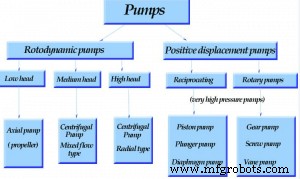
What are the 2 types of pumps
What are their different types?
There are a variety of different types of pumps, each with its own unique features and benefits. Here are the three main types of pumps:
1. Pneumatic: Pneumatic pumps are the most common type of pump. They use air pressure to move fluid through the system. This is good for applications that need high pressure, such as water pumping.
2. Hydraulic: hydraulic pumps use hydraulic pressure to move fluid through the system. This is good for applications that need lower pressure, such as oil and gas pumping.
3. Electrical: electrical pumps use electricity to move fluid through the system. This is good for applications that don’t need high or low pressure, such as vending machines and beverage dispensers.
Positive Displacement Pumps
Positive displacement pumps are used to transfer fluid or gas from one location to another. They can be divided into two main types: impulse and rotary.
Impulse pumps work by using an impulse to create a flow of liquid or gas. This type of pump is often used in industrial applications where high volumes of fluid are needed quickly. Rotary pumps use a rotary motion to create a flow of liquid or gas. This type of pump is often used in residential applications where a high degree of accuracy is needed.
Both impulse and rotary pumps can be classified based on their discharge pattern. Discharge pattern refers to the way the liquid or gas is released from the pump. Pumps with a radial discharge pattern release the fluid in a circular pattern. Pumps with a tangential discharge pattern release the fluid in a line across the outlet.
Interchangeable Dialysis Pumps
There are several types of pumps that are used in dialysis. The three most common types of pumps are the manual pump, the automatic pump, and the automated pump.
Manual pumps are the oldest type of pump and are the most common type of pump used in dialysis. They are operated by a dialysis patient himself or herself. Manual pumps can be difficult to operate and require a lot of strength and dexterity to use.
Automatic pumps are the second most common type of pump used in dialysis. They are operated by a machine and require very little skill from the patient. Automatic pumps allow patients to spend less time on dialysis treatments and more time doing other activities.
Automated pumps are the newest type of pump and are becoming more popular as they become easier to use. Automated pumps are operated by a machine and do not require any human interaction. This makes them easier to operate and faster than manual pumps.
Syringe pumps
There are several types of pumps used in medical settings. The most common type of pump is the syringe pump. This pump is used to inject medications into a patient’s body. It works by using a plunger to push the medication through a needle into the patient’s bloodstream.
Other types of pumps used in medical settings include the heart rate monitor and the ventilator pump. The heart rate monitor is used to measure how fast the heart is beating, and it is often used to treat patients with heart conditions. The ventilator pump is used to help patients breathe, and it is often used in hospitals to help patients who are unconscious or in coma.
Catheter pumps
There are two main types of pumps used for medical purposes: catheter pumps and heart pumps.
Catheter pumps are used to remove liquid or gas from the body through a tube connected to a catheter. This type of pump is often used to clear blockages in the arteries or to remove fluid from the brain.
Heart pumps are used to force blood through the coronary artery and into the rest of the body. They are also used to treat heart failure.
Pros and Cons of a Pump
When it comes to getting the job done, a pump is always a reliable choice. Pumps come in different types, each with its own advantages and disadvantages. Here are the four main types of pumps:
1. Piston Pump: The piston pump is the most common type of pump. It uses a piston to move the fluid through the pipeline. This type of pump is easy to operate and can be operated by hand or using an electric motor.
2. Vane Pump: A vane pump works much like a piston pump, but instead of a piston, there is a fan that moves the fluid through the pipeline. This type of pump is less prone to clogging than a piston pump and is also easier to start.
3. Diaphragm Pump: A diaphragm pump uses pressure from the surrounding atmosphere to move the fluid through the pipeline. This type of pump is rarer than other types and can require more power to start up than other pumps.
4. Axial Flow Pump: An axial flow pump uses rotating disks to move the fluid through the pipeline. This type of pump is usually more efficient than other pumps and requires less power to start up.
How are they made?
Pumps are made in a variety of ways, but the most common type is a piston pump.
Piston pumps are made by inserting a piston into a cylinder. The piston is connected to a shaft, which drives the pump. As the piston moves up and down, it pushes water or oil through the pump.
Other types of pumps include turbine pumps and centrifugal pumps. turbine pumps use air to move the fluid, while centrifugal pumps use spinning blades to move the fluid.
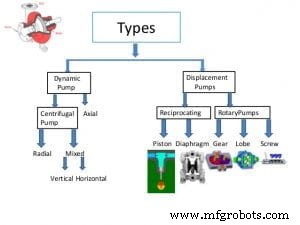
What are the 2 types of pumps
Tips for maximizing performance with a pump 1
There are many types of pumps on the market, but which one is right for you?
There are three main types of pumps: inflatable, electric, and chemical.
Inflatable pumps are the most popular type of pump because they are easy to use and do not require any special skills or training. They are also the least expensive option.
Electric pumps are more expensive than inflatable pumps, but they offer greater performance due to their more powerful motors. They are also easier to use than chemical pumps, but they may be less comfortable because they can be loud and require a lot of effort to operate.
If you plan to use your pump only occasionally, an inflatable pump is the best option for you. If you plan to use your pump frequently, an electric pump is your best bet. If you need a pump that can handle both occasional and frequent use, a chemical pump is the best option.
Conclusion
There are two types of pumps: continuous and pulsatile. Continuous pumps are usually found in larger, more expensive machines, while pulsatile pumps are typically used for smaller areas such as the face or hands.
What are the 2 types of pumps, please clickhttps://topkitparts.com/ to learn more
Industrial equipment
- The Ultimate Guide to Nail Types: Understanding Every Variety
- The Four Core Types of Steel Explained
- Types of Actuators: How to Pick the Right One for Your Industrial Machinery
- Exploring the 7 Core Types of Technology
- Understanding DC Submersible Pumps: Features, Applications, and Benefits
- Domestic Water Pumps: Types and How They Work
- Top 3 Pump Designs: Rotary, Piston, and Screw Explained
- Hydraulic Pump Classifications: Positive vs Negative Displacement Explained
- Exploring the Key Types of Hydraulic Pumps for Industrial Efficiency
- The Two Main Types of Hydraulic Pumps Explained