



BHP: Global Mining and Energy Leader – Products & Services Overview
In the oil and gas industry, BHP is a large company that produces a wide range of products and services. This article will provide an overview of what BHP is, what it does, and some of its key products.
BHP is a multinational company with operations in more than 60 countries. The company produces a wide range of products and services, including iron ore, coal, oil and gas. BHP is particularly well-known for its mining and energy businesses.
Some of the key products produced by BHP include iron ore, coal, oil and gas. The company also produces power generation facilities, including coal-fired power plants and oil refineries. In addition, BHP produces agricultural products, such as wheat and cotton.
Contact Pump South to learn more about BHP and how it can help your pumps operate more efficiently and produce fewer emissions.
What is BHP?
BHP is a symbol that stands for British Horsepower. It is a measure of the power of engines and machinery.
BHP is also the name of a company that produces and sells engines, mining equipment, and other products.
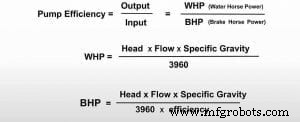
What is BHP in pumps
The Basics of BHP in Pumps
BHP stands for British Horsepower, and it is the standard measure of engine power. It is based on the number of revolutions per minute that a piston in an engine can make. BHP is used to compare engines and is also a key factor in determining the size of a pump.
A pump’s BHP rating is based on the number of gallons of water it can move per minute. For example, a pump with a BHP rating of 2,000 can move 2,000 gallons of water per minute.
Pumps with a higher BHP rating can move more water faster, which is important in areas with high water demand, such as golf courses and factories.
There are a few other factors to consider when selecting a pump, such as the type of fluid that it will be used to move (water, oil, gas, etc.), its size and weight, and its warranty.
How does BHP in pumps work?
BHP (British Hydro-Pumps) is a British company that manufactures pumps. BHP in pumps is a type of pump that uses oil to move water and other fluids. This type of pump is often used to move oil and gas. The main advantage of using an oil-powered pump is that it is quieter than other types of pumps.
Oil is pumped into the pump. This oil is used to move the water and other fluids. The oil also helps to lubricate the pump. The water and other fluid are then expelled from the pump.
The main disadvantage of using an oil-powered pump is that it can be difficult to replace the oil.
Who Should Do BHP in Pumps?
The benefits of using BHP in pumps are clear: high efficiency and reduced emissions. But who should do BHP in pumps?
The answer is anyone who can benefit from its high efficiency and reduced emissions. BHP is a great choice for pump manufacturers, as it helps them achieve lower operating costs and increased production. Additionally, BHP can be used in a variety of applications, such as agriculture, water treatment, oil and gas production, and more. So whether you’re a small business looking to save money on your energy bills or an industrial player looking to improve your production efficiency, BHP is a great option for pumps.
Contact Pump South to learn more about BHP and how it can help your pumps operate more efficiently and produce fewer emissions.
Is BHP in pumps safe?
BHP is a common additive in pumps, but is it safe? Recent studies have shown that BHP can cause cancer in humans and animals. If you are using a pump with BHP, be sure to read the product label carefully to make sure that the level of BHP is safe for your specific use.
If you are concerned about the safety of BHP, you can avoid using pumps with this additive by using water or other natural solutions instead.
If you have any questions about the safety of BHP, please contact your healthcare provider.
References:
1. “BHP and Cancer: What We Know So Far.” Environmental Health News, March 21, 2017. Accessed March 21, 2017.
2. “BHP Causes Cancer in Animals.” Environmental Science & Technology, November 1, 2015. Accessed March 21, 2017.
What can go wrong with a BHP
There are a few things that can go wrong with a BHP, which can lead to pump failure. For example, if the impeller or drive shaft becomes damaged, this can cause the pump to stop working. Other problems that can occur with BHPs include clogged filters and broken drives. If you notice any of these signs of trouble, it’s important to take action and have your pump repaired as soon as possible.
If you notice any of these signs of trouble, it’s important to take action and have your pump repaired as soon as possible.
Pump failure can also be caused by improper maintenance, which can include not replacing worn parts or neglecting to clean the pump regularly. In addition, if the water supply is contaminated, the pump can become damaged as a result. Finally, if the pump is situated in an area that experiences high levels of humidity or heat, it can also fail.
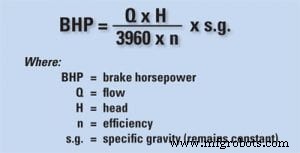
What is BHP in pumps
What are the benefits of BHP in pumps?
BHP stands for Bio-hydrogen Pump Technology. Bio-hydrogen is a type of fuel that can be created from organic matter. It is said to have a number of benefits, including being environmentally friendly, reliable, and efficient. BHP in pumps can help to reduce emissions and improve fuel efficiency. They are also said to be more economical than traditional pumps.
Some other benefits of BHP in pumps include:
They are quiet and reliable.
They are easy to operate.
They can be used in a variety of applications, including water and gas pipelines.
Conclusion
If you are unfamiliar with BHP, it is a type of mineral oil used in various industrial applications. Mineral oils are known for their high resistance to oxidation and low volatility, which makes them ideal for use in pumps and other systems where stability is critical.
If you’re in the market for a pump that uses mineral oil, BHP is a good option to consider. It is reliable and efficient, and it can be used in a variety of applications.
What is BHP in pumps, please clickhttps://topkitparts.com/ to learn more
Industrial equipment
- Pump Primer: Comprehensive Overview of Pump Types & Their Applications
- Understanding Pumps: Fundamentals and Applications
- Understanding Hand Pumps: How They Work and Their Uses
- Domestic Pumps Explained: Types, Mechanics, and Placement
- Understanding DC Submersible Pumps: Features, Applications, and Benefits
- Understanding Immersible Pumps: Features, Benefits, and Applications
- Understanding Coolant Pumps: How They Keep Engines and Systems Cool
- Exploring the Two Primary Types of Pumps
- BHP: Global Mining and Energy Leader – Products & Services Overview
- Decoding 'N' in Pump Calculations: Its Role and Significance