



Top 3 Pump Designs: Rotary, Piston, and Screw Explained
When it comes to pumps, there are a variety of different designs that can be used depending on the specific application. In this article, we will take a look at three of the most commonly used pump designs and explain what each one does.
What is a pump?
A pump is a machine that uses pressure and flow to move fluid particles or gas through a system. There are three common types of pumps: rotary, piston, and screw.
Rotary pumps use a spinning rotor to create a rotating force that pushes the fluid through the pump. This type of pump is most common in homes and small businesses because they are relatively small and easy to operate.
Piston pumps use a piston to move the fluid through the pump. These pumps are larger and more expensive than rotary pumps, but they are more efficient and can move larger quantities of fluid faster.
Screw pumps use a screw mechanism to create a flow of fluid. This type of pump is most commonly used in commercial settings because they are more efficient and can handle higher volumes of fluid.
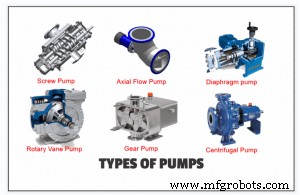
What are the three most commonly used pump designs
Types of Pumps
The three most common pump designs are the centrifugal, positive displacement, and diaphragm pumps.
Centrifugal pumps: These pumps use a spinning impeller to move liquid or gas. They are the simplest and most common type of pump.
Positive displacement pumps: These pumps use a piston and plunger system to move liquid or gas. This design is more efficient than the centrifugal pump, but it is also more expensive.
Diaphragm pumps: These pumps use a series of diaphragms to create a vacuum. This design is more efficient than the positive displacement pump, but it is also more expensive.
The three most commonly used pump designs:
1. Positive displacement pump
2. Rotary vane pump
3. reciprocating piston pump
What each design is used fo
The three most commonly used pump designs are the diaphragm pump, the positive displacement pump, and the rotary vane pump. The diaphragm pump is typically used in small applications because it is relatively simple and efficient. The positive displacement pump is more versatile, but also more expensive than the other two types of pumps. The rotary vane pump is the most expensive, but also has the widest range of applications.
Each of these pump designs has its own advantages and disadvantages. The diaphragm pump is the simplest and most efficient, but it is not as versatile as the other two types of pumps. The positive displacement pump is more versatile, but it also requires more work to set up and operate than the other two types of pumps. The rotary vane pump is the most expensive, but it has the widest range of applications.
Pros of each style and their applications
There are three common pump designs used in medical applications: the syringe pump, plunger pump, and peristaltic pump.
The syringe pump is the simplest of the three and is most commonly used for dispensing medications by paramedics or hospital staff. The plunger pump is similar to the syringe pump but has a larger barrel that can be squeezed more forcefully to dispense medication. The peristaltic pump is the most complex of the three and was originally designed to treat infants with reflux disease. It uses oscillating waves to move fluid through a tube in a controlled manner.
Each of the three pump designs has its own advantages and disadvantages. The syringe pump is the simplest and most commonly used, but it is not as powerful as the plunger pump and can be more difficult to use. The peristaltic pump is the most powerful and versatile, but it can be more difficult to learn how to use.
Types of application for each pump design
The three most commonly used pump designs are the centrifugal pump, the axial flow pump, and the piston pump.
centrifugal pumps are used most often for applications that require high throughput rates, such as in processing or manufacturing industries. They are also often used in water treatment plants and agricultural irrigation systems. Axial flow pumps are used for applications that require low pressure or low flow rates, such as for pumping air or water through small tubes. Piston pumps are typically used for applications that require high pressure and/or high flow rates, such as in pumping water from deep wells.
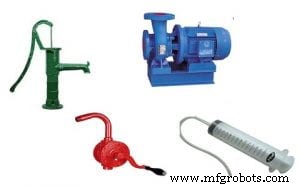
What are the three most commonly used pump designs
How to choose the right pump for you?
There are three common pump designs: positive displacement, diaphragm, and hydraulic. Here’s a brief overview of each:
Positive displacement pumps use a plunger to move the fluid up and down. This type of pump is the most common, and is used in toilets, sinks, and vacuum cleaners.
Diaphragm pumps use a thin dome-shaped membrane to move the fluid. These pumps are often used in gas stations because they’re fast and efficient.
Hydraulic pumps use pressurized liquid to push the fluid. These pumps are used in vehicles, irrigation systems, and factories.
Conclusion
If you’re looking to buy a pump, there are three main types that you’ll see on the market: hand pumps, electric pumps, and semi-permanent pumps. Here’s a little bit about each one so that you can make an informed decision when choosing which one is best for you.
Hand Pump: A hand pump is the most traditional type of pump and works by using your own muscles to compress the air canal and inflate your balloon. They are great for temporary use or if you only need a small amount of pressure, but they can be difficult to use if you have large hands or if your hands are cold.
Electric Pump: An electric pump is usually smaller than a hand pump and easier to handle. They work by using an electrical current to create pressure inside the balloon, which means they can inflate much faster than a hand pump and are more accurate in terms of delivering pressure. However, they do require batteries (which may run out after
What are the three most commonly used pump designs, please clickhttps://topkitparts.com/ to learn more
Industrial equipment
- Top Industrial Machining Processes Every Manufacturer Should Know
- Understanding DC Submersible Pumps: Features, Applications, and Benefits
- Exploring the Two Primary Types of Pumps
- Hydraulic Pump Classifications: Positive vs Negative Displacement Explained
- Choosing the Most Efficient Hydraulic Pump: Expert Guide
- Discover the Reliability of Vickers VQA1 Vane Pumps – Trusted Solutions for Fluid Transfer
- Exploring the Key Types of Hydraulic Pumps for Industrial Efficiency
- The Two Main Types of Hydraulic Pumps Explained
- Identifying the Most Powerful Hydraulic Pump for Industrial Applications
- Choosing the Most Efficient Pump Design for Water Treatment