



Choosing the Most Efficient Hydraulic Pump: Expert Guide
Hydraulic pumps are an essential piece of equipment for a variety of industrial and agricultural applications. It’s important to choose the right pump for the job, and that’s where hydraulic testing comes in. By testing a pump in various conditions, you can determine its most efficient operating range. This article will give you the details on how to do hydraulic testing, as well as some tips on choosing the right pump for your application.
What is a hydraulic pump?
A hydraulic pump is a machine that uses the power of hydraulics to move objects. It works by using a cylinder with a piston and a series of gears to move the object. The most efficient hydraulic pump is the electric motor-driven pump, which is able to move objects more quickly and with less energy than other types of pumps.
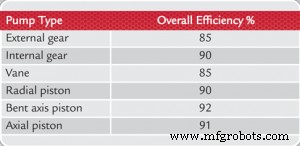
What is the most efficient hydraulic pump
How does it work?
A hydraulic pump is a machine that uses the principles of fluid mechanics to move fluid. In many cases, a hydraulic pump is used to power tools or machines. The most efficient hydraulic pump will use the least amount of energy to move a given volume of fluid.
What are the different types of hydraulic pumps?
Hydraulic pumps are one of the most common types of machinery found in industrial settings. There are a variety of different types of hydraulic pumps that can be used for a variety of purposes. Here is a look at some of the more common types of hydraulic pumps.
The single stage pump is the most common type of pump used in industry. It is a single-stage pump that uses one moving part to create pressure. The double stage pump is similar to the single stage pump, but it has two moving parts. This type of pump is often used to create higher pressures. The triple stage pump is similar to the double stage pump, but it has three moving parts. This type of pump is often used to create even higher pressures.
Factors Affecting Efficiency of a Hydraulic Pump
There are many factors that can affect the efficiency of a hydraulic pump. Some of these factors include the type of fluid being pumped, the size and shape of the object being transported, and the design of the pump. Here are some more specific factors to consider:
• Type of Fluid: Hydraulic pumps are most efficient when pumping fluids with low viscosity (thickness). This is because a high viscosity will cause the pump to work harder to move the fluid, resulting in increased wear and tear on the motor and bearings.
• Size and Shape of Object Being Transported: Hydraulic pumps are less efficient when transporting large, irregular objects or when the object is too thick for the pump to penetrate. Instead, it is often best to use a chain or rope system to transport these objects.
• Design of Pump: A well-designed hydraulic pump will be able to handle a greater range of speeds and pressures than a poorly designed one. This means that it will be more efficient overall.
Why is it important to choose an efficient hydraulic pump?
A hydraulic pump is one of the most important components of a hydraulic system. It converts the power of a hydraulic motor into movement of a fluid. The most efficient hydraulic pump will use the least amount of energy to move the fluid, resulting in lower operating costs and longer pump life. There are many factors to consider when choosing an efficient hydraulic pump, including: performance requirements, size and weight, operating temperature range, and noise level.
What does the most efficient hydraulic pump do?
The most efficient hydraulic pump is designed to move a large amount of fluid quickly and efficiently. This is important because it allows machines to function at their best.
How can a hydraulic pump be efficient?
There are many different ways to make a hydraulic pump efficient. Here are some tips:
-Choose the right type of hydraulic pump. There are three main types of hydraulic pumps: centrifugal, rotary, and vane. Centrifugal pumps are the most common, and they use a spinning disk to move the fluid. They’re the most efficient when it comes to moving a large amount of fluid quickly, but they can be less efficient when it comes to moving smaller amounts of fluid slowly. Rotary pumps use a rotating cylinder to move the fluid, and they’re more efficient when it comes to moving small amounts of fluid quickly. Vane pumps use vanes to move the fluid, and they’re more efficient when it comes to moving large amounts of fluid slowly.
-Choose the right size of hydraulic pump. The size of your hydraulic pump will affect its efficiency. Smaller pumps are generally more efficient than bigger ones, but there’s a trade-off: smaller pumps are usually less powerful.
-Install a water filter on your hydraulic system. A water filter will help reduce the amount of debris that goes into your hydraulic system, which can reduce your pump’s efficiency.
-Install an air
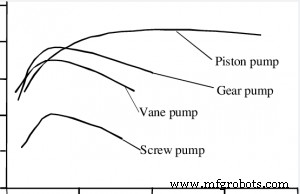
What is the most efficient hydraulic pump
How to Choose the Most Efficient Hydraulic Pump
Choosing the right hydraulic pump for your application is important for many reasons. Not only will a poor pump result in decreased performance and increased wear, but it can also be dangerous if not used properly.
To ensure you make the best decision for your specific needs, it is important to understand the different types of hydraulic pumps and how they work. This article will provide an overview of the most common types of hydraulic pumps and their features. Additionally, we will discuss the factors you should consider when choosing a pump, as well as some tips on how to optimize performance.
Types of Hydraulic Pumps
There are several different types of hydraulic pumps available on the market today, each with its own unique features and benefits. Below is a brief overview of each type:
Piston-Pump: A piston-pump is the simplest type of hydraulic pump and is typically used in smaller applications. They work by moving a piston up and down, which powers the flow of fluid through the pump. Piston-pumps are generally considered to be less efficient than other types of pumps, but they are typically cheaper and easier to operate.
Rotary Vane Pump: A rotary vane pump is similar
Conclusion
When it comes to finding the most efficient hydraulic pump for your specific application, there are a few things you should take into account. First and foremost, you will want to make sure that the pump you choose is compatible with your project; Secondly, you will need to decide on the horsepower required; and finally, you will need to determine the flow rate. By considering all of these factors, you can easily find the perfect pump for your needs.
What is the most efficient hydraulic pump, please clickhttps://topkitparts.com/ to learn more
Industrial equipment
- Understanding Radial Hydraulic Pumps: Design, Applications, and Benefits
- Choosing the Most Efficient Hydraulic Motor for Your Application
- Choosing the Most Efficient Hydraulic Pump: Expert Insights
- Understanding Two-Stage Hydraulic Pumps: Function and Applications
- Identifying the Most Powerful Hydraulic Pump for Industrial Applications
- Understanding the Symbol for a Hydraulic Pump: Key Identifiers and Usage
- Understanding the Cost of Hydraulic Pumps: Key Factors & Price Breakdown
- The Ultimate Guide to Selecting the Best Hydraulic Pump
- Choosing the Most Efficient Pump Design for Water Treatment
- Understanding Hydraulic Gear Pumps: Definition, Principles, and Industrial Applications