



Common Causes of Hydraulic Pump Pressure Loss and How to Fix Them
When you turn on the taps at home, you’re probably familiar with a hydraulic pump. These pumps use pressurized fluid to move things around – like water in your sink. If the pressure in the hydraulic system goes down, the pump can lose power and stop working. Here’s what can cause the pressure to drop and how you can fix it.
There are lots of things that can reduce the pressure in a hydraulic system. The most common reasons are:
-A leak. If there’s a hole in the system, air can enter and reduce the pressure. Leaks can be small – like a pinhole in a hose – or they can be larger, like when you break a pipe.
-Low oil pressure. This means that the oil in the pump has lost its ability to resist friction and move the fluid around. Low oil pressure is usually caused by a clogged filter or a dirty piston.
-Low water pressure. If there’s not enough water flowing through the system, the pressure will drop because there’s not as much resistance (i.e., weight) against the fluid moving around. This can happen if there’s a broken pipe or if the water main is leaking.
-A clogged filter. If particles are blocking the flow of oil or water through the filter, it will cause low pressure. Filters can get clogged for lots of reasons – from dirt to hair to pieces of plastic.
-A bad pump. A bad pump can lose power quickly and cause reduced pressure in
What is a hydraulic pump?
A hydraulic pump is a machine that uses pressurized fluid to move objects. Hydraulic pumps are used in a variety of industries, including mining, construction, and agriculture. A hydraulic pump can lose pressure if the fluid pressure inside the pump is greater than the atmospheric pressure outside the pump.
A hydraulic pump can also overheat if the fluid pressure inside the pump is greater than the maximum allowable pressure. Overheating can cause the pump to malfunction, and might even cause the machine to catch on fire.
To prevent these kinds of problems, hydraulic pumps are often fitted with pressure relief valves. These valves allow the pump to release pressure if the fluid pressure inside the pump becomes too high.
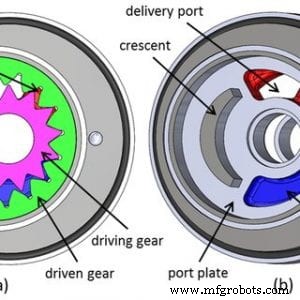
What causes a hydraulic pump to lose pressure
A hydraulic pump is designed to propel a fluid at high pressure.
If the pressure in the hydraulic system falls below a certain point, the pump can no longer generate enough force to move fluid. This can cause the machine to stop working altogether or make it difficult to operate.
The most common cause of a hydraulic pump losing pressure is a leaky seal. If the seal between the pump casing and impeller becomes damaged, air can enter and cause the pressure to drop. Other causes of low pressure include worn parts or a malfunctioning relief valve.
To troubleshoot a hydraulic pump that is losing pressure, first determine the source of the leak. If the leak is located near the pump casing, a sealant can be applied to fix the issue. If the leak is located near the impeller, repairs may require replacing the entire pump. In either case, diagnostics should be performed to verify that the pump is operating correctly and that there are no further leaks.
If the fluid pressure in the hydraulic pump decreases, the pump will stop working.
The most common cause of a hydraulic pump losing pressure is a leak in the hydraulic system. A leak may be caused by a broken seal, a worn component, or a missing part.
If the pump is not running due to a leak, you can try priming the pump by pumping fluid into it until the piston reaches the top of its stroke. If this fails to restart the pump, you may need to replace the hydraulic system.
If the pump runs but is not producing enough pressure, you may have a worn or damaged pump cylinder. In this case, you will need to replace the entire pump.
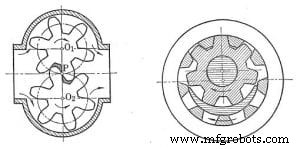
What causes a hydraulic pump to lose pressure
There are several factors that can cause the fluid pressure in a hydraulic pump to decrease, including:
-A loss in fluid flow or pressure from the pump
-A blockage in the hydraulic system
-A worn out pump
-A loss of fluid from the system
-A blockage in the line
-An obstruction in the system
-Damaged components in the pump
-Leakage from the pump
-Pump failure
-Fluid leaks
A hydraulic pump can lose pressure when one or more of the seals in the pump ruptures. Fluid leaks can also occur from cracks in the housing or from a damaged impeller.
When a hydraulic pump leaks fluid, the fluid can damage other equipment in the vicinity and create a hazardous environment. A hydraulic leak can also cause loss of productivity, as employees are unable to work because of the leakage.
There are many factors that can contribute to pump pressure loss, but the most common are wear and tear, contamination, and incorrect installation.
If your hydraulic pump is experiencing pressure loss, it’s important to inspect the installation and make any necessary repairs. Wear and tear can be caused by incorrect installation, misuse, or environmental factors. Contamination can come from dirt, oil, or other fluids that have gotten caught in the pump’s internals. Finally, improper maintenance can also lead to pump pressure loss. Check your pump’s fluid levels and watch for signs of wear or damage. If you notice any issues, take action to fix them as soon as possible.
If you’re experiencing pressure loss on your hydraulic system, it’s important to inspect the installation and make any necessary repairs.
If you’re experiencing pressure loss on your hydraulic system, it’s important to inspect the installation and make any necessary repairs. Wear and tear can be caused by incorrect installation, misuse, or environmental factors. Contamination can come from dirt, oil, or other fluids that have gotten caught in the pump’s internals. Finally, improper maintenance can also lead to pump pressure loss. Check your pump’s fluid levels and watch for signs of wear or damage. If you notice any issues, take action to fix them as soon as possible.
Conclusion
In this article, we will explore the causes of a hydraulic pump losing pressure. We will take a look at what can cause the pressure in a hydraulic pump to drop and how you can address the issue. By understanding what can cause a loss of pressure in your hydraulic system, you will be able to prevent any potential issues from arising and keep your equipment running smoothly.
A hydraulic pump is a machine that uses pressurized fluid to move objects. When the pressure in the hydraulic system falls below a certain point, the pump can lose power and stop working.common causes of a hydraulic pump losing pressure are a leaky seal or worn parts. If the pump is not running due to a leak, you can try priming the pump by pumping fluid into it until the piston reaches the top of its stroke. In cases where repairs are required, diagnostics should be performed to ensure that the pump is operating correctly.
What causes a hydraulic pump to lose pressure, please clickhttps://topkitparts.com/ to learn more
Industrial equipment
- Understanding Discharge Pressure: Key to Pump Performance
- Common Causes of Pressure Loss in Hydraulic Pumps and Quick Fixes
- Understanding Radial Hydraulic Pumps: Design, Applications, and Benefits
- Understanding Two-Stage Hydraulic Pumps: Function and Applications
- Why Does a Hydraulic Pump Lose Pressure? Common Causes & Solutions
- Common Causes of Pressure Loss in Hydraulic Pumps
- Understanding Hydraulic Pump Cavitation: Causes and Prevention
- Why Your Pump Fails to Build Pressure: Causes and Fixes
- Understanding Why Pumps Lose Flow & How to Prevent It
- Understanding Hydraulic Pump Whine: Causes & Solutions