



Why Does a Hydraulic Pump Lose Pressure? Common Causes & Solutions
hydraulic pumpp is a device that transfers pressure from one fluid to another. When the hydraulic pumpp loses pressure, it will not be able to transfer the pressure from the high-pressure fluid to the low-pressure fluid. This can lead to problems such as rupture of pipes and accidents.
What is a hydraulic pump?
A hydraulic pump is a machine that uses pressure to move things. The most common use for a hydraulic pump is to move fluids, like oil and water.
A hydraulic pump works by using the pressure of the fluid moving it to produce power. The pressure is generated when the fluid moves through the pump. This power is used to move the object or objects.
There are many different types of pumps, each with its own specific use. Some common types of pumps are:
-Piston Pump: This type of pump uses pistons to create the pressure. They are used in applications where low pressures are needed, like in water pumps.
-Vacuum Pump: This type of pump uses air pressure to create power. They are used in applications where higher pressures are needed, like in car engines.
How a hydraulic pump works
A hydraulic pump is an important part of any hydraulic system. It extracts energy from a pressurized fluid, and uses it to power various devices. When the pump loses pressure, it can lead to serious problems. Here’s what can happen:
If the pressure in the hydraulic system falls below a certain level, the pump will stop working. This could be due to a number of reasons, including a leak in the system or a damaged component. If this happens, the devices that rely on the pump’s power will be unable to operate. This can create major problems, especially if they’re used in critical applications. In extreme cases, a failed pump could cause a complete failure of the entire hydraulic system.
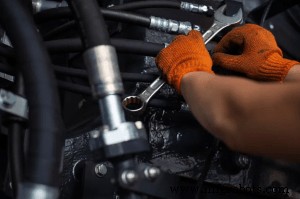
What causes a hydraulic pumpp to lose pressure
What are the signs that a hydraulic pump is losing pressure?
There are a few signs that may indicate that a hydraulic pump is losing pressure. Firstly, if the fluid is not being pumped at a consistent rate, then this may be an indication that the pressure within the system is gradually decreasing. Additionally, if the pressure within the system falls below a certain threshold, then it may be necessary to replace the pump in order to maintain optimal function.
In some cases, a decrease in pressure may also be the result of a clogged or worn pump. If the pressure within the system continues to decline, then it may be necessary to take action in order to clean or replace the pump as soon as possible.
Factors that can cause loss of pressure in a hydraulic pump
There are a number of factors that can cause a hydraulic pump to lose pressure, including blockage of the fluid flow, worn or damaged components, and improper installation. If loss of pressure is detected, the pump should be checked and repaired as necessary.
Blockage of the fluid flow: One common cause of loss of pressure in a hydraulic pump is blockage of the fluid flow. This can occur due to debris or sediment accumulation in the pump’s filter orifices, or because of a blockage in the fluid line itself.
Worn or damaged components: Worn or damaged components can also lead to loss of pressure in a hydraulic pump. This includes worn or damaged seals and gaskets, frayed wire cables, and broken or cracked pipes.
Incorrect installation: Poorly installed pumps can also lead to loss of pressure. This includes pumps that are not properly secured to the ground or foundation, as well as pumps that are installed in an insecure location.
The four main causes of a hydraulic pumper losing pressure
The most common cause of a hydraulic pumper losing pressure is a leaky pipe. A breach in the pipe can allow air or water to enter, which will cause the pump to lose pressure. Other causes of a hydraulic pumper losing pressure include low oil levels, worn parts, and a clogged filter. If you notice that your hydraulic pumper is losing pressure, it is important to take action and address the issue as soon as possible.
How to check if your hydraulic pumper is losing pressure
To check if your hydraulic pumper is losing pressure, you will need to determine the location of the leak. If the leak is located near the pump, it may be difficult to detect. To locate the leak, you can use a hydrostatic test kit. Alternatively, you can use a pressure gauge to measure the pressure in the system. If the pressure is below normal, then there is a leak and you should take action to address it.
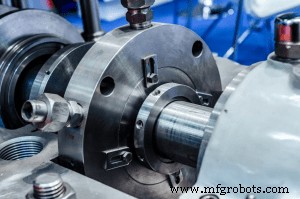
What causes a hydraulic pumpp to lose pressure
How to fix a hydraulic pumpp that has lost pressure
If your hydraulic pumpp has lost pressure, there are a few things you can do to fix it. First, check the hoses and connections to make sure they’re not kinked or blocked. If the hoses and connections are OK, then you may need to replace the pumpp itself. If the pumpp is still losing pressure, you may have a problem with the pump itself. In this case, you’ll need to take it to a mechanic for diagnosis.
If you’re not sure how to fix a hydraulic pumpp that has lost pressure, you can contact a mechanic.
Solutions to a pressurised hydraulic pump
A hydraulic pumpp (or similar pump) may lose pressure because of one or more of the following:
– A build-up of fluid in the pump due to inadequate lubrication or a clogged filter.
– Mechanical failure, caused by a worn or defective component.
– A blockage in the system.
Conclusion
A hydraulic pumpp loses pressure due to a number of factors, the most common of which is wear and tear. Over time, the seals that protect the parts inside the pump from contamination and external contaminants like oil will eventually fail. This will allow air to enter the system and cause it to lose pressure. Other causes of a hydraulic pumpp losing pressure include damaged components, incorrect operating procedures, or simply age. In order to prevent this from happening, it is important to regularly inspect your pumpp and make any necessary repairs or adjustments as needed.
What causes a hydraulic pumpp to lose pressure, please clickhttps://topkitparts.com/ to learn more
Industrial equipment
- Understanding Discharge Pressure: Key to Pump Performance
- Common Causes of Pressure Loss in Hydraulic Pumps and Quick Fixes
- Understanding Radial Hydraulic Pumps: Design, Applications, and Benefits
- Common Causes of Hydraulic Pump Pressure Loss and How to Fix Them
- Understanding Two-Stage Hydraulic Pumps: Function and Applications
- Common Causes of Pressure Loss in Hydraulic Pumps
- Understanding Hydraulic Pump Cavitation: Causes and Prevention
- Why Your Pump Fails to Build Pressure: Causes and Fixes
- Understanding Why Pumps Lose Flow & How to Prevent It
- Understanding Hydraulic Pump Whine: Causes & Solutions