



Identifying Air in Your Hydraulic System: Signs, Detection, and Remedies
If you’re like most business owners, your hydraulic system is one of your most important assets. But how do you know if there’s air in it? In this article, we’ll explain the different types of air leaks and how to detect and fix them.
What is a Hydraulic System
If you are experiencing issues with your hydraulic system, it is important to inspect it for signs of air. Air can cause problems with the operation of your hydraulic system, and may even lead to an accident. Here are some tips for detecting air in a hydraulic system:
1. Inspect the hoses for signs of kinking or crimping. Hoses that are kinked or crimped may be indicating that air is present.
2. Inspect the valves and fittings for cracks or obvious wear. If there are noticeable cracks in the valve or fitting, this may indicate that air is present.
3. Check the levels of oil in the hydraulic system by using a dipstick or a pressure gauge. Low levels of oil may be an indication that air is present in the system.
4. Test the system by activating the valves and watching for any warning signs (such as fluid spraying). If there are any warning signs, it may be necessary to replace parts of the hydraulic system to fix the issue.
What is an Air Detector?
An air detector is a device used to detect air leaks. When air enters or exits an object, it leaves a telltale sign called air pressure. Air detectors use this pressure difference to identify when there is a leak.
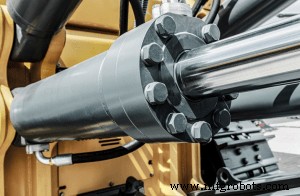
How do you know if you have air in your hydraulic system
How to Use an Air Detector
If you’re having trouble with your hydraulic system, it may be time to check for air. You can use an air detector to find out if there is any air in your system. An air detector can be a cheap and easy way to troubleshoot your hydraulic system.
Detecting Air in a Reliever Line
If you have a hydraulic system, it’s important to keep an eye out for air. If you detect air in your system, take action to remedy the situation. Air can cause your system to fail, so it’s important to address it as soon as possible. Here are five ways to check for air in your hydraulic system:
1. Check the pressure gauge. If the pressure is low, there may be air in the system. Add more fluid until the gauge reads the correct pressure.
2. Inspect the hoses and connectors. If there is air in the system, it will likely be inside the hoses and connectors. Use a vacuum cleaner to remove any air bubbles.
3. Check the cylinder seals. If there is air in the system, it will likely be trapped inside of the cylinder seals. To test this theory, use a small needle to pierce one of the seals and see if liquid comes out. If so, there may be air inside of the seal.
4. Check for leaks by injecting water into different parts of the system and watching for leaks or bubbles on the surface of the fluid (indicating gas has entered).
5. Test drive the machine and watch for signs of problems
What Happens if You Still Have Air in Your System?
If you have an air bubble in your hydraulic system, you will not be able to move the crane or the load. The bubble will increase the pressure inside the system and could eventually cause a rupture in the system. You will need to get the bubble out of the system and fix any damage that has been done.
If the bubble is in the line between the pump and the crane, you can try to blow it out with a compressed air can. If that doesn’t work, you will need to get a diver to remove the bubble.
What to do If an Air Detector Warning Sound is Heard
If you hear an air detector warning sound, the first thing you should do is confirm that your hydraulic system is working. If it is not, you will need to take corrective action. Confirm that the source of the air is actually the hydraulic system by checking fluid levels, pressure and temperature. If all is normal, then there may be a blockage in the pipeline or hose. If this is the case, remove any obstruction and replace any components that are damaged.
What should I do if I have air in my hydraulic system?
If you are noticing an air leak in your hydraulic system, there are a few things to check first. Make sure that all of the hoses and fittings are tight, and make sure that the reservoir is full. If the leaks are from the reservoir or hoses, you may need to replace them. If the leaks are from the pump or cylinders, you will need to take the system apart and fix the problem.
If you are not sure where the leak is, you can try to find the source by using a hose to spray water into each cylinder and pump. This will help to identify any areas that may be leaking.
How to replace an air brake or replace your hydraulic fluid
If you have an air brake, it needs to be replaced. If you notice your car is pulling to one side when braking, it’s likely that your brake fluid is low and needs to be replaced. Hydraulic fluid needs to be changed every 3-5 years, depending on the type of vehicle.
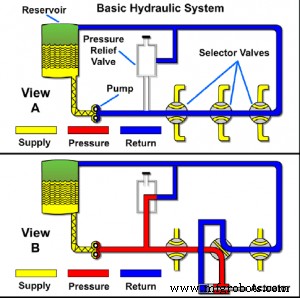
How do you know if you have air in your hydraulic system
How do you know if the can of air is in your hydraulic system?
If your hydraulic system is not working, the first thing you should do is check to see if there is air in the system. If there is not enough air, you can try to add air using a can of compressed air.
Conclusion
If you’re experiencing problems with your hydraulic system, it’s important to diagnose the issue as soon as possible. By understanding where the air is coming from, you can start to take corrective measures and get your machine back up and running as quickly as possible. In this article, we’ll walk you through the five most common causes of hydraulic system failures and how to identify them. Keep reading for tips on how to troubleshoot and fix a hydraulic issue in less than an hour!
How do you know if you have air in your hydraulic system, please clickhttps://topkitparts.com/ to learn more
Industrial equipment
- Key Indicators You Should Upgrade Your Industrial Control System
- Expert Guide to Maintaining Your Air Compressor for Peak Performance
- How Air-Over-Hydraulic Brakes Work: A Clear Guide
- Accurate Sizing of Compressed Air Piping for Optimal Efficiency
- Step-by-Step Guide to Winterizing Your Compressed Air and Gas System
- Spotting Air Leaks in Your Compressed Air System: Save Money & Boost Performance
- When and Why to Bleed Your Hydraulic System
- How to Spot and Repair Bad Hydraulic Fluid in Your Vehicle
- When Is It Time to Repair Your Hydraulic Pump? Key Indicators Explained
- Identifying Early Signs of Hydraulic Pump Failure: A Proactive Maintenance Guide